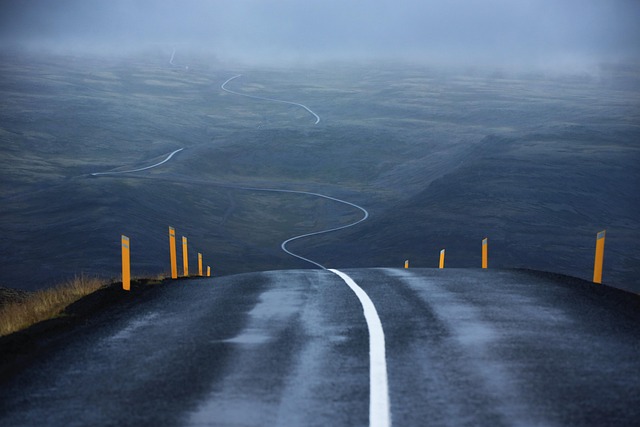
Want to know the biggest mistake I made on my first cross-country motorcycle trip? I planned to ride 800 kilometers per day because that was my personal longest single day trip. By day three, I was so exhausted and sore that I could barely focus on the road, let alone enjoy the incredible scenery I’d traveled thousands of kilometers to see.
Here’s the reality check most new touring riders need: calculating daily mileage for motorcycle trips isn’t just about dividing total distance by available days. It’s about balancing ambition with reality, considering factors like weather, terrain, your bike’s comfort level, and most importantly – actually enjoying the journey instead of just enduring it.
The difference between a memorable motorcycle adventure and a grueling endurance test often comes down to realistic mileage planning. Too ambitious and you’ll be white-knuckling through beautiful landscapes just trying to make your next stop. Too conservative and you might miss incredible destinations or feel like you’re wasting precious vacation time.
After planning dozens of motorcycle trips ranging from weekend getaways to month-long adventures, I’ve developed a systematic approach to plan plan realistic daily distances that maximizes both safety and enjoyment. This complete guide will teach you how to calculate daily mileage for your motorcycle trip that match your riding experience, bike capabilities, and travel goals.
Factors That Affect Your Daily Motorcycle Mileage
The first time I tried to calculate daily mileage, I made the classic rookie mistake of thinking all miles are created equal. Spoiler alert: they’re not! A hundred miles through French farmland on perfect weather day feels completely different than a hundred miles through Austrian mountain passes in a thunderstorm. Learning to factor in all the variables took me several painful lessons.
Personal riding experience and endurance levels make the biggest difference in what constitutes a reasonable daily distance. If you’ve never ridden more than 200 kilometers in a day, don’t plan your first tour with 500-kilometer days! Your body adapts to long-distance riding over time, but you can’t fake fitness.
Motorcycle type and comfort characteristics dramatically impact your daily range. My old sportbike had me hunched over in an aggressive riding position that became torture after 300 kilometers. When I switched to a touring bike with upright seating and a comfortable seat, suddenly 700-kilometer days became manageable. Cruisers, adventure bikes, and touring machines each have different sweet spots for daily distance.
Weather conditions can turn easy miles into challenging ones faster than you can say “unexpected thunderstorm.” I once planned a 450-kilometer day through Germany that turned into an 8-hour ordeal when headwinds hit 60 km/h. Now I check weather forecasts religiously and build extra time for adverse conditions. Hot weather saps your energy faster, cold weather requires more gear stops, and rain slows everything down.
Terrain challenges and elevation changes affect both riding difficulty and time requirements. Flat interstate highway miles eat up quickly, but mountain passes with switchbacks and elevation changes demand more concentration and slower speeds. I estimate mountain miles take about 25% longer than flat highway miles. Construction zones, urban traffic, and winding scenic routes all impact your realistic daily range.
Traffic patterns matter more than most riders realize when calculating daily mileage. Rush hour in major cities can turn a 2-hour ride into a 4-hour nightmare. I try to time my rides to avoid major metro areas during peak traffic times. Weekend traffic patterns differ from weekday patterns, and holiday weekends create their own special kind of traffic hell.
The Science Behind Motorcycle Fatigue and Safe Distances
Understanding motorcycle fatigue isn’t just academic – it’s literally life-saving information. Physical and mental fatigue factors compound differently on motorcycles than in cars. Unlike car drivers who can relax and let their minds wander, motorcycle riders maintain constant vigilance for hazards, balance, and control inputs. Your core muscles work constantly to maintain position, your hands grip the bars, and your legs support your weight. This physical load accumulates over time and distance.
Highway hypnosis hits motorcycle riders differently than car drivers but it’s equally dangerous. The repetitive nature of long highway stretches can lull you into a trance-like state where your reaction times slow dramatically. I combat this by varying my routes when possible, taking frequent breaks, and changing my riding position frequently.
Optimal riding hours per day vary by rider experience and conditions, but i found most riders start seeing significant fatigue after 6-8 hours of actual riding time. Notice I said riding time, not total time – that doesn’t include stops for fuel, food, or rest. For new touring riders, I recommend starting with 4-6 hours of actual saddle time per day.
Break frequency becomes critical for maintaining alertness and preventing fatigue-related accidents. The general rule is stopping every 150 kilometers or 90 minutes, whichever comes first. During breaks, get off the bike, walk around, hydrate, and do some basic stretches. Even 10-minute breaks can significantly refresh your alertness and riding ability.
Signs you’ve planned too many miles include physical symptoms like back pain, hand numbness, or leg cramps, but also mental signs like difficulty concentrating, irritability, or making poor decisions. If you’re checking your GPS every few minutes hoping you’re closer to your destination, you’ve probably planned too ambitious a day.
Step-by-Step Daily Mileage Calculation Method
After years of trial and error (mostly error), I’ve developed a systematic approach to calculating realistic daily mileage that works for different types of riders and trips. This isn’t rocket science, but it does require honest self-assessment and consideration of multiple factors that affect your riding.
Basic formula for beginner motorcycle tourists starts with your longest comfortable day ride and reduces it by 25%. So if you’ve done 300-kilometer day rides comfortably, plan touring days of about 225 kilometers. This accounts for the extra fatigue of consecutive riding days, carrying luggage, and navigating unfamiliar roads. Beginners should prioritize enjoying the journey over covering maximum distance.
Advanced calculations for experienced riders can push higher daily distances but should still factor in cumulative fatigue over multiple days. Experienced riders might handle 600-800 kilometer days occasionally, but not day after day. I use a sliding scale – first few days at normal distance, middle days slightly reduced, and final days significantly reduced as fatigue accumulates.
Adjusting for different trip types requires different approaches. Weekend trips can handle higher daily mileage because you’re not dealing with multi-day fatigue. Week-long trips need conservative daily distances to remain enjoyable. Month-long adventures require rest days built into the schedule. Cross-country trips benefit from varying daily distances based on terrain and must-see stops.
Using technology and apps for accurate planning makes calculations much easier than the old paper map days. Google Maps provides realistic travel times, but add 20-30% for motorcycle-specific factors like fuel stops, short breaks and safety margins. Specialized motorcycle apps like Scenic or Calimoto factor in motorcycle-specific routing preferences.
Creating flexible schedules with buffer time prevents the stress of rigid daily mileage requirements. Build extra time into each day for unexpected delays, interesting discoveries, or just slower than expected progress. I typically plan my “must reach” destination about 50 kilometers short of my maximum comfortable range, giving me options if things don’t go as planned.
Different Mileage Strategies for Various Trip Types
Not all motorcycle trips are created equal, and your mileage planning should reflect the specific goals and constraints of each adventure and trying to use the same approach for both leads to frustration.
Weekend getaway mileage planning can be more aggressive because you’re only dealing with 2-3 days of riding. You can push harder daily distances knowing you’ll have time to recover afterward. For weekend trips, I’m comfortable planning 400-600 kilometer days if road conditions permit. The key is front-loading the harder miles on the first day when you’re fresh.
Week-long vacation touring distances require more conservative planning because cumulative fatigue becomes a real factor. Start with your normal comfortable daily distance, then reduce it by 15-20% for days 3-5 when fatigue peaks. Day 6-7 should be even shorter to account for accumulated tiredness. I typically plan 250-400 kilometer days for week-long tours.
Cross-country adventure daily targets need careful consideration of the marathon nature of the journey. You’re not sprinting, you’re running a marathon. Plan conservative daily distances (200-300 kilometers) for the first week while your body adapts, gradually increasing to your comfortable range, then reducing again for the final push. Build in rest days every 4-5 riding days.
International motorcycle travel considerations add complexity with border crossings, different traffic patterns, and unfamiliar road conditions. European tours can handle higher daily mileage due to excellent road infrastructure, while developing countries require more conservative planning. Factor in extra time for border procedures and different riding cultures.
Group ride mileage coordination requires finding the lowest common denominator among all riders. The group’s daily distance is limited by the least experienced or most conservative rider. Plan shorter daily distances than you would solo, and build in more frequent stops. Group rides prioritize social interaction over maximum mileage coverage.
Road Type and Terrain Impact on Daily Planning
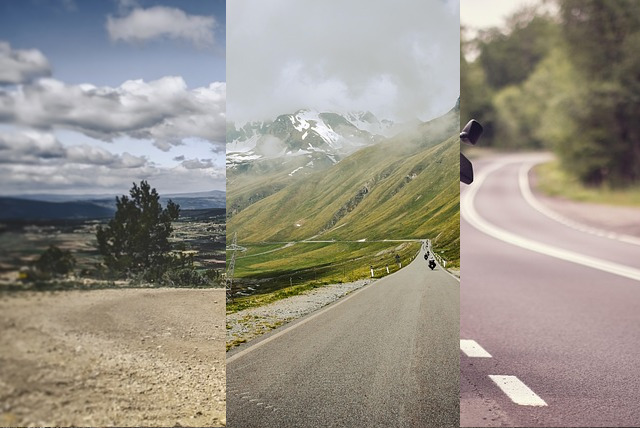
The type of roads you’ll be riding dramatically affects realistic daily mileage, and this is where many trip planners go wrong. A kilometer of highway takes completely different time and energy than a mile of twisty mountain road, yet GPS systems treat them equally. Learning to adjust for road types transformed my trip planning from wishful thinking to realistic scheduling.
Interstate highway versus scenic route timing creates the biggest planning differences. Highway miles consume quickly – I can easily average 120+ km/h on good interstate sections. But scenic back roads with curves, hills, and photo stops might average only 30-50 km/h. The same 300-kilometer distance could take less than 3 hours on highways or over 6 hours on scenic routes.
Mountain pass and elevation change factors slow your progress and increase rider fatigue significantly. Climbing to altitude affects both you and your bike’s performance. Descending requires more concentration and frequent braking. I estimate mountain routes take 25-50% longer than equivalent flat distances, depending on the terrain severity and number of elevation changes..
Unpaved road and adventure riding adjustments require dramatic reductions in expected daily mileage. Dirt roads, gravel surfaces, and technical terrain demand slower speeds and higher concentration. What might be a 500-kilometer highway day becomes a 150-kilometer adventure day. Factor in extra time for mechanical issues and higher fatigue levels from rough surfaces.
Weather-related route modification strategies become essential when conditions deteriorate. Rain can cut your safe speeds by 30-40%, while strong winds can be exhausting to fight all day. I always have backup route options that avoid exposed areas during high wind advisories or alternate routes that stick to major highways during storms.
Creating Realistic Daily Schedules and Itineraries
Building a realistic daily schedule goes far beyond just calculating riding time from point A to point B. The best motorcycle trips balance riding time with stops, sightseeing, meals, and rest. I learned this on my first week-long trip when I realized after the first few days I havn’t seen anything except asphalt and gas stations.
Start time optimization makes a huge difference in your daily experience and mileage potential. Early starts let you cover more ground before afternoon heat or thunderstorms develop. But starting too early can be dangerous if you’re not fully alert. I’ve found 7 o’clock to be my sweet spot – early enough to beat traffic and weather, late enough to be fully awake.
Meal break and fuel stop integration should be planned into your daily schedule, not treated as afterthoughts. Modern motorcycles typically get 300-400 kilometers per tank, so plan fuel stops accordingly. Combine fuel stops with meal breaks when possible to minimize total stop time. I typically plan three substantial stops per day – morning fuel/coffee, lunch, and afternoon fuel/stretch.
Photography and sightseeing time allocation is where many riders underestimate their actual schedule needs. That “quick photo stop” at a scenic overlook easily turns into 30 minutes when you factor in parking, walking to the viewpoint, taking photos, and getting back on the road. Budget realistic time for the experiences that make touring worthwhile.
Accommodation booking and arrival timing requires balancing early arrival with maximum riding time. Arriving too early wastes riding opportunities, but arriving too late risks closed restaurants and limited check-in options. I aim to arrive at overnight stops between around 18 o’clock, giving me time to settle in and find dinner without rushing.
Emergency buffer time and backup plans separate successful trips from disasters. Build at least 1-2 hours of buffer time into each day for unexpected delays, mechanical issues, or weather problems. And don’t be affraid to adjust your planning on the fly if you happen to feel like going to fast or slow.
Common Mileage Planning Mistakes and How to Avoid Them
After making pretty much every possible mistake in motorcycle trip planning, I’ve learned to recognize the warning signs of unrealistic mileage expectations. These mistakes don’t just make trips less enjoyable – they can be genuinely dangerous when fatigue and poor planning combine on unfamiliar roads.
Overestimating your riding endurance is the most common and dangerous mistake new touring riders make. Just because you rode 600 kilometers once doesn’t mean you can do it day after day with luggage in varying weather conditions. Your longest single-day ride should be considered your absolute maximum, not your daily touring target. Start conservative and build up your endurance over multiple trips.
Underestimating stop time and delays leads to constantly feeling behind schedule and rushing to make up time. Fuel stops take longer when you’re wearing full gear and need to check tire pressure. Photo stops at scenic locations always take longer than planned. Border crossings, construction zones, and wrong turns all eat into your schedule. Always build buffer time into your plans.
Ignoring weather and seasonal factors can turn pleasant rides into miserable ordeals. Summer heat in desert regions limits safe riding hours to early morning and evening. Spring mountain passes may still have snow and ice. Fall weather can change rapidly from sunny to stormy. Check seasonal weather patterns for your route and adjust mileage expectations accordingly.
Planning identical daily distances throughout a long trip ignores the reality of cumulative fatigue. You might handle 800-kilometer days easily at the start of a trip, but by day 5 that same distance becomes exhausting. Plan shorter days in the middle and end of long trips when fatigue peaks. Vary your daily distances based on terrain and must-see destinations.
Not considering bike and rider limitations is a recipe for mechanical problems and physical discomfort. Sport bikes aren’t designed for 500-kilometer days with luggage. Older riders may need more frequent breaks and shorter daily distances. Heavy riders may need to adjust for reduced fuel range and increased tire wear. Be honest about your physical limitations and bike capabilities.
Conclusion
Calculating the perfect daily mileage for your motorcycle trip isn’t just about crunching numbers – it’s about understanding yourself as a rider and what makes a trip truly memorable. Remember, the goal isn’t to set land speed records or impress anyone with your iron butt credentials. It’s about finding that sweet spot where you’re covering meaningful distance while still having energy to enjoy the experience.
Start conservative with your mileage estimates, especially if you’re new to motorcycle touring. You can always add extra miles if you’re feeling great, but it’s much harder to recover from pushing too hard early in a trip. Pay attention to how you feel after different daily distances and adjust your future planning accordingly.
Most importantly, build flexibility into your schedule! Some of my best motorcycle memories came from unplanned stops and spontaneous detours that were only possible because I hadn’t overpacked my daily mileage. The perfect motorcycle trip balances getting where you want to go with leaving room for the unexpected adventures you’ll discover along the way.
What’s your sweet spot for daily motorcycle mileage? Share your experiences and tips in the comments below – every rider’s limits are different, and learning from each other makes us all better trip planners!