Accommodation costs can destroy your motorcycle touring budget faster than anything else. A single night in a mid-range hotel in Western Europe easily runs 80-120€, and over a three-week trip, that’s 1,680-2,520€ just for a place to sleep. But here’s what budget-conscious riders know: with the right strategies, you can find cheap accommodation and cut costs by 50-70% without sacrificing safety or sleeping in terrible places.
I’ve toured Europe extensively on tight budgets, learning which booking platforms actually deliver deals, when to show up without reservations, and how to negotiate with hotel owners for better rates. I’ve stayed in everything from 10€ hostel dorm beds to free wild camping spots to 30€ guesthouses where the owner gave me secure motorcycle parking and homemade breakfast. The difference between expensive touring and affordable touring often comes down to accommodation strategy, not the countries you visit.
This guide covers every budget accommodation option for motorcycle touring across Europe—from finding deals on hotels and hostels to camping strategies, last-minute booking tactics, and ways to get free accommodation through hospitality networks to fit your own Motorcycle Trip Budget. You’ll learn how to balance cost with convenience, which booking platforms work best for motorcyclists, and how to find secure parking for your bike wherever you stay. Whether you’re touring on 30€ per day or 60€ per day, smart accommodation choices stretch your budget significantly!
Understanding European Accommodation Costs by Region
Before diving into strategies, you need realistic expectations about what accommodation costs across different parts of Europe. Western Europe—France, Germany, Switzerland, Netherlands, Belgium—averages 60-120€ per night for basic accommodation. Southern Europe including Spain, Portugal, Italy, and Greece runs 40-80€ per night. The Balkans offer the best value at 20-50€ per night across Slovenia, Albania, Bosnia, and Montenegro.
Eastern Europe provides similar affordability to the Balkans, with Poland, Czech Republic, Hungary, Romania, and Bulgaria averaging 20-40€ per night. Scandinavia is the most expensive at 70-150€ per night in Norway, Sweden, Finland, and Denmark. These are baseline ranges—actual costs vary dramatically based on season, location, and accommodation type. For an idea how this may affect your trip planning check out this article.
Seasonal variations create 30-50% price swings. The same hotel room in coastal Croatia that costs €80 in August might be 40€ in May. City versus rural locations also matter. Hotels in Barcelona or Paris charge premium prices while small towns an hour away offer better value. Understanding these patterns lets you plan routes that minimize accommodation expenses while maximizing riding enjoyment.
Motorcycle riders often negotiate better rates than car travelers. Property owners sympathize with riders, appreciate the reduced parking requirements, and recognize that motorcyclists spend money at local restaurants and shops. Don’t be afraid to mention you’re touring by motorcycle when booking or checking in—it sometimes results in upgraded rooms, secure parking access, or discounted rates.
Budget Accommodation Types and When to Use Each
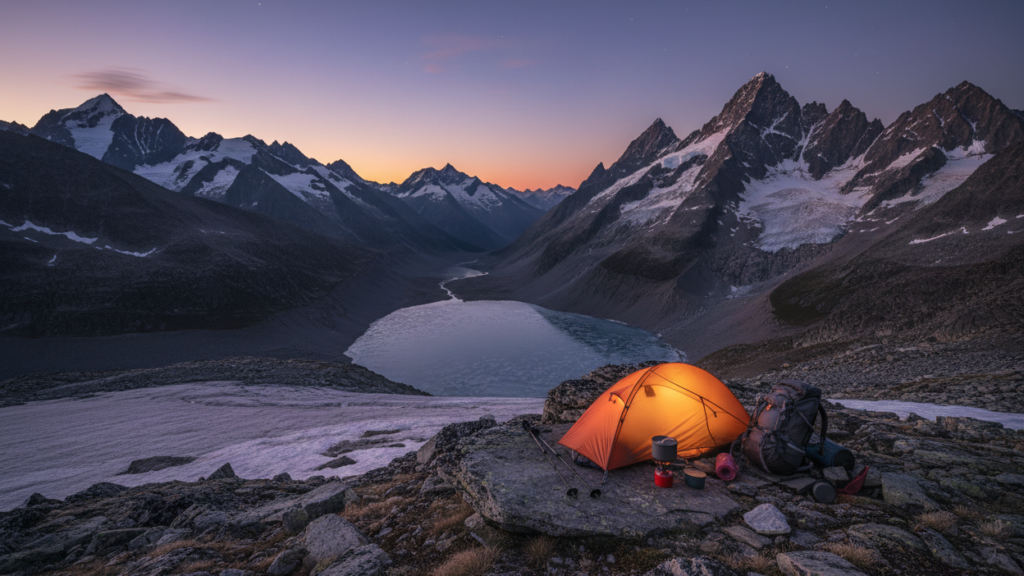
Camping and campgrounds represent the cheapest consistent option at 10-25€ per night. You get facilities including showers, laundry, electricity, and usually secure parking. The social atmosphere lets you meet other travelers and share route information. The downside is daily setup and packdown time, weather dependency, and the need to carry camping gear. Campgrounds work best for budget touring as primary accommodation, in rural areas and natural regions, during good weather, and when you’re already carrying camping equipment.
Wild camping provides free accommodation with total flexibility on timing and location. You can access remote areas without any lodging and camp in stunning locations where hotels don’t exist. However, legality varies dramatically by country. Scotland and Norway allow it freely, while Croatia and Greece prohibit it with fines. You have no facilities, face weather exposure, and need to find suitable spots. Wild camping works for the tightest budgets, in permissive countries, on remote touring routes, and during shoulder season when campgrounds close.
Hostels offer very affordable accommodation at 15-35€ per night with social atmosphere and opportunities to meet other travelers. Kitchen access saves significant food costs, and locations are often excellent in cities. The catch is shared dorm rooms with noise and lack of privacy. Motorcycle parking can be challenging in cities where most hostels operate. Hostels make sense for city stays where camping is impractical, when meeting travelers is a priority, when kitchen access matters for your budget, and for solo travelers wanting social interaction.
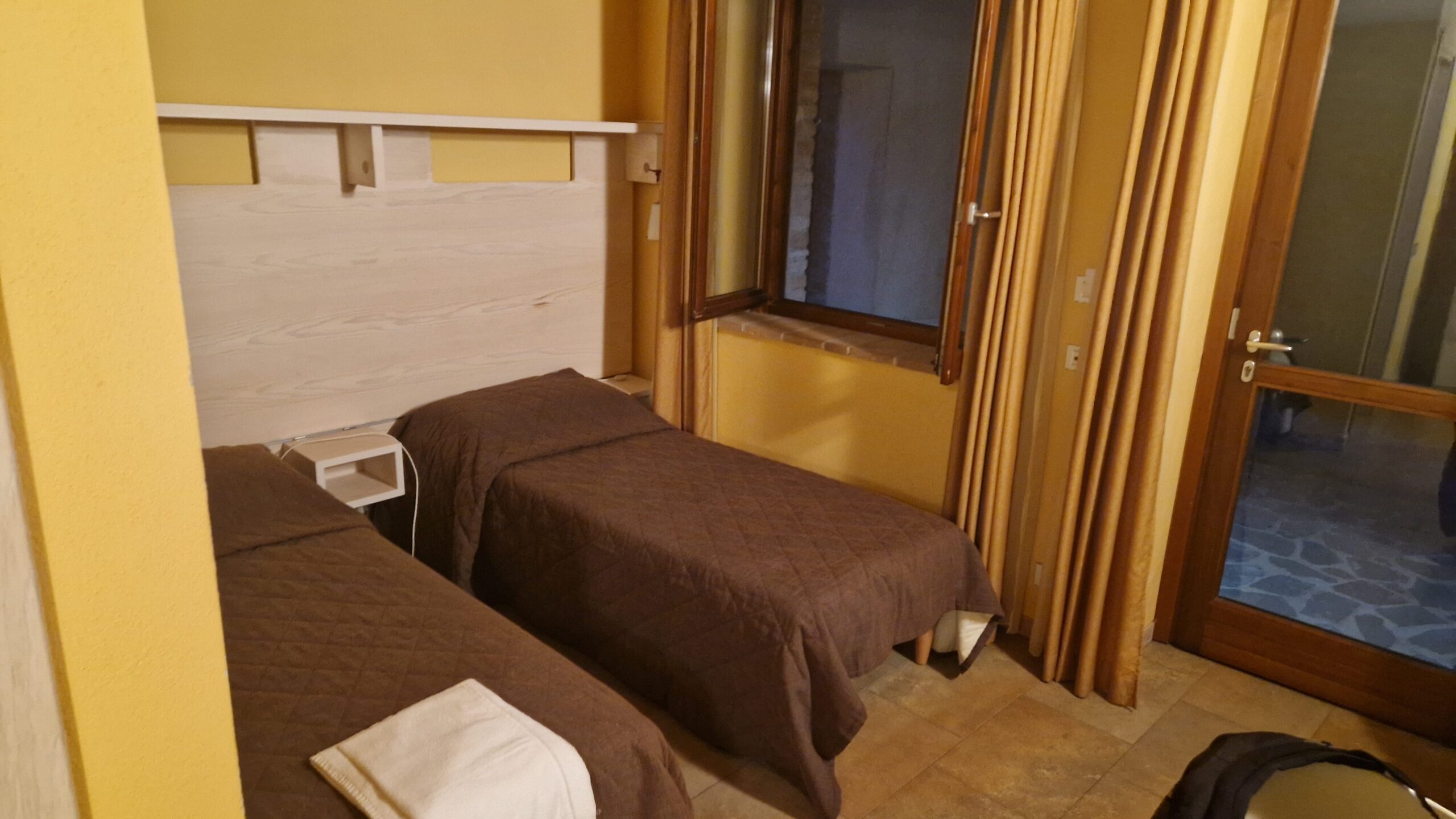
Budget hotels and guesthouses provide private rooms and bathrooms for 30-60€ in the budget range. You get better security for gear, more comfort than hostels or camping, and usually available motorcycle parking. They’re ideal after long riding days when you need proper rest and privacy. Quality varies considerably at the budget level, and you typically lack kitchen access. These work best when needing rest and privacy, during bad weather periods, when secure gear storage is required, and in shoulder season when good deals appear frequently.
Monasteries and religious accommodation surprise many riders with very cheap rates of 15-30€ or donation-based pricing. You experience unique cultural settings, usually safe and clean facilities, often included meals, and peaceful atmosphere. Availability is limited and not everywhere offers this option. Some have rules like curfews and quiet hours. The religious atmosphere isn’t for everyone, and advance booking is often required. Consider monastery stays when touring through religious regions like Italy, Spain, and Greece, seeking cultural experiences, budget touring with schedule flexibility, or interested in quiet contemplative overnight stays.
Hospitality networks provide completely free accommodation through platforms like Warmshowers, Couchsurfing, and BeWelcome. Local hosts offer insider knowledge about their regions, cultural exchange experiences, and often include meals. You meet interesting people and get genuine local perspectives. The trade-off is social obligation to interact with hosts, less privacy than paid accommodation, and limited availability in some areas. This requires planning and messaging hosts in advance and isn’t suitable when you’re exhausted from riding and just need sleep. Use hospitality networks for tightest budgets, wanting local perspectives and cultural exchange, on rest days when you have energy to interact, and when meeting people is a priority over privacy.
Booking Strategies to Save Money
Last-minute versus advance booking each has advantages. Last-minute booking lets you take advantage of hotels dropping prices to fill empty rooms. Apps show same-day deals, you maintain maximum routing flexibility, and you can check actual location and condition before committing. The risks include being sold out in popular areas during peak season, limited choices when you arrive tired, and potentially paying more if desperate for any room. Advance booking guarantees accommodation, lets you research motorcycle parking, allows route planning around confirmed stays, and sometimes offers early-bird discounts. However, you’re tied to specific locations with less flexibility, may pay cancellation fees if plans change, and miss better deals that appear later.
My recommended hybrid approach books first and last nights of your trip for peace of mind arriving and departing. Book accommodation in high-demand areas like coastal towns during summer when rooms sell out. Leave flexible sections unbooked for spontaneity and last-minute deals. Use free cancellation options whenever available so you can adjust if better opportunities appear. This balances security with flexibility.
Direct booking versus platform booking presents interesting trade-offs. Booking platforms like Booking.com, Hotels.com, and Hostelworld make comparison shopping easy, provide customer reviews revealing issues, offer loyalty programs with discounts, and give customer protection for disputes. You get centralized management of all bookings. Direct booking with properties sometimes saves 10-15%, lets you negotiate motorcycle parking directly, builds better relationships with property owners, allows asking specific questions, and provides flexibility on check-in times.
I learned about direct booking benefits during a trip through Slovenia. I found a guesthouse on Booking.com listed at 45€ per night. I called the owner directly, mentioned I was touring by motorcycle and needed secure parking. She offered 35€ per night for direct booking, gave me access to a locked garage for the bike, and threw in breakfast. The conversation also revealed she was a rider herself and gave excellent route recommendations. Since then, I always research on platforms but contact properties directly to book when possible.
Negotiation tactics work in specific situations. Off-season and shoulder season provide the most negotiation room. Small family-run properties are more flexible than chains. Multiple night stays give you leverage. Last-minute empty rooms are opportunities, as are walk-ins when showing up in person. Approach politely and friendly, asking “What’s your best rate for X nights?” Mention your motorcycle—some owners are sympathetic to riders. Ask about available discounts like automobile clubs or motorcycle associations. Offer cash payment since some properties prefer avoiding card fees. Be ready to walk away politely if prices remain unreasonable.
Beyond price, negotiate for valuable extras. Secure motorcycle parking in locked garages or courtyards matters enormously. Early check-in or late checkout helps after long riding days or before early departures. Packed breakfast for early morning starts saves time. Laundry access after multiple camping nights is valuable. Local recommendations for routes and authentic food enhance your experience. These extras cost the property little but add significant value for touring riders.
Booking Platforms and Apps for Motorcyclists
Booking.com dominates European accommodation with the largest inventory, Genius loyalty program providing 10-15% discounts, flexible cancellation on many properties, good budget range filters, and customer service that handles disputes well. For motorcyclists, use filters for private parking and free parking, read reviews specifically mentioning parking, message properties about motorcycle security before booking, and look for properties with garages or courtyards mentioned in descriptions or photos.
Hostelworld specializes in hostel listings with comprehensive coverage, detailed reviews from travelers, clear pricing without hidden fees, and availability shown for both dorm beds and private rooms. Private rooms in hostels often provide great value combining privacy with hostel affordability. Read reviews about noise levels carefully since some hostels party late. Check kitchen availability which saves substantial food costs. Always ask about motorcycle parking before booking since urban hostels often lack dedicated parking.
HotelTonight specializes in same-day bookings with 20-40% discounts on unsold rooms. The simple interface enables quick booking when you decide to stop for the day. It’s excellent for spontaneous routing. Limitations include being restricted to day-of or next-day bookings only, smaller inventory than comprehensive platforms, and sometimes lacking budget options in all areas. Use this when you’re comfortable with uncertainty and want maximum flexibility.
Airbnb works best for longer stays with weekly and monthly discounts that are substantial. Kitchen access is standard, secure parking is usually available, and you get more space than hotels. However, cleaning fees make short one-night stops expensive. Hosts have variable responsiveness, and it’s less suitable for quick overnight stops. Use Airbnb when establishing a base location for exploring a region for 3-7 nights, during rest days between touring segments, or in cities where you’ll spend several days exploring.
Free resources like Park4Night and iOverlander map free camping spots with user reviews and photos. They offer offline map capability and show parking areas and rest stops. Filter for motorcycle parking, read comments about security carefully, check for water access and facilities, and recognize these are community-updated so recent reviews matter most. These apps are essential for wild camping and finding free overnight parking when budgets are extremely tight.
Finding Accommodation with Secure Motorcycle Parking
Motorcycle parking security matters enormously. Theft risk increases in cities and tourist areas where expensive bikes with luggage become attractive targets. Peace of mind affects your sleep quality and daily enjoyment. Not all properties claiming “parking available” mean secure parking suitable for loaded touring bikes.
Best parking options include locked garages, gated courtyards visible from the property, covered parking with security cameras, and locked compounds with limited access. Acceptable options include well-lit parking lots near the main entrance, parking under reception windows where staff see the bike, courtyards with other vehicles present, and residential streets with local residents around. Avoid street parking in cities, unsupervised open lots, tourist area public parking, and dark or isolated parking areas.
Before booking, ask properties specific questions: “Do you have secure parking for a motorcycle?” “Can the motorcycle be parked in a garage or locked area?” “Is there video surveillance of the parking area?” “Have other motorcyclists stayed here and where did they park?” These direct questions reveal whether the property actually accommodates motorcycles well or just has generic parking.
Research platforms by reading reviews mentioning motorcycles or bikes specifically. Look at property photos for visible parking areas. Check the location on maps to see if it’s residential versus busy city center. Contact properties directly with questions rather than assuming parking will work. On arrival, assess parking immediately before checking in. Ask to see the parking area, request different parking if you’re uncomfortable, and consider paying extra for garage access if available and your current option feels insecure.
When parking is inadequate, find nearby paid secure parking garages which exist in most cities. Ask locals about the safest street parking locations. Use multiple locks including disc locks and chains. Park where the bike is visible from your room window if possible. Remove all valuable items from the bike and take them to your room. In extreme cases, consider changing accommodation if parking concerns are serious.
I once checked into a budget hotel in Naples where “parking available” meant a dark alley behind the building with no security. The neighborhood felt sketchy, and I was uncomfortable leaving a loaded bike there overnight. I politely explained my concerns to the owner, who made a phone call and arranged for me to use his brother’s garage two blocks away for €5 extra. The bike was locked inside overnight, and I slept soundly. Always trust your instincts about parking security and speak up when arrangements seem inadequate.
Seasonal and Geographic Strategies
High season in July and August brings challenges. Prices increase 30-50%, availability becomes limited requiring advance booking in popular areas, and you compete with peak tourists for accommodation. Survive high season by booking coastal and island accommodation well in advance, staying inland and taking day trips to the coast, using campgrounds which have more availability than hotels, and considering less popular countries entirely. The Balkans in August have better availability and prices than Italian or Croatian coasts.
Shoulder season in May, June, September, and October provides significant advantages. Prices drop 20-40% below peak, availability improves dramatically, negotiation room increases, and service becomes friendlier since staff aren’t overwhelmed. Last-minute deals appear commonly, walk-in negotiations work better, hostels offer off-season rates, and campgrounds are less crowded. Some properties close in October especially on coasts, services may be reduced at budget properties, and campgrounds start closing. Weather becomes less predictable but accommodation costs decrease substantially.
Off-season from November through March presents genuine challenges. Many accommodations close entirely especially along coasts. Campgrounds are mostly shuttered. Hotels that remain open sometimes have higher winter prices due to reduced competition. Solutions include focusing on cities which always have accommodation options, using hotel chains that stay open year-round, considering Airbnb for longer-term stays, and touring areas with year-round tourism like major cities rather than seasonal beach destinations.
Geographic cost-saving strategies work powerfully. Stay outside expensive cities by finding accommodation 10-20 kilometers from city centers. You save 30-50% on rates, often get better motorcycle parking, and ride into the city for sightseeing. Choose cheaper countries as bases, then take day trips to expensive neighboring areas. Stay in Albania and day-trip Croatian coast. Stay in Poland and day-trip into Germany. The riding itself is part of the adventure, and this strategy cuts costs dramatically.
Avoid tourism hotspots by choosing less-famous towns nearby. You get the same scenery and access for a fraction of the price, better local atmosphere without tourist crowds, and less crowded roads for riding. A small town 30 kilometers from a famous destination often costs half as much while providing equally good access for day visits.
Budget Accommodation Quality: What to Expect
At €20-40 per night, expect clean rooms and bathrooms with functioning showers providing hot water. Secure room locks are standard, along with basic toiletries or ability to use your own. Beds have clean linens, and some form of parking should be discussed even if not premium. What’s often basic or absent includes air conditioning which is less common in Europe than North America, small rooms with older furnishings, thin walls with potential noise, no elevators in older buildings, minimal amenities, and basic breakfast or none included. These limitations are normal at budget prices and don’t indicate poor properties.
Red flags to avoid include genuinely dirty facilities beyond normal wear, broken locks on doors, no hot water or unreliable hot water, evidence of bed bugs or pests, unsafe neighborhoods that feel threatening, no discussion of motorcycle parking when you’ve asked specifically, and hosts or property managers who are unreachable. When you encounter safety concerns, misrepresented conditions, vermin or serious cleanliness issues, or threatening behavior, leave and find alternative accommodation.
Review properties honestly to help other motorcyclists. Be fair about budget property limitations that are normal for the price point. Mention motorcycle parking specifics including security level and access. Note if negotiation was successful and what you achieved. Describe actual condition compared to photos. Help build collective knowledge for the riding community about which properties work well for motorcyclists and which to avoid.
Conclusion
Accommodation doesn’t have to drain your motorcycle touring budget. By mixing accommodation types strategically—camping when weather is good, hostels in cities, budget hotels when you need rest—you can keep costs reasonable while maintaining comfort and safety. The riders spending €100+ per night on hotels aren’t necessarily having better trips than those spending €20 on campgrounds or finding free wild camping spots. They’re just spending more money.
The key is flexibility and knowledge. Knowing which booking platforms offer real deals, when to book in advance versus last-minute, how to negotiate with property owners, and where to find the best value accommodation makes all the difference. Combine this with understanding which countries offer better value and when to visit, and you can tour Europe extensively on a modest budget.
Start with the strategies that match your comfort level. If wild camping feels too adventurous, focus on budget hotels and hostels. If you’re comfortable camping, mix free wild camping with occasional paid campgrounds. As you tour more, you’ll develop your own system based on what works for your riding style. The goal isn’t to suffer through terrible accommodation to save money—it’s to find the sweet spot where you’re spending wisely while staying safe and comfortable.
What’s your best budget accommodation find while touring? Any booking hacks or negotiation success stories? Share in the comments to help fellow riders find affordable places to stay across Europe!