Italy consistently ranks among Europe’s most popular motorcycle touring destinations—spectacular Alpine passes in the north, winding coastal roads along the Amalfi Coast and Cinque Terre, historic cities packed with art and culture, incredible food, and diverse regions from mountains to Mediterranean beaches. But what does motorcycle touring Italy cost actually amount to? I’ve ridden through Italy multiple times, from budget camping trips to more comfortable touring, and the answer depends heavily on your choices, the regions you visit, and when you travel.
Italy’s costs sit in the middle range for Europe—more affordable than Switzerland or Scandinavia but more expensive than the Balkans or Eastern Europe. Northern Italy generally costs more than the south, coastal areas and tourist hotspots command premium prices, and summer sees significant price increases over shoulder season. Understanding these variations helps you plan realistic budgets rather than discovering mid-trip that your money won’t stretch as far as hoped.
This guide breaks down actual costs for motorcycle touring through Italy—fuel prices, toll charges, accommodation across different budget levels, food costs from grocery stores to restaurants, and those often-overlooked expenses that add up (How to Create Your Motorcycle Trip Budget). You’ll get weekly budget examples for different touring styles, regional cost variations, and money-saving strategies specific to Italy. Whether you’re planning a week in the Dolomites or a month-long tour from Alps to Sicily, these realistic numbers help you budget accurately!
Understanding Italy’s Regional Cost Variations
Northern Italy including the Alps, Dolomites, and lake regions runs expensive—similar to Austria and Switzerland. Accommodation costs more, restaurants charge premium prices, and tourist infrastructure reflects northern European standards. Central Italy covering Tuscany, Umbria, and Rome sits moderate to high with significant tourist premiums in popular areas. Florence, Siena, and Rome charge significantly more than smaller towns.
Southern Italy encompassing Campania, Puglia, and Calabria offers more affordable touring with less dense tourism and lower general costs. The islands of Sicily and Sardinia show variable pricing—ferry costs add significantly to reach them, but once there, costs resemble southern mainland. Coastal areas everywhere charge premiums over inland routes. Tourist season from June through August increases prices 30-50% over shoulder season. The north-south gradient generally makes touring more affordable as you head south.
Fuel Costs and Mileage Planning
Current gasoline prices in Italy average 1.80-2.00 € per liter in 2026. Highway stations add 0.10-0.15 € per liter, while remote mountain areas add another 0.05-0.10 €. Self-service stations offer slightly cheaper rates than attended service. Understanding your motorcycle’s fuel consumption helps calculate costs.
For typical daily riding of 200 kilometers, expect to consume 10-16 liters costing 18-32 € daily depending on your bike. Weekly riding of 1,400 kilometers costs 125-225 € in fuel. Fill up at supermarket stations like Esso and IP for cheapest prices. Avoid highway service areas when possible. Small towns offer competitive pricing, and credit cards are accepted widely though cash is sometimes required at self-service pumps.
Fuel-saving strategies include filling up in valleys before climbing mountain passes where stations are sparse and expensive. Use supermarket stations in towns whenever possible. Plan routes considering fuel efficiency—smooth riding through mountains saves significant fuel compared to aggressive acceleration and braking.
Toll Roads and Highway Costs
Italian autostrada highways charge tolls based on distance traveled. Motorcycles pay 30-50% of car rates, making highway travel more affordable than for car drivers. The system works by taking a ticket at entry and paying when exiting based on distance covered. Electronic Telepass prepaid systems are available for frequent users.
Typical toll costs give perspective on highway expenses. Milan to Venice covering 280 kilometers costs 8-12 €. Rome to Florence spanning 280 kilometers runs 10-15 €. The longer Bologna to Naples route of 580 kilometers costs 20-30 €. Daily toll budgets vary dramatically—using highways regularly costs 10-20 € daily, avoiding tolls entirely costs nothing, and a mixed approach averages 5-10 €.
Toll-free alternatives exist throughout Italy via state roads. These scenic routes avoid tolls completely while offering more interesting riding than highways. Mountain passes are toll-free and spectacular. Coastal back roads provide better views than paid highways. Routes take longer but cost nothing and deliver superior motorcycle touring experiences.
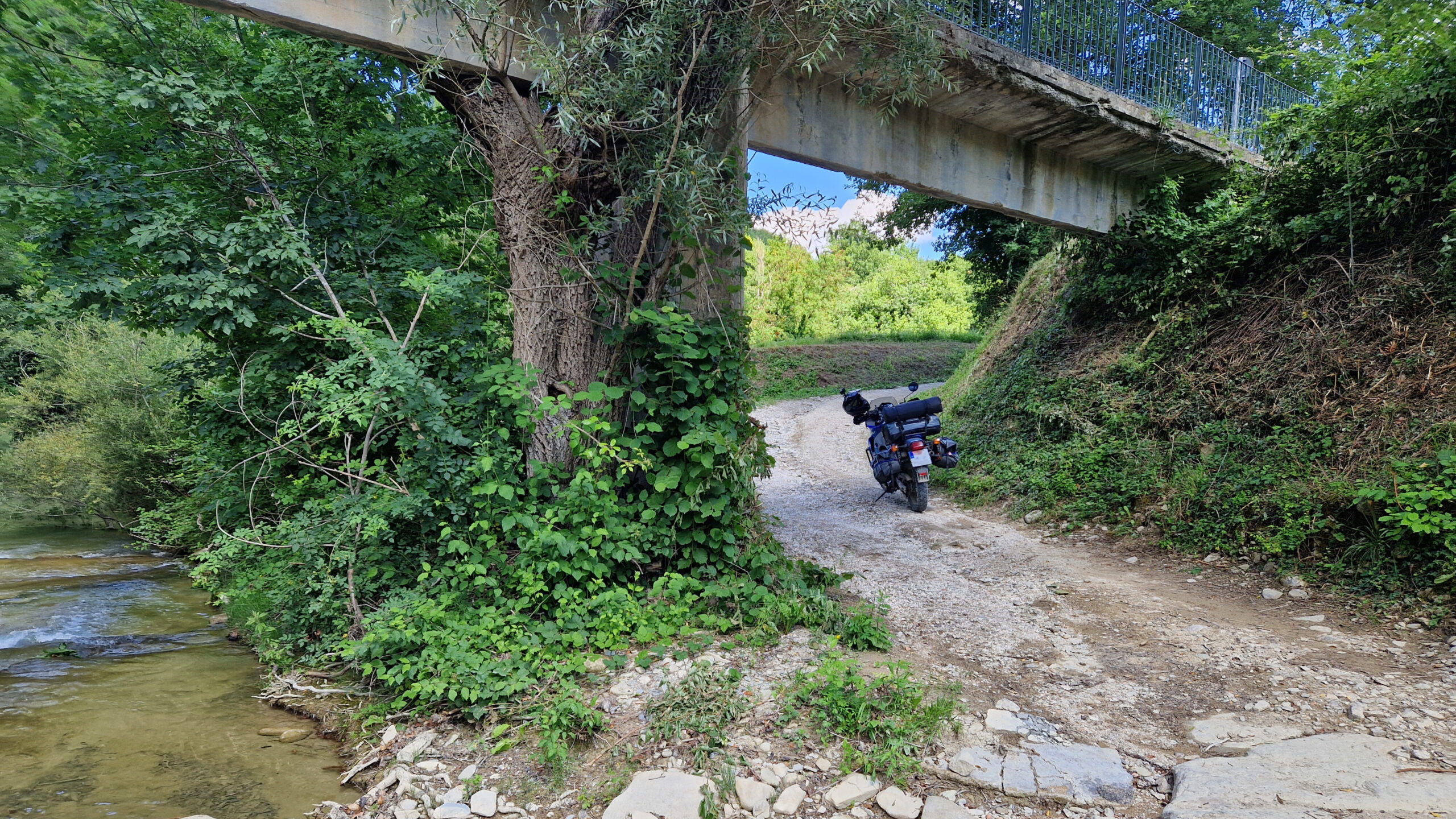
I planned a route from Milan to Naples using exclusively toll-free roads through mountain passes and coastal routes. The ride took two extra days compared to highway blasting, but saved 80 € in tolls while providing infinitely better scenery and riding. The Apennine mountain crossings and coastal stretches made the trip memorable rather than efficient. Since then, I avoid Italian highways unless time pressure demands speed—the free alternatives are why you ride a motorcycle.
Electronic toll payment works through Telepass for frequent users, Viacard prepaid options, credit cards at automated lanes, or cash which is accepted but sometimes carries surcharges. Additional road costs include ZTL limited traffic zones in historic city centers. These restricted areas are enforced by cameras, and violations result in fines of 80-300 €. Motorcycles are sometimes exempt depending on the city, so check regulations before entering centers. Parking costs 1-3 € per hour in cities with blue zones indicating paid parking. Motorcycle parking is often free or reduced, and hotels usually include parking.
Accommodation Costs Throughout Italy
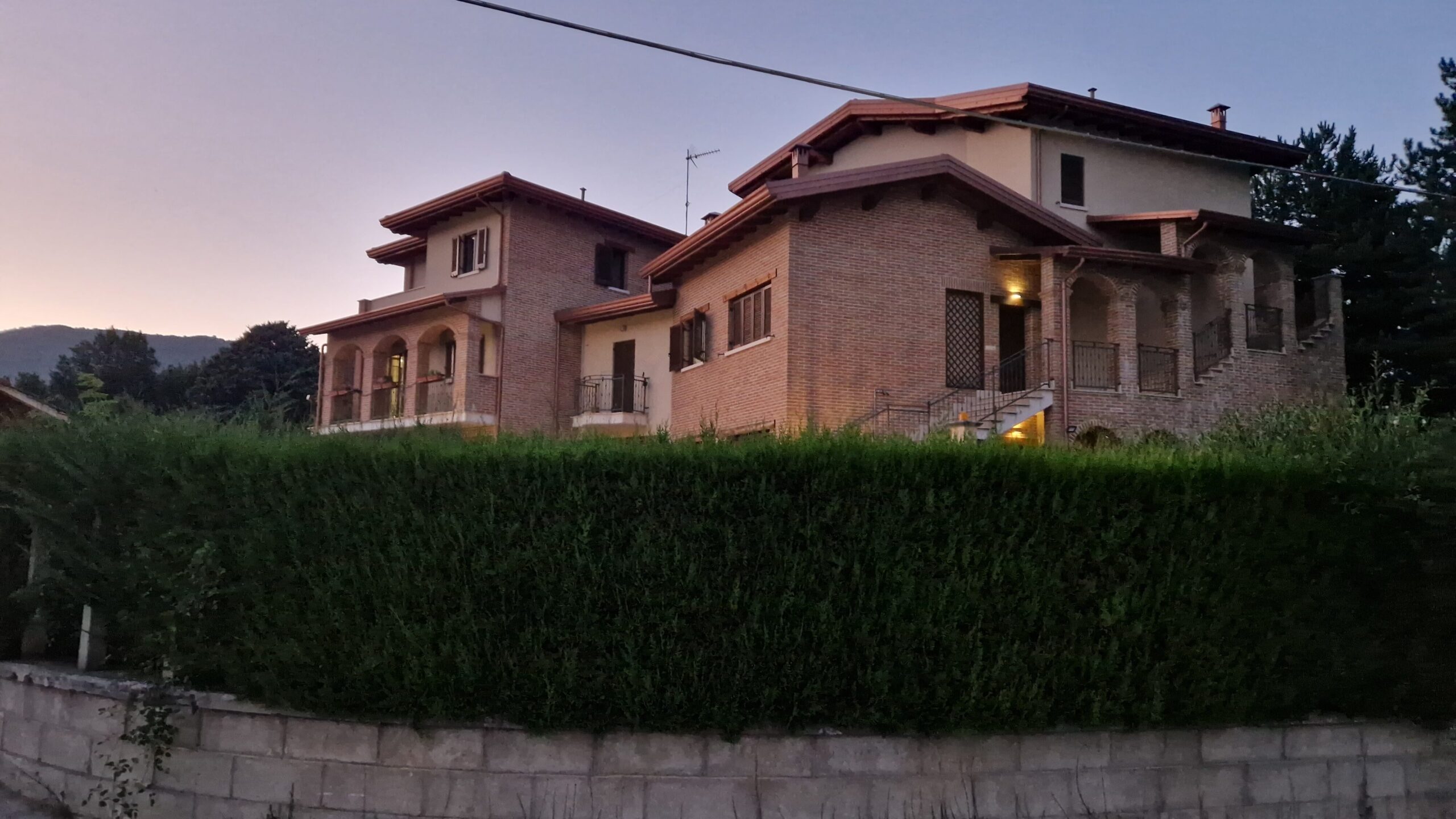
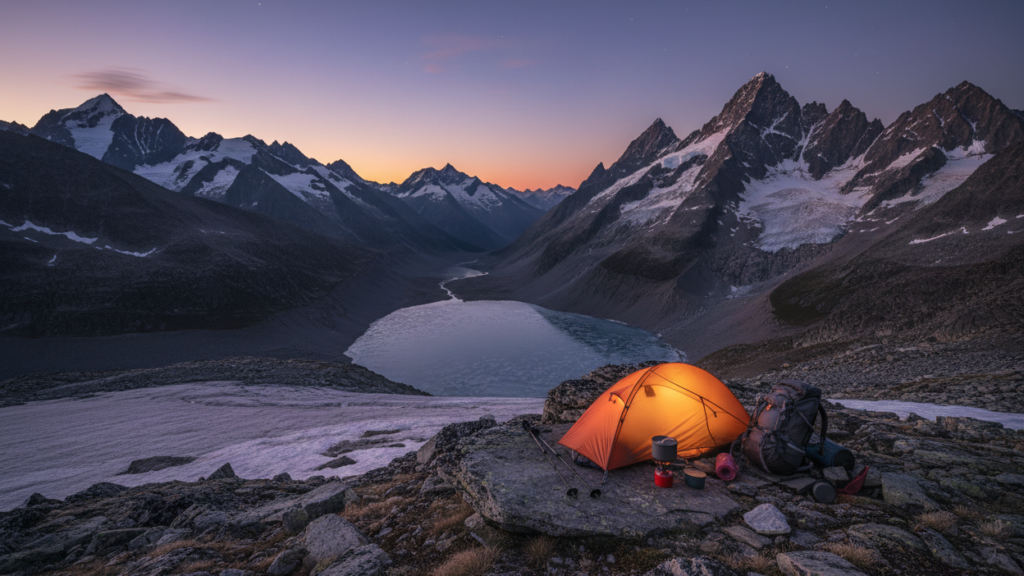
Camping costs vary significantly by region. Northern Italy campgrounds charge 15-30 € per person with tourist areas around the lakes commanding 20-35 €. Mountain region campgrounds run 18-28 € with usually excellent facilities. Central Italy campgrounds cost 18-30 € with Tuscany premium locations reaching 25-35 €. Rural areas offer better value at 15-25 €. Southern Italy provides the best camping value at 12-25 € with coastal Amalfi reaching 20-30 € but inland areas dropping to 10-20 €.
Wild camping remains illegal throughout Italy with enforcement varying by region. Mountain areas show more tolerance if you’re extremely discrete, arriving late and leaving early. Coastal areas enforce strictly with fines ranging 100-500 €. The risk generally outweighs potential savings—Italian authorities take wild camping violations seriously.
Budget hotels and guesthouses called alberghi and pensioni offer private accommodation at reasonable rates. Northern Italy budget range runs 50-80 € with tourist areas like Lakes Como and Garda reaching 60-100 €. Cities like Milan and Venice cost 70-120 €. Central Italy budget accommodation ranges 45-75 € with Tuscany and Umbria running 50-90 €. Rome costs 60-100 € while historic centers add another 20-30 €. Southern Italy delivers best value at 35-60 € with Naples averaging 40-70 €. Puglia and Calabria offer excellent deals at 35-55 €. Sicily and Sardinia run 40-70 € on tourist coasts but drop to 35-60 € in interior regions.
Mid-range three-star hotels cost 80-130 € in northern Italy, 70-110 € in central regions, and 60-90 € in the south. These usually include breakfast. Agriturismi farm stays represent unique Italian accommodation options. These rural properties charge 60-100 € with breakfast included, offer dinner options often, and prove motorcycle-friendly. They provide authentic experiences in beautiful countryside settings.
Food and Dining Costs
Grocery store self-catering represents the most affordable food option for motorcycle touring Italy cost management. Major chains include Esselunga in the north offering quality at moderate prices, nationwide Coop providing good value, widespread Conad with decent pricing, and budget options Lidl and Eurospin. Local markets offer fresh produce affordably – but be aware of opening times (they are closed during the Riposo). Daily grocery budgets run 25-35 € covering breakfast supplies for 5-8 €, lunch ingredients for 8-12 €, and dinner items for 10-15 €.
Typical costs show affordability of Italian grocery shopping. Fresh bread costs 2-4 €, pasta packages run 1-2 €, tomato sauce costs 2-4 €, fresh mozzarella runs 3-6 €, quality prosciutto costs 3-5 € per 100 grams, decent wine bottles run 5-10 €, fresh produce costs 1-3 € per item, and water costs just 0.50-1 € for 1.5 liters.
Restaurant dining varies dramatically by location and restaurant type. Budget restaurants include pizzerias charging 8-15 € per pizza, trattoria lunches costing 12-18 € for complete meals, panini sandwiches running 4-7 €, pasta dishes at 8-14 €, and simple dinners totaling 15-25 €. Mid-range restaurants see trattoria dinners at 20-35 € per person, osteria meals at 18-30 €, wine carafes at 6-12 €, antipasto plates at 6-12 €, primo pasta courses at 10-16 €, secondo main courses at 12-22 €, and coperto cover charges of 1.50-3 € added to bills.
Tourist areas command significant premiums. Venice, Amalfi Coast, and Florence center add 30-50% to prices. Rome tourist zones add 20-40%. Highway rest stops prove expensive and should be avoided. Restaurants off main squares offer much better value. Coffee and quick stops show Italian cafe culture affordability. Espresso at the bar costs just 1-1.50 € while cappuccino runs 1.50-2.50 €. Sitting down adds 2-4 € to coffee prices. Gelato costs 2.50-5 € and aperitivo evening drinks with free snacks run 8-15 €.
Regional cost variations follow the north-south pattern. Northern regions run 20-30% more expensive than average. Southern regions cost 20-30% less. Tourist areas everywhere add 30-50% premiums while local neighborhoods offer best value for authentic experiences and affordable prices.
Sample Weekly Budgets for Italy
Budget touring costs 350-500 € weekly with realistic breakdown showing accommodation at 140-210 € including five camping nights for 90-150 € and two budget hotel nights for 50-60 €. Food totals 140-200 € with mostly groceries at 100-140 € plus three to four budget restaurant meals at 40-60 €. Fuel for 1,000 kilometers riding costs 70-100 €. Tolls run 0-20 € by avoiding highways mostly with some strategic highway use. Attractions cost 20-30 € through selective paid entries and mostly free activities. Miscellaneous expenses including coffee, snacks, and parking total 20-30 €. This produces weekly costs of 390-590 € or daily costs of 55-85 €.
Mid-range touring costs 700-950 € weekly with accommodation at 350-500 € using budget hotels throughout and some agriturismi averaging 50-70 € nightly. Food totals 200-280 € mixing groceries and restaurants with one to two restaurant meals daily and morning coffee out. Fuel for 1,400 kilometers costs 90-120 €. Tolls run 50-80 € using highways strategically for time savings. Attractions cost 50-80 € visiting most major sites and some guided experiences. Miscellaneous expenses for gelato, coffee, parking, and tips total 50-70 €. Weekly costs reach 790-1,130 € or daily costs of 110-160 €.
Comfortable touring costs 1,200-1,600+ € weekly with accommodation at 560-840 € in three-star hotels and nice agriturismi averaging 80-120 € nightly. Food totals 350-490 € with restaurant meals, nice dinners, and wine with dinner standard. Fuel for 1,400-1,800 kilometers costs 100-140 €. Tolls reach 80-120 € using highways frequently for convenience. Attractions cost 100-150 € covering all major sites, guided tours, and experiences. Miscellaneous expenses total 100-150 € for comfort items, souvenirs, and no budget stress. Weekly costs reach 1,290-1,890 € or daily costs of 185-270 €.
Regional Budget Comparisons and Money-Saving Strategies
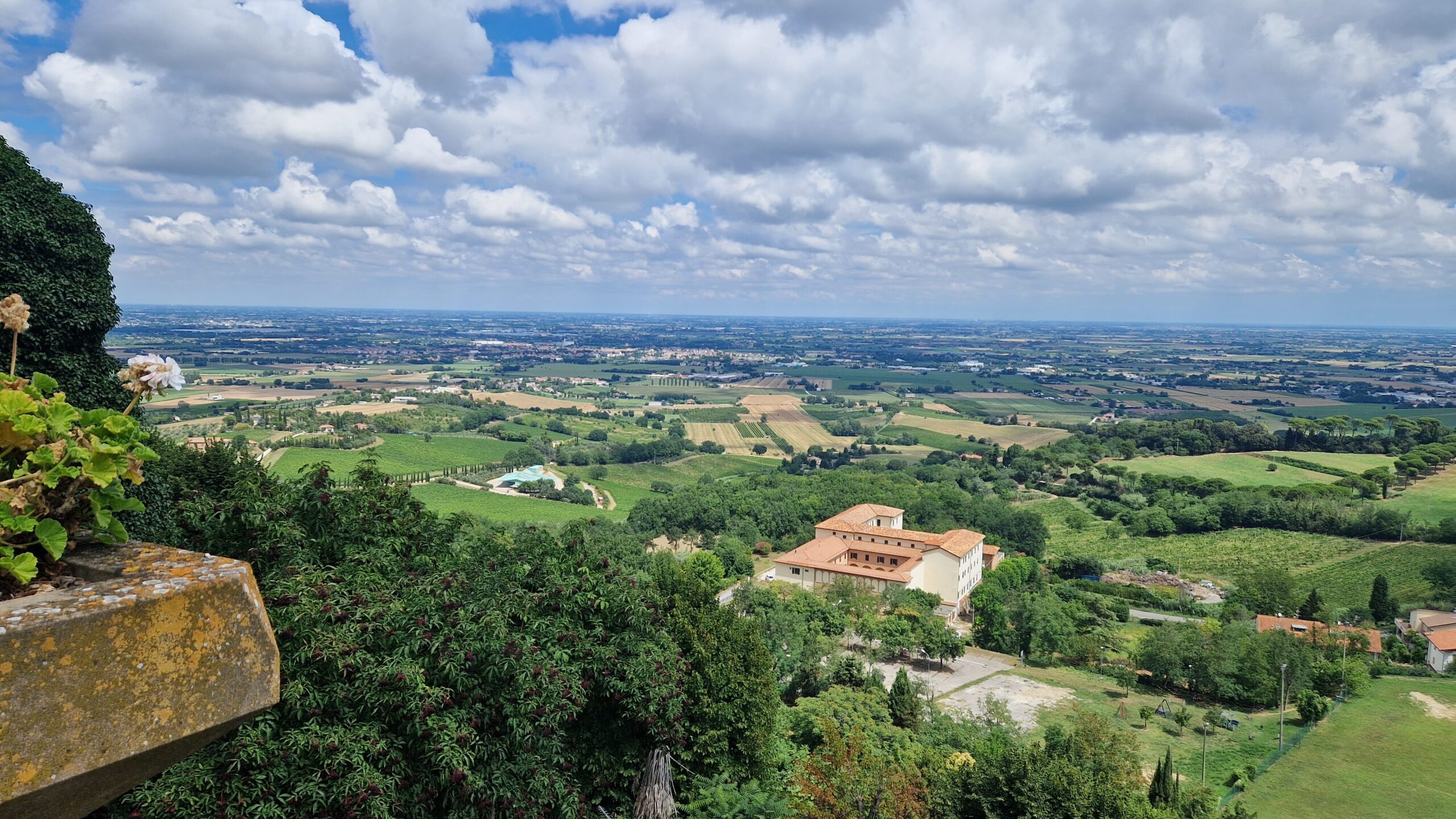
Northern Italy weeks focusing on Alps and Dolomites cost more due to tourist premiums. Accommodation runs higher, food reflects northern prices at 20% above average, and attractions like cable cars add costs. Expect 450-650 € for budget touring or 850-1,100 € for mid-range. Lakes region including Como, Garda, and Maggiore commands premium lakeside pricing with very high tourism making it expensive at 500-700 € budget or 900-1,200 € mid-range.
Central Italy weeks in Tuscany and Umbria show moderate costs with good inland value. Wine region tastings add costs, but the balance of price and experience works well. Expect 400-550 € budget or 800-1,050 € mid-range. Rome area costs more with expensive city accommodation, pricey tourist area food, and many paid attraction entries reaching 450-600 € budget or 850-1,100 € mid-range.
Southern Italy provides best value with Puglia, Basilicata, and Calabria offering excellent affordable authentic experiences at 300-450 € budget or 650-850 € mid-range. Sicily costs slightly more due to 50-120 € ferry charges but remains affordable at 400-550 € budget or 750-950 € mid-range including ferry costs.
Money-saving strategies specific to Italy include camping in affordable south while staying in hotels in expensive north to spread costs intelligently. Agriturismi offer better value than hotels since meals are often included. Book directly with small hotels to skip booking platform fees. Stay outside tourist centers and ride in for day visits. Eat lunch as your main restaurant meal since pranzo menus cost 12-18 € for same food as dinner. Aperitivo from 6-8 PM includes free snacks with drinks. Stand at the bar for coffee instead of sitting at tables. Shop at local markets for fresh cheap produce. House wine provides excellent value. Ask locals for restaurant recommendations to avoid tourist traps.
Route planning saves substantial money. Avoiding tolls via scenic alternatives saves 70-140 € weekly while providing superior riding. Mountain passes are free and spectacular. Coastal back roads prove more interesting than highways. Plan fuel stops at supermarkets for best prices. Time your trip for May or September shoulder season when accommodation costs drop 30% while weather remains excellent. Eat lunch instead of dinner at restaurants for same quality at lower prices.
Conclusion
Motorcycle touring Italy costs between 350-500 € weekly for budget touring, 700-950 € for mid-range comfort, and 1,200-1,600+ € for comfortable touring without budget constraints. The wide range reflects Italy’s regional variations—northern Alps cost significantly more than southern Puglia, coastal tourist areas command premiums while inland regions offer better value, and your accommodation and dining choices create the biggest budget swings.
The key to managing Italy motorcycle touring costs is understanding these variations and adjusting your approach by region. Camp or stay in budget accommodation in expensive northern areas, splurge on mid-range hotels in affordable south where prices justify comfort. Eat restaurant lunches instead of dinners for same quality at lower prices. Avoid highway tolls by taking scenic free alternatives that make better riding anyway. Time your trip for May or September when accommodation costs drop 30% while weather remains excellent.
Italy rewards budget-conscious riders willing to adapt strategies by region and season. Southern Italy delivers incredible value with authentic experiences, excellent food, and affordable accommodation. Northern regions justify higher costs with spectacular mountain scenery and world-class riding. Balance expensive and affordable regions, mix camping with hotels, combine grocery picnics with restaurant experiences, and you’ll tour Italy thoroughly without breaking your budget. The goal isn’t extreme deprivation—it’s smart spending that maximizes experiences while respecting financial limits.
What’s your experience with Italy motorcycle touring costs? Any money-saving discoveries or budget surprises? Share your Italy budget tips in the comments to help fellow riders plan their Italian adventures!