Ever planned the perfect alpine motorcycle route only to arrive at the base of your dream pass and find a closed gate staring back at you? It’s happened to more riders than you’d think! Spring in the Alps is a tricky season—those high mountain passes that make for incredible riding are often still buried under several meters of snow while the valleys below are already blooming with wildflowers.
Here’s the thing: there’s no single date when all alpine passes magically open for the season. Some passes open as early as late April, while others don’t clear their roads until mid-June or even July. Weather patterns change year to year, funding for snow removal varies by region, and different countries have different priorities for which roads to clear first.
In this guide, I’ll walk you through the typical opening schedules for major alpine passes across Switzerland, Austria, Italy, and France. You’ll learn how to check real-time road conditions, what factors affect opening dates, and—most importantly—how to plan flexible routes that won’t leave you stranded at a closed pass. Whether you’re planning a multi-country tour or a weekend escape into the mountains, knowing when these iconic roads become rideable can make or break your spring adventure!
Understanding Alpine Pass Opening Schedules
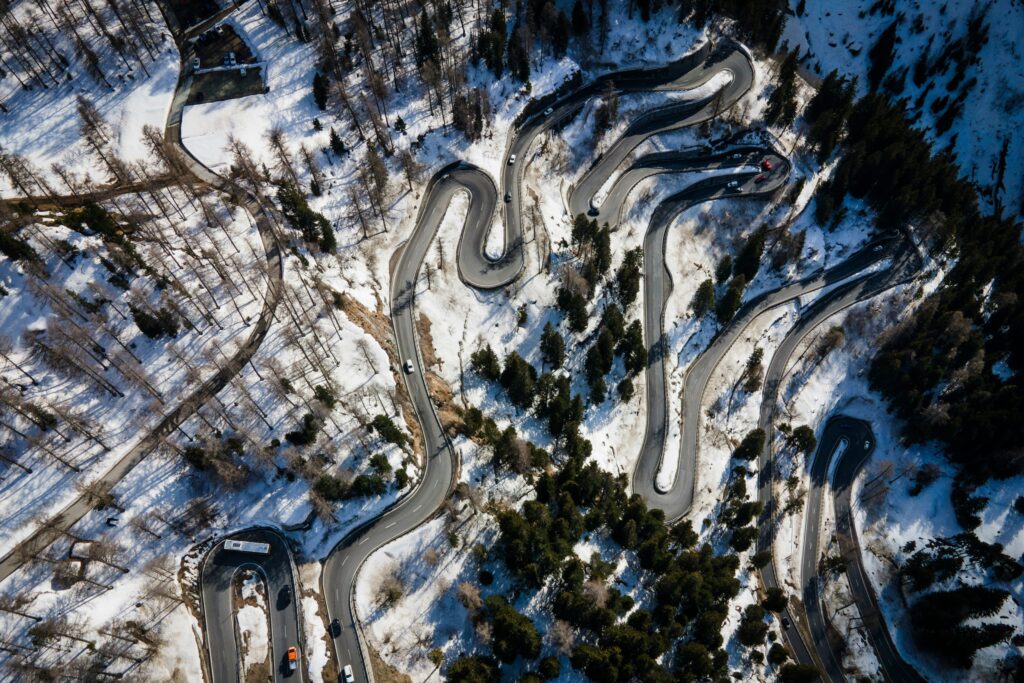
The Alps aren’t just closed for fun during winter. Snow accumulation at high elevation can reach 5-10 meters in some areas, and avalanche risk makes these roads genuinely dangerous until conditions stabilize. Add in the cost of snow clearing—which involves specialized equipment and crews working for weeks—and you start to understand why not every pass opens the moment spring arrives.
Most alpine passes follow a general pattern. Lower passes around 1,800-2,000 meters might open in late April or early May. Mid-elevation passes between 2,000-2,400 meters typically open from mid-May through early June. The highest passes above 2,400 meters? You’re often looking at mid-June or even early July before they’re cleared.
But here’s where it gets interesting. “Open” doesn’t always mean what you think it means. A pass might be technically open to traffic, but still have ice patches in shaded corners, gravel from snow clearing operations, or one-lane sections with temporary traffic lights. For motorcyclists, these conditions matter way more than they do for car drivers.
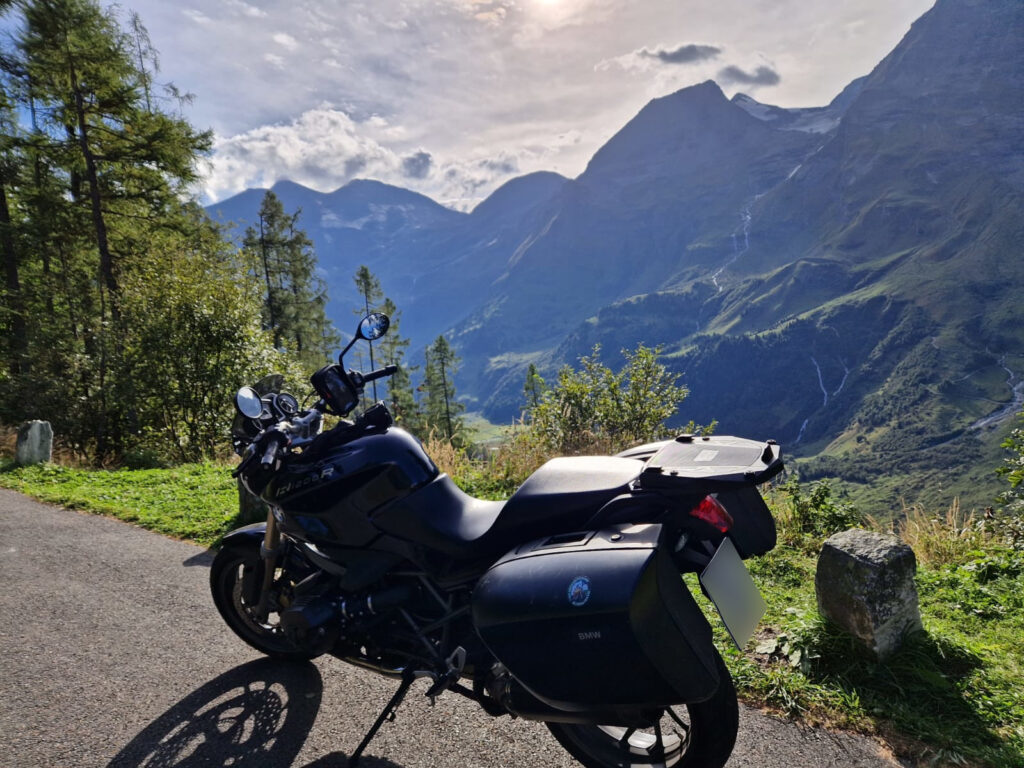
I learned this when i got my new bike and coudn`t wait to ride the famous “Stelvio” mountain pass. As soon as it was open i packed my bike for a weekend and was heading towards the the Italian Alps. Besides from shivering all the way up and down – let me say this much: i wasn`t enjoying my time on this beautiful road with my new bike.
Switzerland tends to be the most predictable and efficient with their opening schedules. The Swiss take their infrastructure seriously, and they publish estimated opening dates that are usually pretty accurate. Austria is similar, especially for their major tourist routes like the Grossglockner. Italy and France? Well, let’s just say their schedules are more like “suggestions.” I’ve seen Italian passes open two weeks late because of budget constraints or staffing issues.
Major Alpine Passes and Their Typical Opening Dates
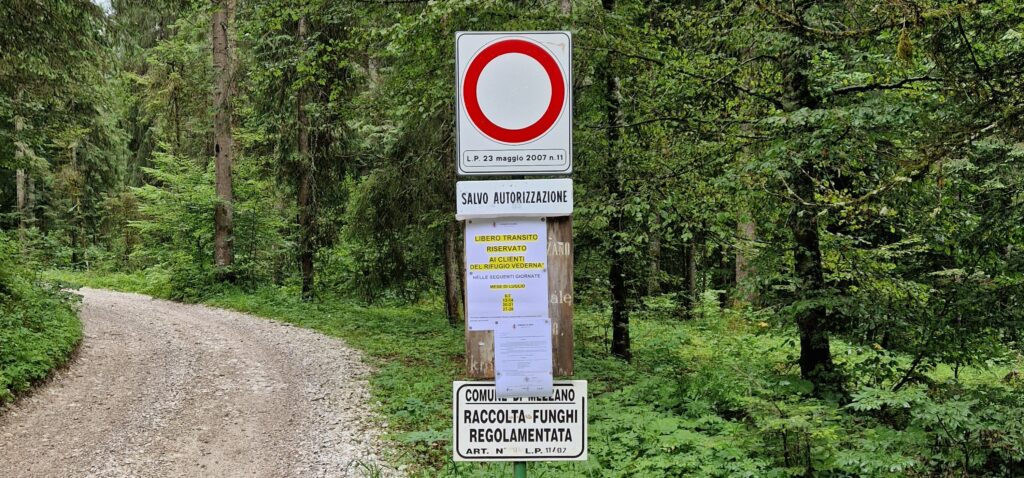
Let me break down the big ones you’re probably planning to ride. Remember, these are typical dates based on average years—an unusually snowy winter or late spring storms can push everything back by weeks.
Switzerland is home to some of the most famous passes. The Furka Pass at 2,429 meters usually opens around mid-June. The Grimsel at 2,164 meters opens late May to early June. Susten Pass typically clears by late May. The San Bernardino opens earlier, often by mid-May. If you want guaranteed early season riding, the Julier Pass either stays open year-round or opens by early April since it’s a major through route.
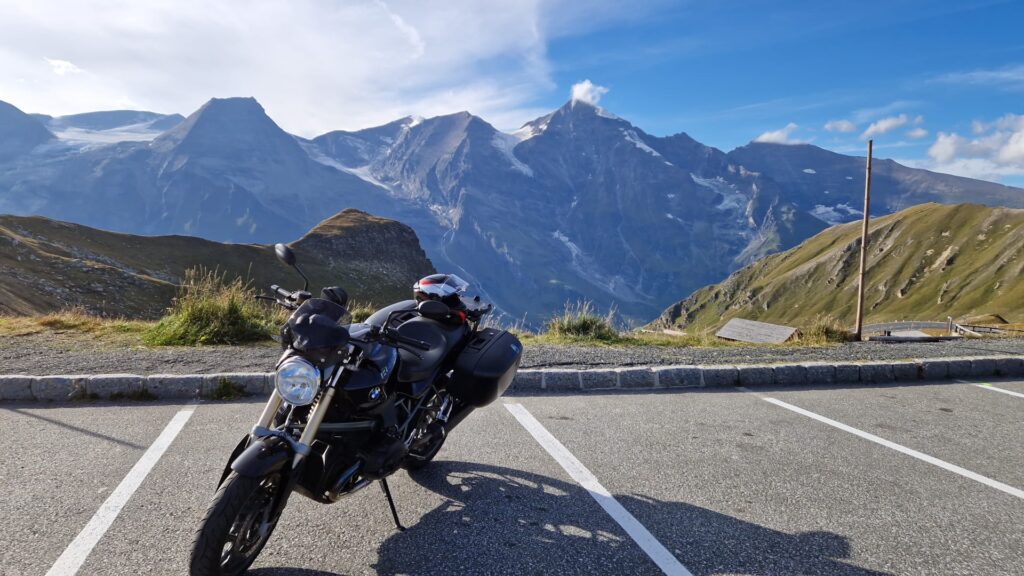
Austria’s crown jewel is the Grossglockner High Alpine Road at 2,504 meters, which usually opens in early May with a big ceremony and everything. The Timmelsjoch into Italy typically opens late May to early June. The Arlberg Pass is generally kept open year-round since there’s a tunnel alternative for commercial traffic.
Italy has the legendary Stelvio Pass at 2,758 meters, which opens anywhere from late May to mid-June depending on the year. The Passo Gavia at 2,621 meters often doesn’t open until mid-June. Lower passes like the Spluga at 2,113 meters usually clear by mid-May.
France has the highest pass in Europe: Col de l’Iseran at 2,770 meters, which doesn’t open until late June or early July. The Col du Galibier typically opens early to mid-June. These French cols are worth the wait though—absolutely stunning riding.
How to Check Real-Time Pass Status Before You Ride
Okay, so those typical dates are helpful for planning, but you need real-time information as your trip approaches. Here’s how to actually check if your route is rideable.
For Switzerland, the official TCS (Touring Club Schweiz) website has current pass status in multiple languages. It’s updated regularly and pretty reliable. The Swiss also have excellent webcams at most major passes—you can literally see if there’s snow on the road. Austria has similar resources through ÖAMTC, their automobile club.
Italy is where things get frustrating. Regional websites exist, but they’re not always updated promptly. Your best bet is calling local tourist offices or hotels near the pass you want to ride. They know what’s happening. The Italian mountain pass enthusiast community on social media is also surprisingly helpful—riders share updates in real-time.
France has departmental road condition websites, but again, sometimes they lag behind reality. The good news is that French mountain communities are very connected with motorcycle tourism so local bike shops and hotels always have current information.
There are also apps like “Alpenstraßen” that aggregate pass status across multiple countries. Not perfect, but decent for a quick overview. The key is checking multiple sources and not trusting your GPS blindly—navigation apps will happily route you to a closed pass.
What “Open” Really Means for Motorcyclists
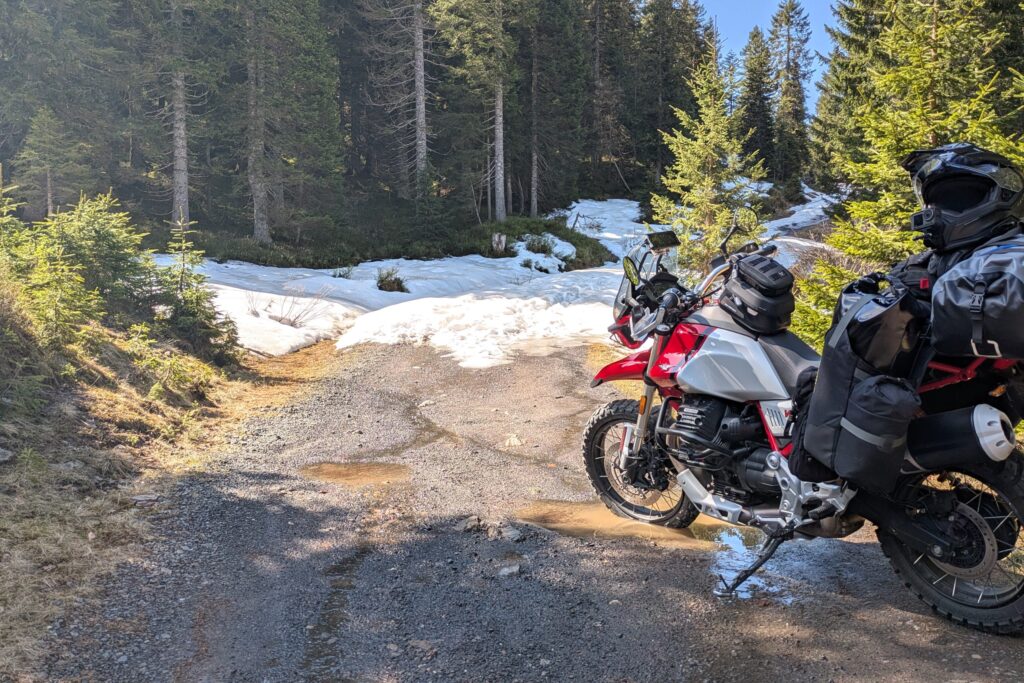
This is crucial: just because a pass is listed as “open” doesn’t mean you should ride it on two wheels yet. Cars can handle conditions that are genuinely sketchy on a motorcycle.
In the first few weeks after opening, you’ll encounter ice patches in shadowed corners, especially on north-facing sections. Meltwater runs across the road in spots. There’s often loose gravel from the snow clearing process scattered everywhere. Some passes have temporary one-lane sections with traffic lights while they complete repairs from winter damage.
Temperature matters too. Even if the road is clear, riding a high pass in early morning when it’s 2-3 degrees Celsius isn’t exactly enjoyable. Your fingers go numb, your visor fogs constantly, and the risk of unexpected ice is real. I generally wait until daily highs are reaching at least 10-15 degrees before tackling the highest passes.
Some passes also have afternoon closures for avalanche control work in early season. The Grossglockner, for example, sometimes closes briefly for controlled avalanches even after the road opens. It’s rare, but worth knowing about.
Planning Flexible Routes When Passes Are Closed
Here’s my approach: never plan a spring alpine trip around a single must-ride pass. Always have alternatives ready.
For every high pass on your route, identify a lower-elevation alternative or valley road option. If the Stelvio is closed, can you ride through the Vinschgau valley instead and connect via the Timmelsjoch? If the Furka is still snowed in, can you take the Susten or drop down to the valley road through the Rhône valley?
Tunnels are your friend in spring. The Gotthard tunnel, San Bernardino tunnel, and others let you cross the Alps even when surface passes are closed. Sure, tunnels aren’t as scenic, but they keep your itinerary moving.
I’ve also learned to embrace “plan B” routes as potential discoveries. Some of my favorite roads were found because my original pass was closed. Lower-elevation pre-Alps roads through Appenzell or the Swiss Jura are gorgeous and rarely mentioned in guidebooks.
The southern Alps tend to open earlier too. If you’re flexible about direction, heading toward the Italian Maritime Alps or southern French cols in early May often works when the high Swiss passes are still closed.
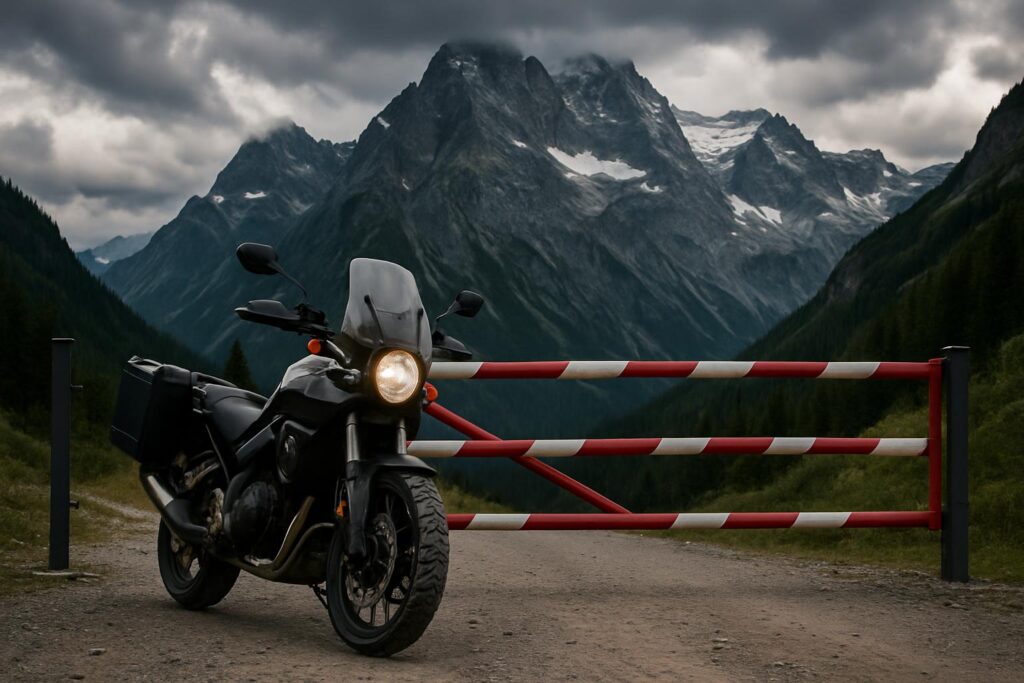
What to Do If You Arrive at a Closed Pass
First: don’t panic. You’re not the first rider this has happened to, and you won’t be the last.
Check if there’s an estimated opening date posted at the closure. Sometimes passes only open within certain time frames during the day or within a day or two, and if you’ve got schedule flexibility, waiting can be worth it. Ask at nearby cafes or hotels—locals always know more than official websites.
If the opening is weeks away, time to pivot. Pull out your map (or phone) and look for nearby alternatives. Often there’s another pass within 30-60 minutes that’s open. This is where having done some pre-trip research pays off.
The valley towns near major passes are often charming and worth exploring anyway. If you find yourself stuck, spend the afternoon wandering a mountain village, trying local food, and chatting with other riders who are in the same boat. Some of the best travel memories come from these unplanned stops.
Conclusion
Spring alpine riding is all about flexibility and realistic expectations. Yes, it’s frustrating to plan a route around the Stelvio only to find it’s still under snow, but understanding typical opening schedules and having backup routes ready turns potential disappointment into an adventure. The passes will be there all summer—sometimes waiting an extra week or choosing a different route leads you to discover hidden gems you’d have otherwise missed.
Remember that opening dates are guidelines, not guarantees. Check conditions frequently in the weeks before your trip, build flexibility into your itinerary, and don’t be afraid to adjust on the fly. Some of the best motorcycle travel stories come from unexpected detours! The valleys are beautiful too, and you might find that a “backup route” becomes your new favorite road.
Have you ever been caught out by a closed alpine pass? What alternative routes did you discover? Drop your experiences in the comments—fellow riders planning spring trips will appreciate the intel!