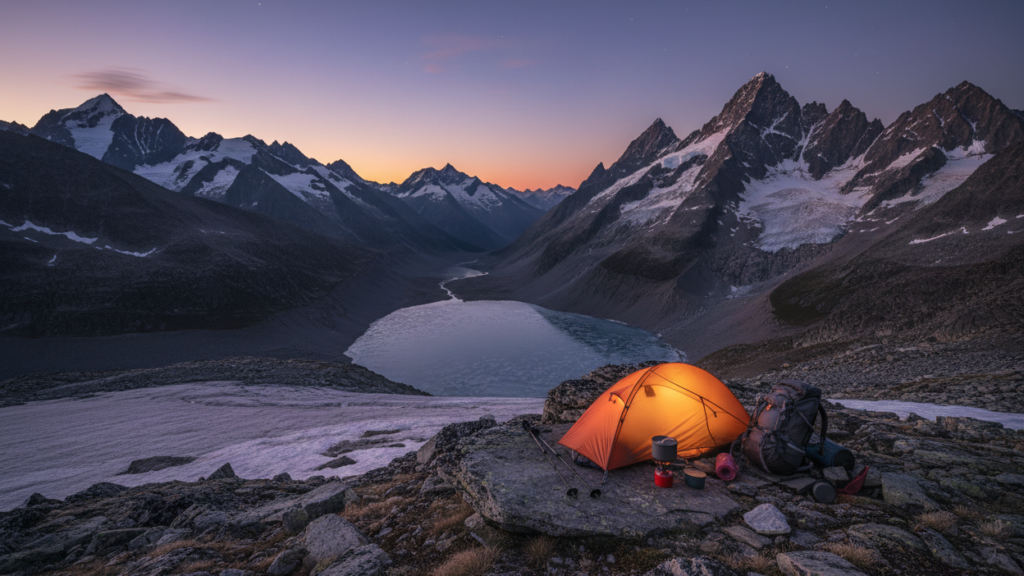
Picture this: you’ve been riding all day through the mountains, the sun’s setting, and you stumble upon the perfect spot—a quiet meadow with incredible views. But can you actually pitch your tent there without getting fined or kicked out at 2 AM? Wild camping laws across Europe are a confusing patchwork of national regulations, regional exceptions, and unwritten rules that vary dramatically from country to country.
In some places like Scotland and Norway, you have the legal right to camp almost anywhere. In others like Italy and Austria, wild camping is technically illegal but widely tolerated in certain areas. And then there are countries where you risk serious fines if caught. As a motorcycle traveler carrying camping gear, understanding these differences isn’t just helpful—it’s essential for planning your route and avoiding trouble.
This guide breaks down wild camping legality across 25+ European countries, from the most permissive to the most restrictive. You’ll learn where you can camp freely, where you need to be discreet, and where you should stick to official campgrounds. Whether you’re planning a Scandinavian adventure or a Mediterranean tour, knowing these laws helps you camp confidently and respectfully!
Understanding Wild Camping vs. Bivouacking
Before diving into country-specific rules, let’s clarify what we’re actually talking about. Wild camping generally means pitching a tent on public or private land outside of designated campgrounds. Bivouacking, on the other hand, refers to emergency overnight shelter—typically a sleeping bag under the stars or a basic tarp setup without a full tent. This distinction matters legally in countries like Switzerland and France, where bivouacking might be tolerated even when tent camping isn’t.
There’s also a difference between setting up camp and simply parking overnight. Some countries distinguish between sleeping in or beside your vehicle versus pitching a tent and setting up chairs and a stove. The “one night only” principle applies in many places—you can stay one night but shouldn’t establish a multi-day camp in the same spot.
Here’s what makes this tricky: many countries operate in “tolerated but not legal” gray areas. Wild camping might technically be prohibited by law, but enforcement is minimal or non-existent in remote areas. Popular tourist zones see stricter enforcement than wilderness regions, and summer brings more police presence than off-season months. Understanding these nuances helps you camp smart.
Most Permissive Countries (Where Wild Camping Is Legal)
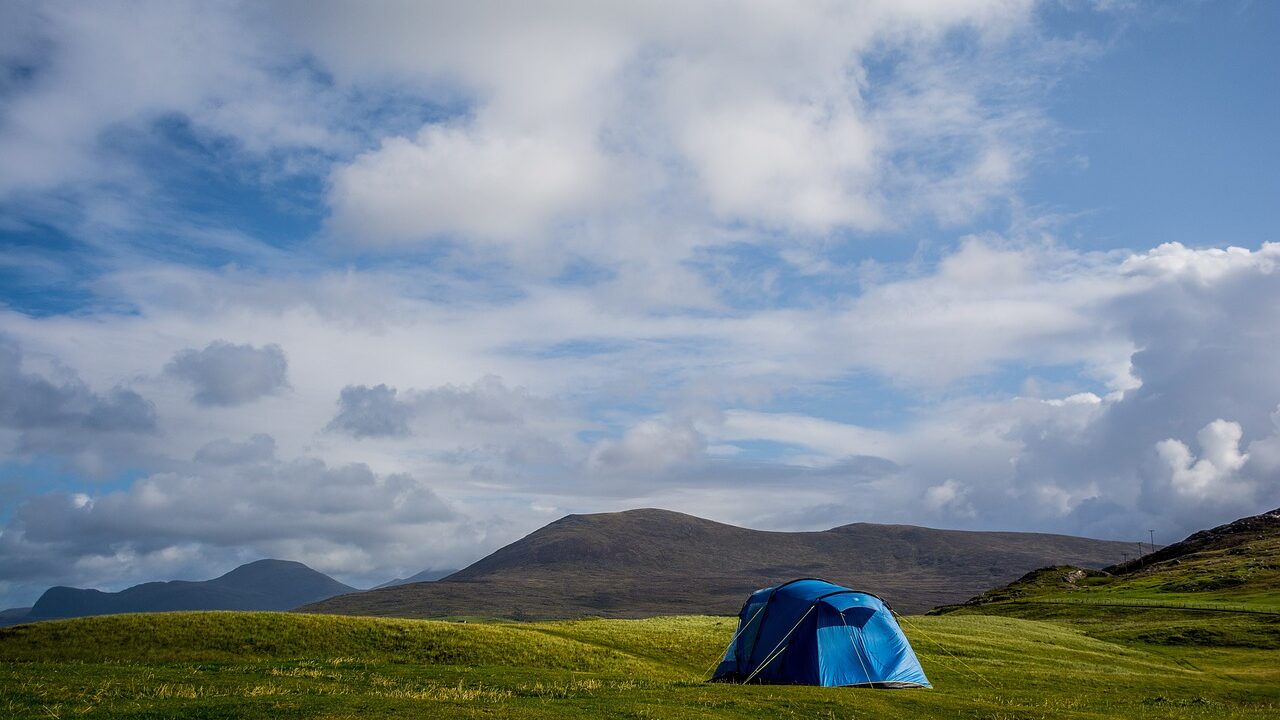
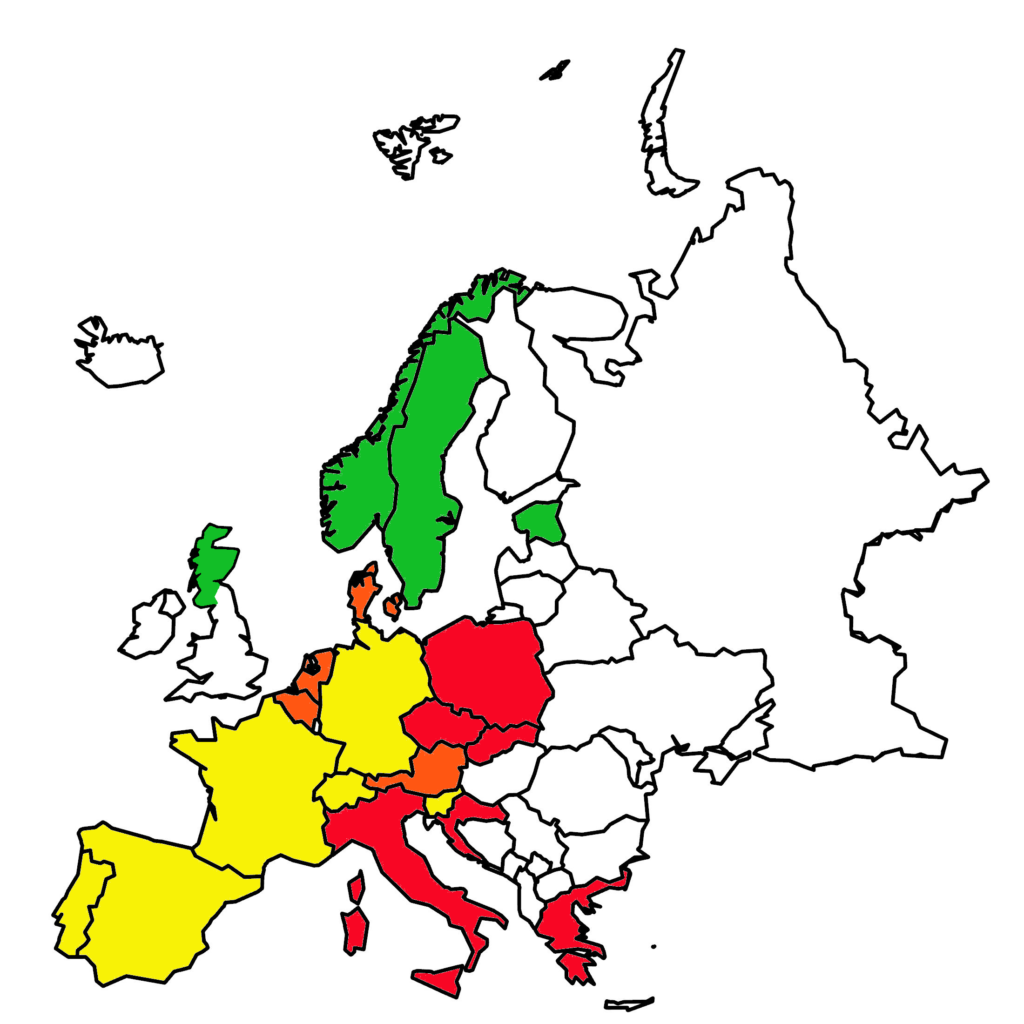
Scotland leads Europe in wild camping freedom. The Scottish Outdoor Access Code gives you the legal right to camp on most unenclosed land, which is incredible for motorcycle travelers. You can pitch your tent almost anywhere as long as you’re responsible and respectful. There are exceptions—Loch Lomond and the Trossachs National Park has permit requirements in certain zones due to overcrowding and environmental damage. But overall? Scotland is wild camping paradise. The Highlands offer endless incredible spots for motorcyclists.
Norway’s Allemannsretten (Freedom to Roam) is equally impressive. You can camp anywhere in uncultivated land for up to two nights in the same spot, as long as you’re at least 150 meters from the nearest building. This law applies to forests, mountains, and beaches. National parks are included, though some have specific guidelines. For motorcycle touring, this means you can explore the fjords and mountains with complete camping freedom. Just practice Leave No Trace and respect the incredible access you’re given.
Sweden operates under similar Allemansrätten principles. Camp on uncultivated land, stay a reasonable distance from homes, and don’t disturb. Southern Sweden has slightly stricter interpretation due to higher population density, but northern wilderness areas are wide open. The key phrase is “not causing disturbance”—which means being discrete, quiet, and respectful.
Estonia surprises many riders with its permissive approach. Wild camping is allowed in many areas, making it an excellent budget option in the Baltics. National parks and nature reserves have some restrictions, but overall enforcement is minimal. Latvia and Lithuania follow similar patterns—officially regulated but practically tolerant in rural areas. These Eastern European options combine affordability with camping freedom.
Countries with Gray Areas (Tolerated but Not Officially Legal)
Germany operates state by state, and regulations vary significantly. In Brandenburg and Mecklenburg-Vorpommern (northeastern Germany), authorities are generally more relaxed about wild camping. Bavaria and Baden-Württemberg in the south? Much stricter enforcement. Forests are technically off-limits, but bivouacking for one night is often tolerated if you’re discrete. Private land is a different story—you need permission.
France has a complex relationship with wild camping. Officially it’s prohibited, but bivouacking from 7 PM to 9 AM is widely accepted, especially in mountain regions. The Alps and Pyrenees see plenty of discrete overnight camping by hikers and cyclists, and motorcyclists can benefit from the same tolerance. Avoid the Mediterranean coast and popular tourist areas where enforcement is strict. National parks like Vanoise and Écrins have specific regulations. The unwritten rule? Arrive late, leave early, and don’t draw attention.
Spain’s regional autonomy creates a patchwork of different rules. Galicia and Castilla y León are more tolerant of wild camping. Catalonia has stricter regulations and enforces them. Coastal areas, especially the Mediterranean, see heavy enforcement during summer. Inland rural regions? Much more relaxed. The key in Spain is asking locals—they’ll tell you what’s actually accepted versus what the law says on paper.
Portugal is generally tolerant in rural areas but increasingly strict along the coast. The Algarve and popular beach areas will fine you for wild camping. Head inland to regions like Alentejo or the mountains, and you’ll find much more tolerance. National parks have their own rules. Like Spain, local knowledge matters more than official regulations.
Switzerland technically prohibits wild camping, but there’s a long tradition of alpine bivouacking above the tree line (roughly 2,000-2,500 meters elevation). Many hikers and climbers camp overnight in high mountains, and authorities generally look the other way if you’re respectful and discrete. Lower elevations and popular tourist areas? Don’t risk it. Each canton has slight variations in enforcement. The Swiss value their landscape deeply, so extra care with Leave No Trace is essential.
Slovenia officially prohibits wild camping, but enforcement in remote mountain areas is practically non-existent. The Julian Alps around tourist zones like Lake Bled are stricter. Rural areas and less-visited mountains offer opportunities if you’re discrete. Asking permission from landowners often works well—Slovenians are generally friendly toward respectful travelers.
Moderately Restrictive Countries (Limited or No Wild Camping)
Austria generally prohibits wild camping, with provincial variations in enforcement. Tyrol and Salzburg, being major tourist destinations, enforce strictly. Some tolerance exists in high alpine areas above certain elevations, similar to Switzerland’s approach. The concept of “emergency bivouacking” provides some legal gray area for one-night mountain stays. Popular tourist areas around Innsbruck, Salzburg, and Hallstatt can result in heavy fines—500 € or more—if caught camping illegally.
Italy prohibits wild camping at the national level, but regional enforcement varies dramatically. Northern regions like South Tyrol and Lombardy tend to be stricter. Southern Italy and Sicily are more relaxed, especially in rural areas. Coastal areas are heavily patrolled during summer—expect fines if caught on beaches. The Dolomites and popular hiking destinations enforce strictly to prevent environmental damage. Abruzzo and rural inland regions show higher tolerance. When in doubt, ask locals or use official campgrounds.
The Netherlands offers very limited wild camping opportunities due to high population density. There are designated “Paalkamperen” (pole camping) locations—official free spots marked with poles. Beyond these, wild camping is impractical and will likely result in fines. Belgium follows a similar pattern. It’s a small, densely populated country with limited remote areas. Some tolerance exists in the Ardennes forests, but generally, you’re better off using the affordable official campsites.
Denmark restricts wild camping but provides designated primitive camping areas on state-owned land. These free spots require booking through a system, and one-night limits apply. It’s a good compromise—free camping in approved locations without legal risk.
Most Restrictive Countries (Wild Camping Prohibited)
Croatia strictly prohibits wild camping and actively enforces it, especially along the coast. High tourist traffic means police regularly patrol popular areas. Fines can be substantial—500 € or more. National parks like Plitvice and Krka have zero tolerance for unauthorized camping. With Croatia’s popularity booming, enforcement has only increased. Official campgrounds are necessary here.
Greece prohibits wild camping, particularly on beaches and near archaeological sites. Fines up to 1.000 € are possible, though enforcement focuses on coastal and island areas during tourist season. Remote mountain regions see less patrol, and some discrete camping happens. But with Greece’s strict laws and heavy summer tourism, the risk isn’t worth it for most travelers.
The Czech Republic officially prohibits wild camping throughout the country. Some tolerance exists in remote forest areas, but it’s not reliable. The good news? Campgrounds are affordable and widely available, making the wild camping restriction less of a burden for budget travelers.
Hungary and Poland have similar strict prohibitions with limited exceptions. Poland designates some wild camping zones in national forests, but they’re specific locations rather than general permission. Both countries have relatively flat terrain with fewer remote wilderness areas, making discrete camping more challenging anyway. Low-cost campgrounds are available and recommended.
Special Considerations for Motorcycle Wild Camping
Parking your motorcycle creates unique considerations. Your bike is visible even when your tent might be hidden. Some riders park their motorcycle in one location and camp a short walk away for discretion. Others camp right beside their bike for security. In countries with gray-area laws, consider whether a visible motorcycle draws more attention than a hidden tent. Security matters too—camping solo means leaving your bike unattended while you sleep.
Timing is crucial in countries where wild camping is tolerated but not legal. The “late arrival, early departure” principle works well—show up after dark when you’re just looking for a place to sleep, and leave at first light. This minimizes visibility and impact. Spending all afternoon setting up camp with chairs, stove, and hanging laundry is asking for trouble. Quick overnight stops raise fewer concerns than obvious camping setups.
If approached by landowners or police, your attitude matters enormously. Be respectful, apologetic if needed, and willing to move on immediately. In most cases, authorities just want you to relocate to a proper campground. Arguing about legal technicalities doesn’t help. Keep your camping area clean and minimal—demonstrating respect for the land goes a long way.
My experience in Italy reinforced this lesson perfectly. When police found my tent, I was polite and honest about why I’d stopped (safety—couldn’t continue in the dark). I’d kept my setup minimal and wasn’t acting like I was on vacation. That respectful approach, combined with showing I understood the rules, turned a potentially problematic situation into a friendly conversation. They appreciated that I wasn’t trying to argue or make excuses, and I appreciated their understanding about rider safety.
Leave No Trace principles aren’t just environmental ethics—they’re political. Every piece of trash left behind, every fire scar, every damaged area creates ammunition for people who want to restrict wild camping further. Pack out everything you pack in. Use a camp stove instead of fires in most areas. Camp on durable surfaces. The camping freedom you enjoy today exists because previous travelers were responsible.
Practical Tips for Legal and Safe Wild Camping
Research before you go. Laws change, and enforcement priorities shift. Check recent forum posts and motorcycle community discussions for current information. Summer enforcement differs from off-season tolerance. What was fine in October might get you fined in July.
Asking permission from landowners works surprisingly well in many countries. A simple conversation—even with language barriers and hand gestures—often results in friendly permission and sometimes recommendations for better spots. People appreciate being asked rather than discovering campers on their land.
I experienced this firsthand in Tyrol, Austria—one of Europe’s strictest regions for wild camping enforcement. Knowing the regulations, I approached a farmer to ask if I could pitch my tent on his grassland near one of his sheds. He was incredibly welcoming. Not only did he give permission, but he ended up inviting me into his home, offering me his couch for the night, and spending the evening telling me stories about his village and the surrounding area. What started as a request for permission to wild camp turned into a genuine cultural experience and a comfortable night’s sleep. It wasn’t wild camping in the end, but it was far better—a reminder that approaching locals respectfully often leads to unexpected hospitality and memorable connections that you’d never get at a campground.
Always have a backup plan. Know where the nearest campground is located. Budget for occasional paid camping in restrictive countries. Apps like Park4Night, iOverlander, and Camping.info help find last-minute options. Having a hotel or hostel backup for completely restricted areas saves stress.
Choose safe locations away from main roads. Consider weather patterns—don’t camp in dry riverbeds or low areas prone to flooding. Be aware of wildlife in different regions. Solo camping requires extra attention to security—camp where you feel comfortable and trust your instincts.
Conclusion
Wild camping laws across Europe range from the wonderfully permissive (thank you, Scotland and Norway!) to the strictly prohibited (sorry, Croatia and Greece). Understanding these differences is crucial for planning your motorcycle camping adventure without legal troubles or unwelcome surprises at 2 AM.
The key takeaway? There’s no one-size-fits-all approach. Your route through Europe will likely cross multiple regulatory environments, and success comes from adapting your camping strategy to each country. Take full advantage of the freedom in Scandinavia, practice discretion in the gray-area countries like Germany and France, and budget for campgrounds in the restrictive Mediterranean nations.
Remember that even in permissive countries, responsible camping is essential. The freedoms riders enjoy today exist because previous travelers respected the land and local communities. Practice Leave No Trace principles, arrive late and leave early when in gray areas, and always prioritize safety and respect over saving a few euros.
Have you wild camped while motorcycle touring in Europe? Which countries were most welcoming, and where did you face challenges? Share your experiences in the comments—your insights help fellow riders plan better trips and camp more confidently!