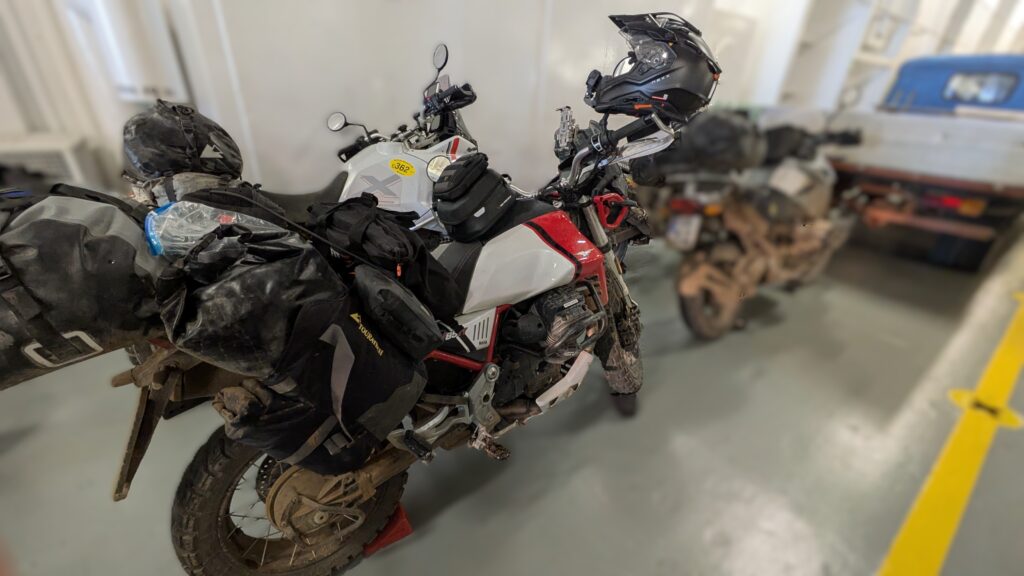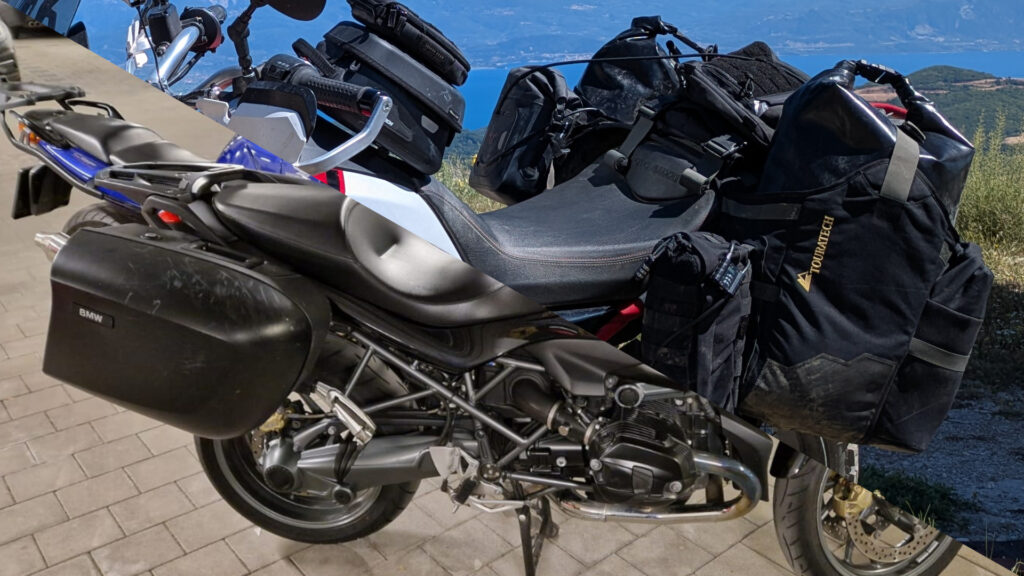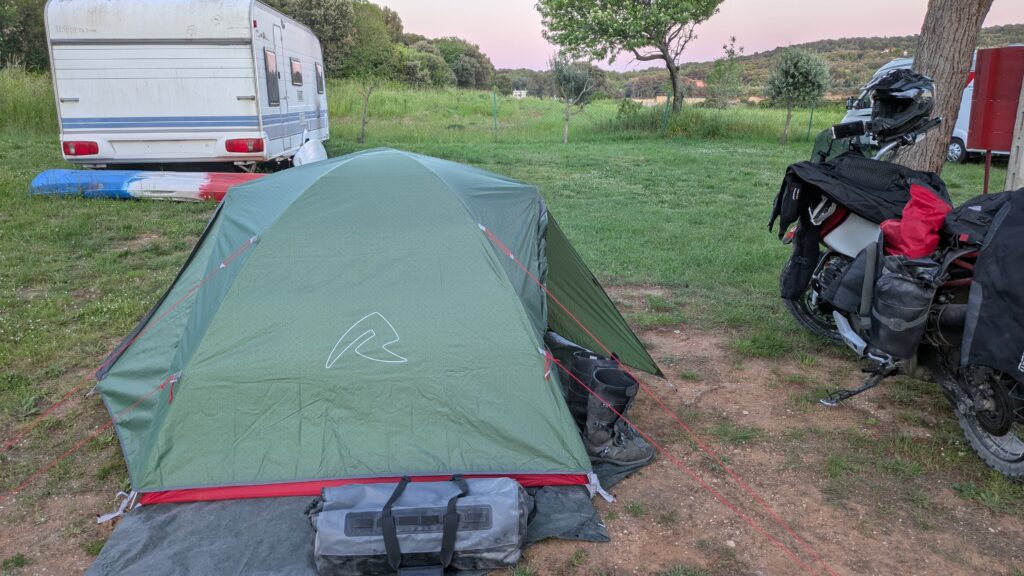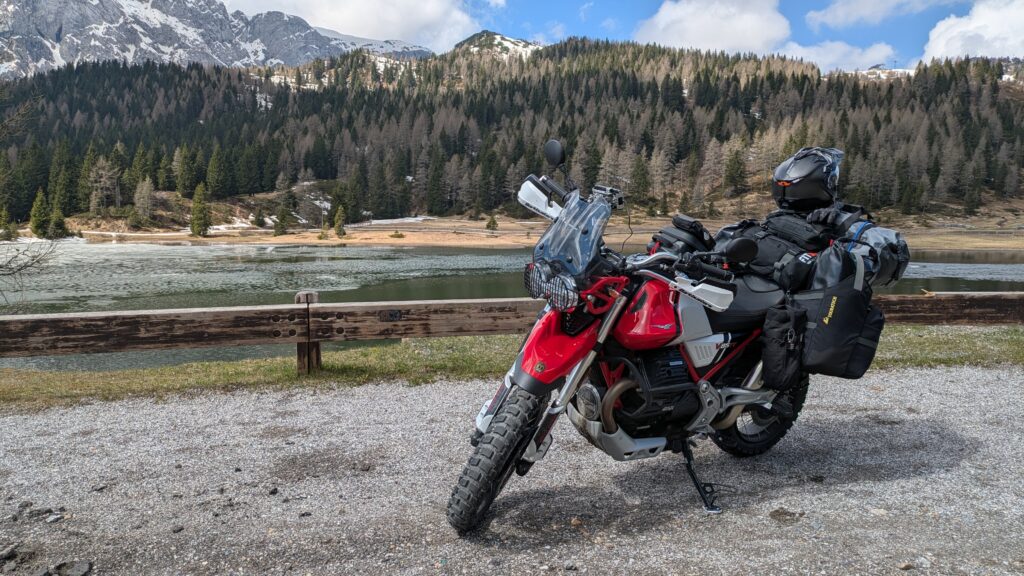
Spring motorcycle travel in Europe offers empty roads, blooming landscapes, and affordable accommodation—but the weather can swing from sunny and warm to cold and rainy within a single day. I’ve been caught in snowstorms on alpine passes in May, ridden through torrential rain in the valleys, and sweltered in unexpected 25°C heat—all on the same trip. Spring’s unpredictability makes packing challenging: bring too much and you’re overloaded, pack too little and you’re miserable when conditions turn bad.
The key to successful spring packing is layering versatility and weather protection without carrying winter gear you probably won’t need. You’re not preparing for Arctic conditions, but you do need to handle morning temperatures near freezing in the mountains, afternoon warmth in the valleys, and the strong possibility of multi-day rain systems. Unlike summer touring where you can get away with minimal gear, spring requires thoughtful packing that balances weight, space, and preparedness.
This guide covers exactly what to pack for April and May motorcycle touring across Europe—from essential riding gear and clothing layers to the often-overlooked items that make the difference between comfortable touring and struggling with conditions. Whether you’re planning a weekend trip or month-long adventure, these recommendations help you pack smart for spring’s variable weather! For a comprehensive packing list what to bring on your motorcycle trip look here.
Understanding Spring Weather Challenges in Europe
Spring temperatures in Europe can range from 0°C to 25°C in a single day, especially when riding through mountains. Altitude creates dramatic variations—a pleasant 18°C in the valley might be 3°C on the pass just an hour later. Regional differences matter enormously. The Mediterranean warms faster than Northern Europe. Southern Spain in April might see 22°C afternoons while Scandinavia struggles to reach 10°C.
Rain likelihood remains high in April and May across most of Europe. April showers aren’t just a saying—they’re a reality you’ll encounter. Multi-day rain systems move through regularly, and afternoon thunderstorms appear suddenly in mountain regions. Snow persists on high alpine passes through May, with routes like Vršič Pass and Grossglockner not opening until late May.
Wind exposure increases during spring storms. Strong winds make cold temperatures feel even colder and challenge bike stability. Morning frost occurs even when days are pleasant—your bike seat might have ice on it at 7 AM before warming to comfortable riding by noon. This rapid weather change defines spring touring and drives your packing decisions. April generally requires heavier protection than May as winter transitions to summer, but both months demand preparation for variable conditions.
Riding Gear Essentials for Spring
Your helmet choice matters more in spring than summer. A full-face helmet provides essential cold and rain protection that open-face designs can’t match. Anti-fog visor inserts or Pinlock systems are absolutely essential—spring’s temperature variations create constant fogging issues. Breath guards help prevent visor fog, and you should verify the visor seal actually keeps rain out. Many cheaper helmets leak at speed in heavy rain. A neck warmer or balaclava transforms comfort on cold mornings, and earplugs remain important for all-day riding comfort.
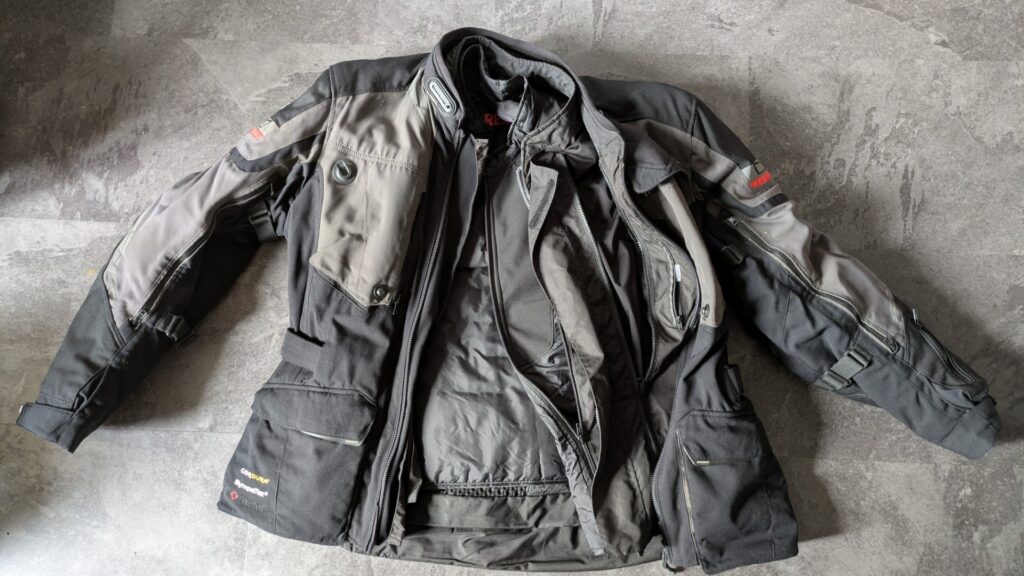
Textile riding jackets work far better than leather for spring conditions. Look for integrated waterproof membranes, not just water-resistant coatings. Removable thermal liners are essential—you’ll use them every morning and remove them most afternoons. Ventilation zips provide flexibility for warm periods. CE armor at shoulders, elbows, and back is standard safety equipment. The jacket should have a high collar with windproof closure, adjustable cuffs that seal properly at your gloves, and sufficient length to prevent gaps at your lower back when seated on the bike. Bright colors or reflective elements improve visibility during spring’s frequent rain and low light conditions.
Riding pants need the same weatherproof approach as jackets. Textile pants with removable thermal liners and waterproof membranes handle spring’s range. CE armor at knees and hips provides protection. Ensure pants are long enough when you’re seated on the bike—too short and cold air rushes up your legs. Adjustable waists accommodate layering base layers underneath on cold days. Ventilation zips help during warm afternoons, and ankle adjustments should seal properly over your boots. Some riders use riding jeans with separate rain pants as a budget option, but dedicated textile riding pants with integrated protection work better.
Gloves present spring’s biggest challenge, and this is where you absolutely need multiple pairs. Primary waterproof touring gloves with thermal lining handle cold, wet mornings. These should have knuckle protection, touchscreen-compatible fingertips for navigation, and maintain good grip and feel. But you also need lighter summer gloves for warm afternoons and thin liner gloves for layering on extremely cold mornings.
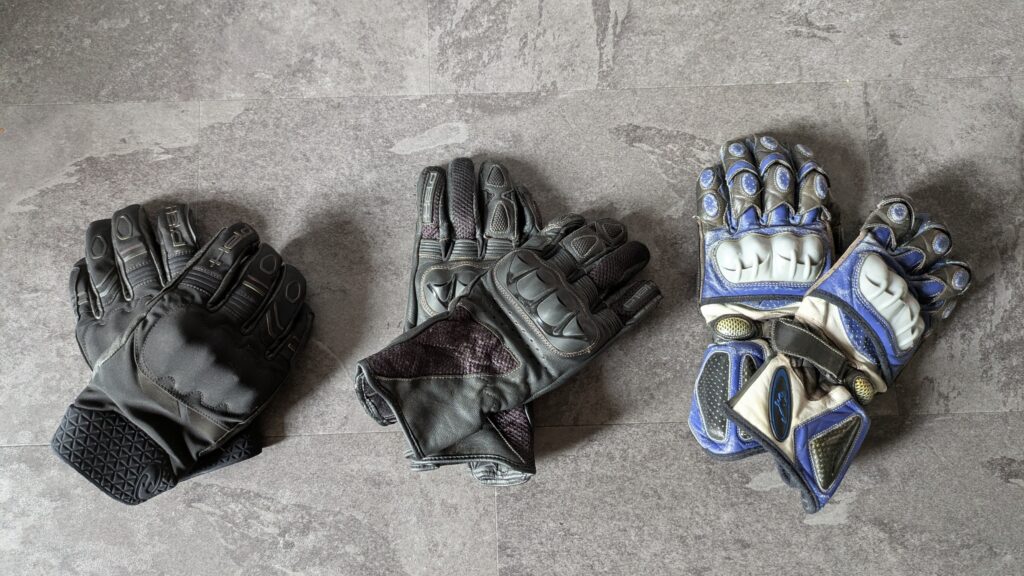
I learned about glove backup the hard way during an April trip through the Balkans. My waterproof gloves got soaked during a full day of rain. Despite trying to dry them overnight in the hotel room, they were still damp the next morning when I needed to ride. Starting the day with wet gloves in 5°C temperatures was miserable—my hands went numb within thirty minutes. Since then, I always carry two pairs of waterproof gloves plus liners. If one pair gets soaked, the backup saves the next day. Wet gloves never dry overnight in spring conditions, and numb hands make riding dangerous.
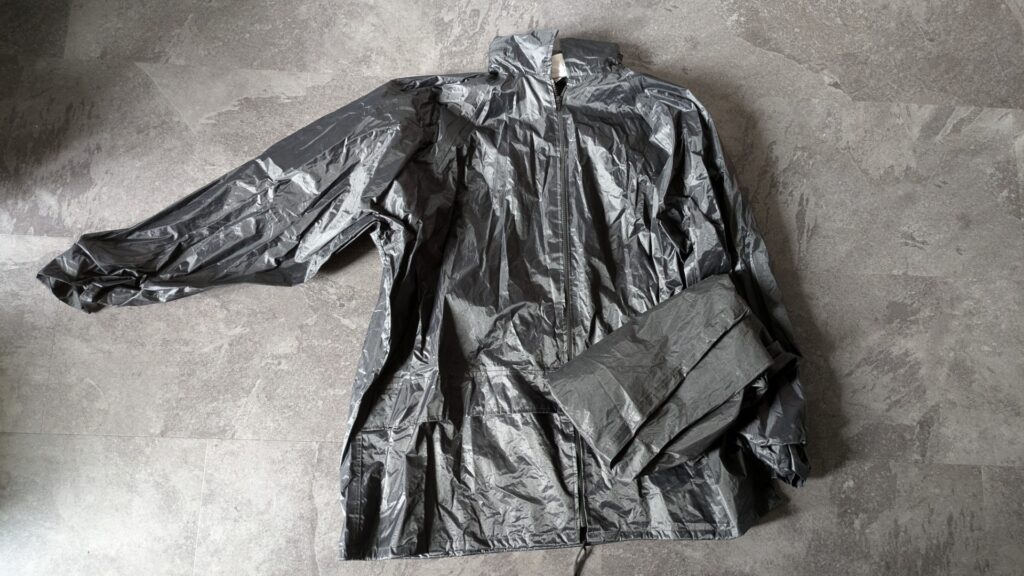
Boots must be genuinely waterproof—not water-resistant, but actually waterproof with sealed seams. Ankle protection and support are essential for safety. Good soles matter for walking during sightseeing stops. Spring-specific considerations include insulation for cold mornings but breathability for warm afternoons. Easy on-off features help with frequent stops. Even with waterproof riding gear, carrying dedicated lightweight rain jacket and pants provides backup protection. Riding gear labeled “waterproof” often means water-resistant, and extended rain overwhelms integrated protection. Rain gear is cheaper to replace than technical riding equipment and provides extra wind protection layers.
Layering System for Variable Temperatures
Base layers form your foundation. Use moisture-wicking materials like merino wool or synthetic fabrics—avoid cotton entirely since it stays wet and provides no insulation when damp. Long-sleeve tops and pants wick sweat from your skin while providing the first insulation layer. These should be comfortable against skin all day and quick-drying if they get wet. Pack 2-3 base layer tops and 1-2 base layer pants. These can double as sleepwear in cold accommodation.
Mid-layers provide adjustable warmth. Fleece jackets, thin down jackets, or synthetic insulated jackets work under your riding jacket when cold and can be worn at camp or hotels. Down compresses incredibly small, making it excellent for limited luggage space. Fleece breathes better and works when damp. Choose based on your cold tolerance, but one good mid-layer is sufficient. The ability to add or remove this layer throughout the day lets you adapt to changing conditions without stopping to completely repack.
Your riding jacket serves as your outer layer when on the bike. For off-bike time, a lightweight packable rain jacket or wind shell layers over everything for evening walks in towns. This redundancy ensures you have weather protection even when your riding gear is drying or if you want to explore without wearing full motorcycle equipment.
Off-Bike Clothing and Personal Items
Casual clothes for evenings and rest days should be minimal. Pack 2-3 t-shirts or casual shirts, one long-sleeve shirt, and a light sweater or hoodie for tops. For bottoms, 1-2 pairs of casual pants or jeans suffice, with shorts being optimistic but potentially useful for warm May days. Choose quick-dry fabrics in neutral colors that mix and match easily. These should be comfortable for walking since you’ll explore towns and attractions on foot.
Base layers can double as sleepwear, eliminating the need for separate sleep clothes. However, pack a separate set if you prefer. Camp shoes or lightweight sandals provide essential relief from riding boots. These handle walks to bathrooms, short errands around camp or hotel, and evening strolls. Your feet will appreciate the break from boots.
Pack 4-5 pairs of underwear in quick-dry materials. Riding socks should be thick and moisture-wicking—pack 4-5 pairs. Add 2-3 pairs of casual socks and one pair of warm wool socks for potentially cold nights. The strategy is pack less and wash more often rather than carrying two weeks of clothes. Laundry services exist throughout Europe, and hotel sinks handle small washing needs.
Essential Accessories and Small Items
Navigation requires your phone with offline maps downloaded before the trip. A secure motorcycle phone mount that won’t vibrate loose is essential. A power bank with 10,000+ mAh capacity ensures your phone stays charged even when riding all day without access to power. Bring appropriate charging cables and adapters. If you’re from outside Europe, an EU plug adapter is necessary since European outlets differ from other regions.
Bluetooth communicators are optional but valuable for navigation audio, music, and communication with riding partners. Keep headphones for off-bike entertainment. Store digital copies of important documents in cloud storage, but also carry physical copies in a waterproof bag as backup. Registration, insurance, and your International Driving Permit if required should all be accessible and protected from water.
Personal care items should be minimal. Travel-size toothbrush and toothpaste, biodegradable multipurpose soap, and a small microfiber towel cover basics. Sunscreen with SPF 30 or higher and lip balm with SPF protect against spring sun, which can be surprisingly strong at altitude. A basic first aid kit, any prescription medications, pain relievers, antihistamines for allergies or insect bites, anti-diarrheal medication, and blister treatment handle common issues.
Small grooming items like a razor and nail clippers round out personal care. Tools and motorcycle maintenance items include your bike-specific tool kit, tire pressure gauge, tire repair kit, and chain lube. Carry a microfiber cloth for cleaning your visor. Zip ties and duct tape solve numerous problems. Spare items should include a spare key stored separately from your main key, spare fuses, a headlight bulb, and replacement clutch or brake levers if you have aftermarket options.
Luggage Organization for Spring Gear
Pack frequently needed items in accessible locations. Rain gear deserves top accessibility since you’ll use it regularly. Neck warmer or balaclava, extra gloves, and phone charger should be easy to grab without unpacking everything. Daily use items like toiletries, off-bike clothes, and electronics should have easy access. Less frequent items like extra base layers, tools, spare parts, and backup clothing can be packed deeper in your luggage.
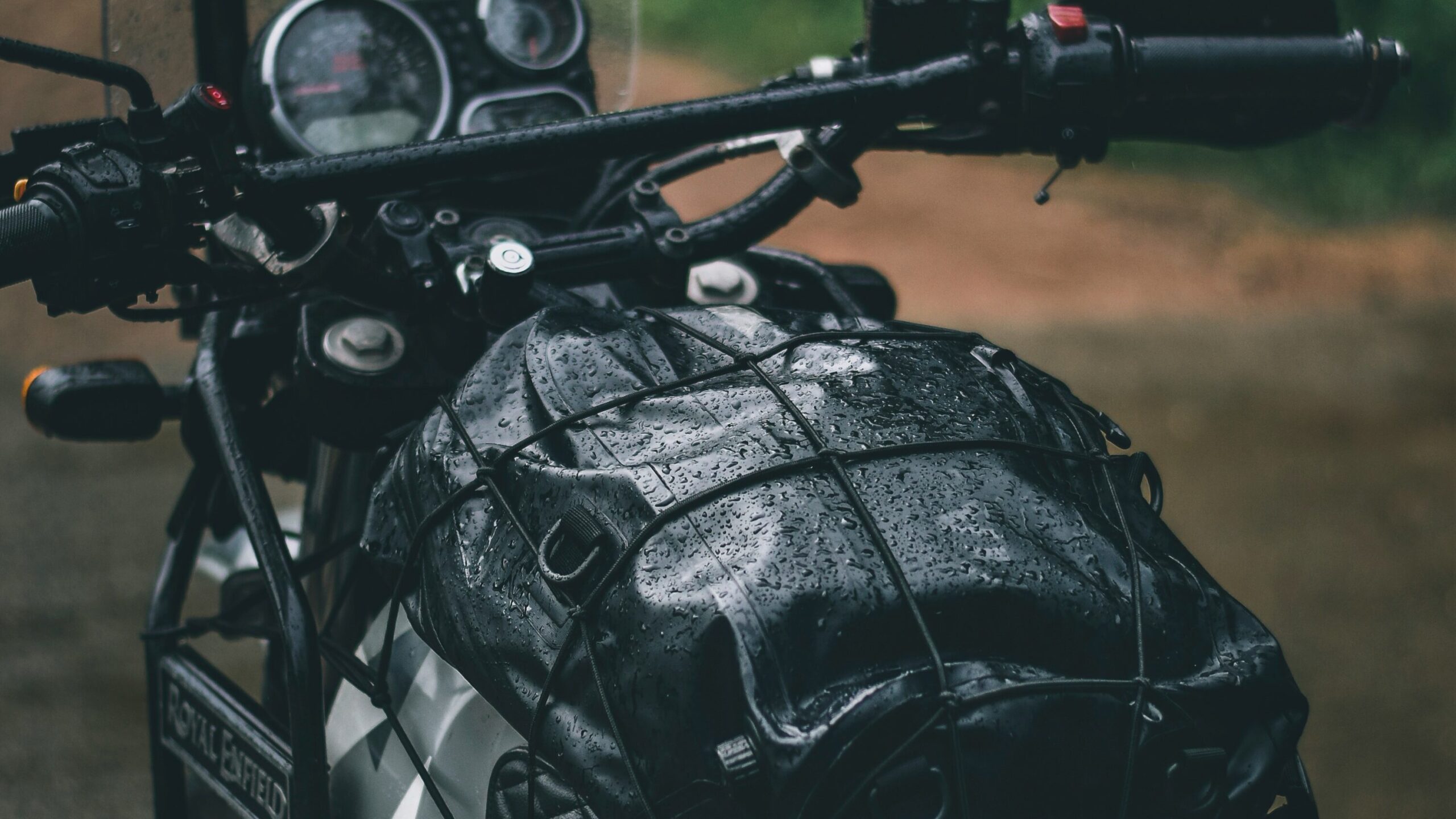
Waterproof everything even if you have waterproof luggage. Use dry bags for clothing, ziplock bags for electronics, and separate bags for dirty or wet items. Keep documents in waterproof cases. Spring rain can last for days, and water finds its way into supposedly waterproof panniers through openings and seals. Wet clothes mixed with dry clothes in luggage create misery. Electronics need double protection since moisture damage is permanent.
Distribute weight properly with heavy items like tools and spare parts low and centered in panniers. Light and bulky items like rain gear and extra clothing go in top cases or tail bags. Balance weight equally left and right, and ensure nothing can shift while riding. Unbalanced or shifting loads affect handling and safety.
What NOT to Pack for Spring
Leave heavy winter jackets at home—your riding jacket with liner provides sufficient warmth. Multiple pairs of jeans are too heavy and dry slowly. Avoid all cotton clothes. You don’t need more than one pair of casual shoes—riding boots plus sandals or casual shoes suffice. If you’re not planning to camp, don’t carry full camping setup. Physical books add weight—use your phone or e-reader. Minimize electronics to essentials. Resist “just in case” items you’ll realistically never use.
Apply the one-week rule: if you won’t use something in the first week, you probably don’t need it. Laundry services are available throughout Europe. You can buy most forgotten items on the road except specific motorcycle parts. Overpacking is the most common mistake, and the weight penalty affects your bike’s handling and your fuel economy.
Regional Packing Adjustments
Mediterranean spring in Spain, Portugal, Greece, and southern Italy requires less insulation. Lighter gloves often suffice, and you’ll use more sunscreen. Rain gear remains essential despite the southern location—April showers happen everywhere. Shorts become more likely to be useful. Alpine spring in Switzerland, Austria, Slovenia, and northern Italy demands extra warm layers. Assume snow is possible on high passes even in May. Heavy gloves are essential, rain gear is absolutely necessary, and morning frost is common.
Balkans spring covering Croatia, Albania, Bosnia, and Montenegro falls between Mediterranean and Alpine in requirements. Versatile mid-layers prove important, rain gear is very important due to wet springs, and coastal versus mountain regions have different needs. Northern European spring in Scandinavia and the Baltics requires your warmest layers. May brings extremely long daylight hours. Rain gear is critical, less sun protection is needed than southern regions, and mosquito repellent becomes important in late May.
Conclusion
Spring motorcycle touring in Europe rewards those who pack smart for variable conditions. The weather will test your preparation—morning frost, afternoon warmth, unexpected rain, and sunny breaks all in the same day. But with the right layering system, quality rain protection, and thoughtful organization, you’ll handle whatever spring throws at you without being overloaded with unnecessary gear.
Focus on versatile pieces that work in multiple conditions. Your riding jacket with removable liner handles cold mornings and warm afternoons. Base layers work for riding, sleeping, and casual wear. Multiple glove options cover the temperature range. Dedicated rain gear protects when integrated waterproofing isn’t enough. This approach keeps your luggage manageable while ensuring you’re prepared for spring’s unpredictability.
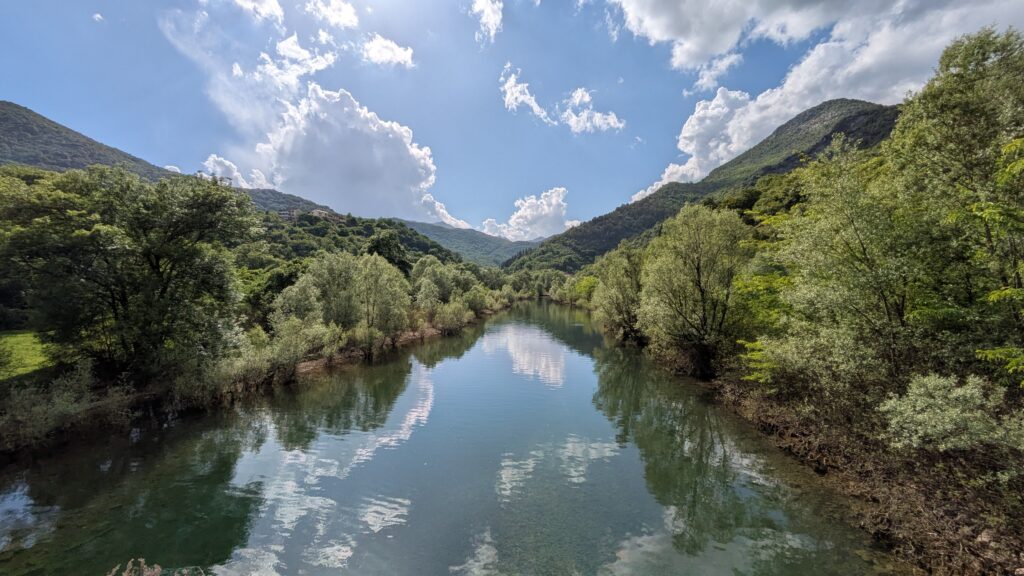
Remember that spring’s challenges—empty roads, affordable prices, blooming landscapes—make it one of the best seasons for European motorcycle touring. The weather requires more thought than summer touring, but the rewards of uncrowded roads and authentic experiences justify the extra packing consideration. Pack these essentials, stay flexible with your daily plans when weather turns bad, and enjoy some of Europe’s best riding before the summer crowds arrive.
What essential items would you add to this spring packing list? Any gear that saved you during unpredictable spring weather? Share your recommendations in the comments to help fellow riders pack better for their spring adventures!