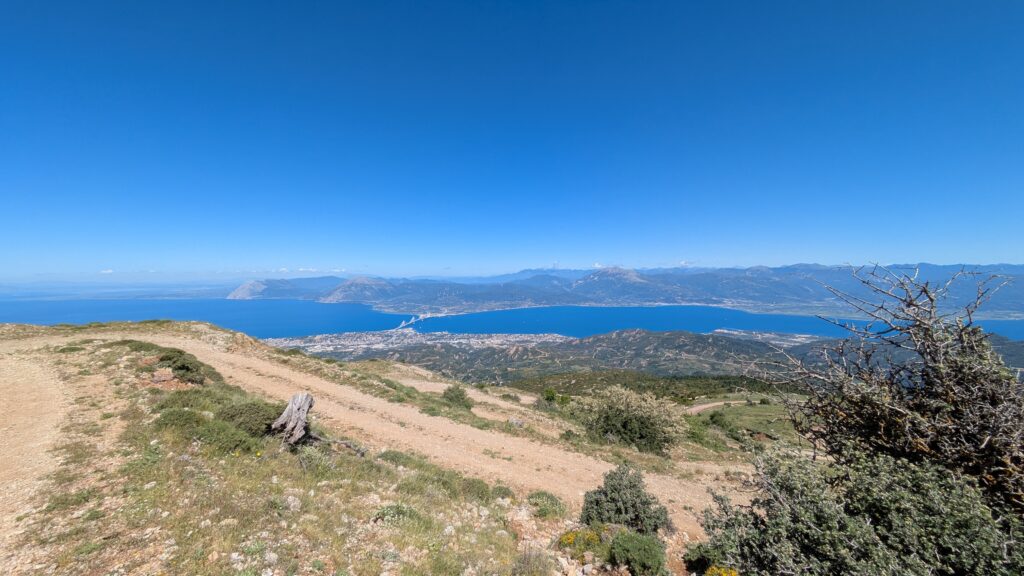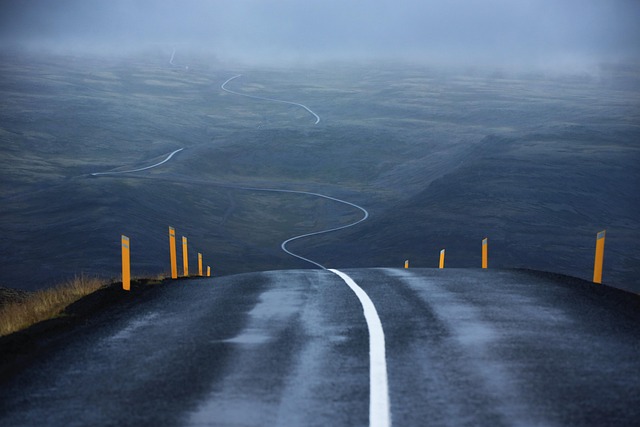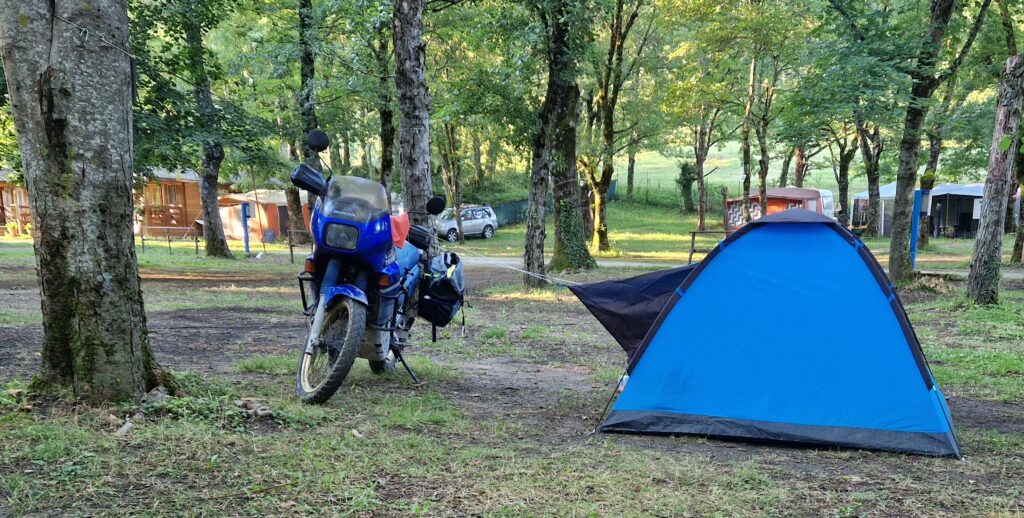
There’s a version of this conversation that happens in every riding group, usually sometime in spring. Someone floats the idea of a weekend away on the bikes. Immediately someone else says there isn’t enough time to do anything properly — two days isn’t enough to get anywhere worth going. And so the weekend passes without anyone going anywhere.
That thinking is wrong. Not slightly off — fundamentally wrong. A motorcycle weekend trip isn’t a compressed version of a two-week tour. It’s a different format with its own logic, its own rules, and — when you plan it right — its own particular quality that longer trips don’t always deliver. The problem isn’t the two days. The problem is using the wrong framework to think about them.
This guide is about the right framework. Whether you’ve done dozens of motorcycle tours or this is your first time considering an overnight trip on the bike, the principles are the same. Two days on the road. Make them count.
Why a Weekend Is Enough
The no dead mileage principle
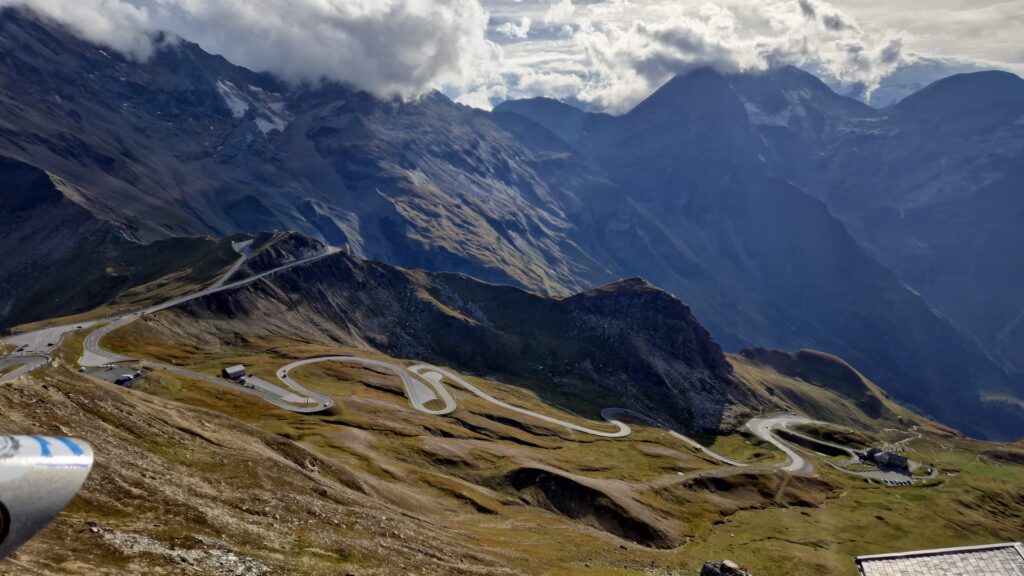
Every kilometer you cover on a motorcycle weekend trip is doing one of two things: getting you to a road worth riding, or being a road worth riding. That’s it. Dead mileage — kilometers that are neither — is the enemy of a short trip. On a two-week tour you can absorb a dull transit day because there are twelve more days ahead. On a weekend, a dull transit leg doesn’t cost you time. It costs you the trip.
The no dead mileage principle sounds obvious once you say it out loud. But most weekend trips fail because the planning ignores it. The destination gets chosen first, the route gets built around reaching it, and nobody asks whether the kilometers themselves are worth riding.
What makes a weekend feel like a proper trip
It isn’t distance. It isn’t how many countries you crossed or how many kilometers you logged. It’s whether you come home with at least one road — one stretch of tarmac or gravel that made you think: that was why I came.
I still think about a Saturday morning in Bovec. On the bike before the valley woke up, riding along the Soča — that river running its impossible green below the road, the light still low between the ridgelines. No dramatic plan. Just an early start and a road that turned out to be exactly the right one. That’s the moment a weekend trip earns its place.
Highlight density is the measure. One or two roads, places or moments that genuinely stay with you is the benchmark for a weekend well spent. Plan around producing those moments, not around hitting a mileage target.
What Are You Optimising For?
Before you touch a map, answer one question honestly: what do I actually want from these two days? The answer changes everything — destination choice, departure time, route logic, and how you’ll feel when you get home. There are two fundamentally different approaches, and conflating them is what turns a good plan into a disappointing weekend. If you haven’t planned a multi-day trip before, How to Plan a Motorcycle Trip covers the full foundation
You want to see something specific
A famous pass you’ve had on the list for years. A road a friend won’t stop talking about. A place that’s been on the horizon since you started riding. This approach is completely valid — but it comes with a condition attached: you have to accept the transit leg as the price of admission.
If the destination is specific and it requires two hours of motorway to reach it, those two hours are simply what it costs. Don’t fight them. Use them. Start Friday evening after work — arrive late, sleep, wake up already there. Use short stretches of fast road to escape your home territory quickly and reach the riding you actually came for. The journey starts when the transit ends, and the weekend still delivers.
You want to maximise riding enjoyment
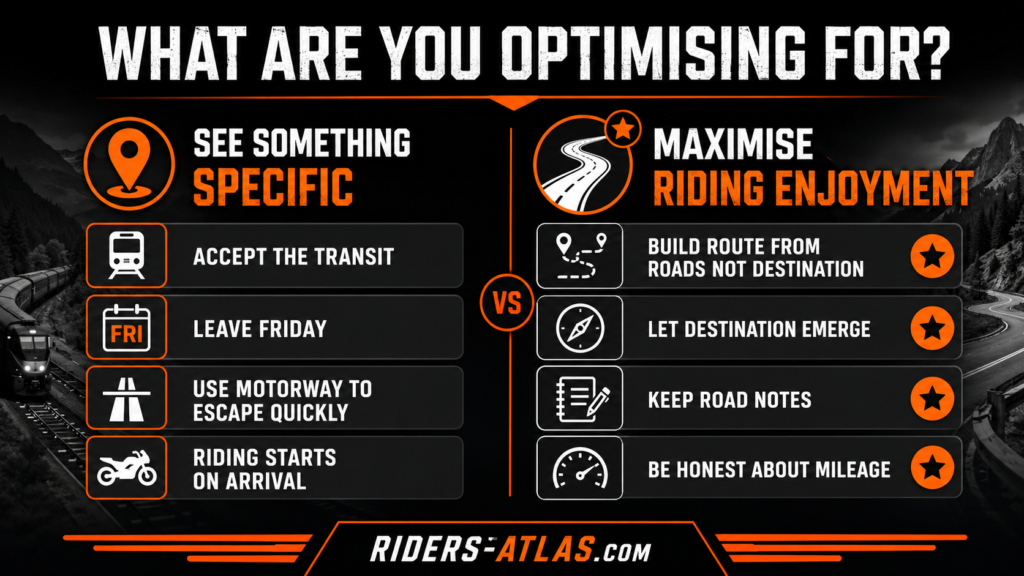
If the goal is the riding itself rather than a particular destination, the planning works in the opposite direction. Don’t start with a place — start with the roads. Open a map, find the twisty sections, and build a route that connects them. Let the destination emerge from the route rather than the other way around. It will often surprise you in the best possible way.
This approach rewards a habit that every touring rider should build regardless: keeping notes on roads you’ve enjoyed. A note in your phone, a circle on a paper map, a voice memo when you stop for fuel — it doesn’t matter how you do it. What matters is that every good road you ride gets recorded, because a great weekend route is usually just three or four of those roads joined up. The habit costs nothing to start and pays dividends every time you plan a short trip.
Be honest about your daily mileage when you plan this way. A route that looks compact on paper can become a chore if you’ve underestimated the time the interesting sections actually take. Build the route within your realistic range — not your optimistic one.
If this is your first overnight motorcycle trip, neither approach needs to be complicated. Pick a direction, pack something, go. Two days are short and you will learn more about what you actually need — and what you genuinely don’t — than any planning guide will ever teach you. The goal is to come home wanting to go again.
Choosing Your Departure Window
When you leave is a planning decision. Most riders make it by default — Saturday morning because that’s when weekends start. That’s fine sometimes, but there’s a better way to think about it.
Friday evening — arrive and be ready
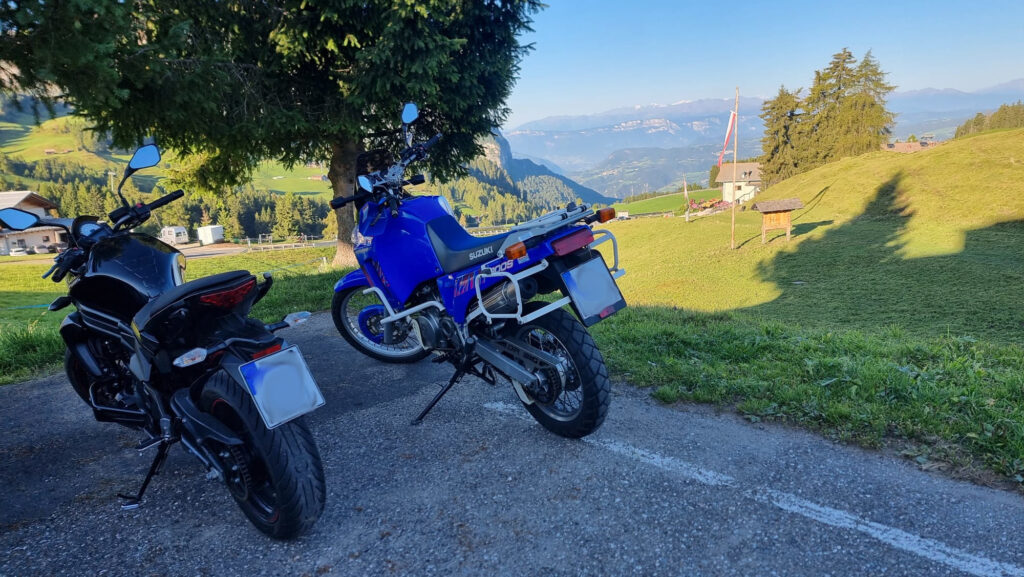
If the destination itself is the point — a specific pass, a famous road, a place that draws crowds — leaving Friday evening after work is almost always the right call. Yes, you arrive late. Yes, Friday night might be nothing more than dinner, a beer, and sleep. But Saturday morning you wake up already there, without the transit, without the traffic, with the whole day in front of you.
This matters most for destinations where Saturday morning traffic is a real factor. The Dolomites on a summer Saturday are a different experience depending on whether you’re already up on the passes at 7am or whether you’re fighting your way through the valley towns at 10am with everyone else. Arrive Friday, be riding by sunrise. The same kilometers feel completely different.
Saturday morning — when the road is the destination
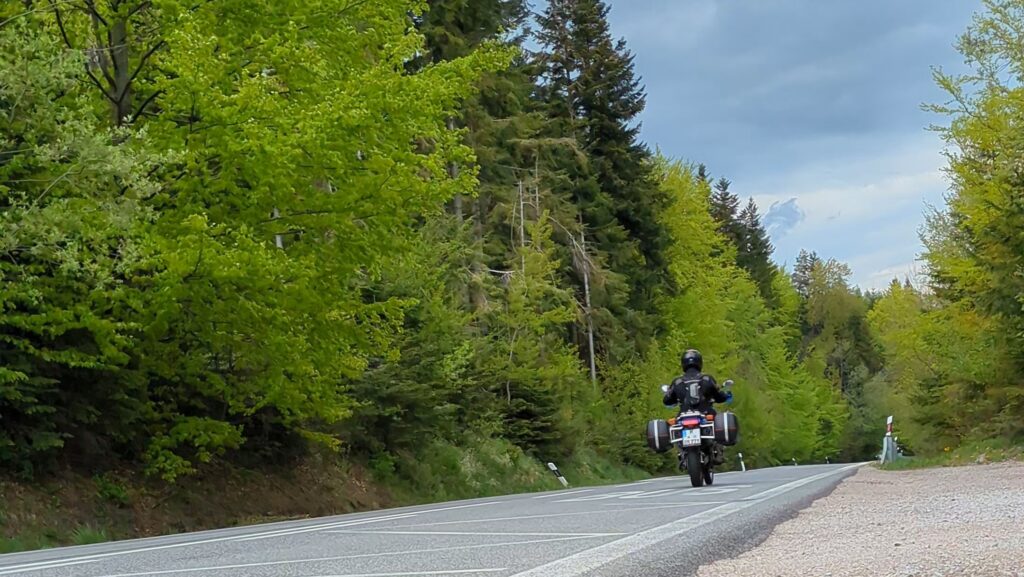
If you’re chasing riding enjoyment over a specific destination, and the roads you’ll travel on Saturday are themselves the experience, there’s no reason to sacrifice Friday evening. Leave early on Saturday — early enough to miss the commuter traffic — and let the first hours of the day be the best hours of the ride.
This works particularly well for routes where the journey to the destination is already the trip. Riding from Munich through the Bavarian Forest, for example — the road itself is the reason to be there. There’s no transit leg to endure. The riding starts when you leave.
Your launchpad matters — but less than you think
I’ll be honest: living in Munich, I’m unusually well placed for weekend motorcycle trips. The density of good riding within striking distance of a Saturday morning start is genuinely exceptional.
But the underlying principle holds regardless of where you live. The question is always the same: what’s within reach that eliminates dead mileage? Every region has roads worth riding. Finding them takes more research if you’re not based near mountains, but they exist. The no dead mileage principle is geography-independent.
Route Planning for a Short Trip
Working backwards from your daily mileage
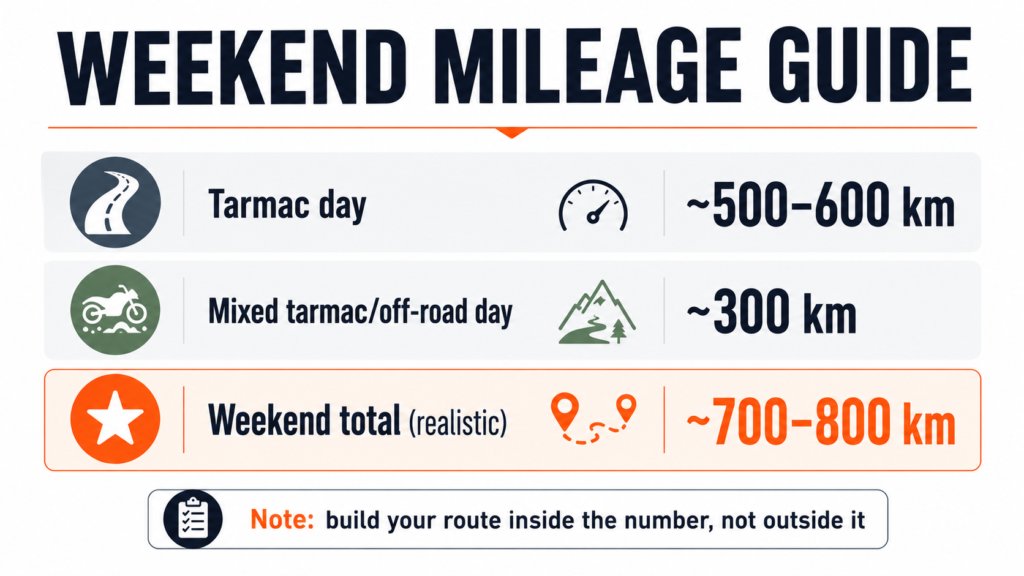
Before you plan the route, know your number. On tarmac, 500–600 km is a solid day’s riding for most experienced tourers — manageable without becoming a slog. Add off-road sections and that drops significantly, closer to 300 km, because the pace is slower and the concentration required is higher. For a weekend motorcycle trip in total, 700–800 km is a realistic and satisfying range for most riders.
Build your route inside that number, not outside it. A route that fits comfortably within your range means you can stop when something catches your eye, take an unplanned detour, sit with a coffee somewhere worthwhile, and still make your overnight stop without riding the last two hours in the dark under pressure. A route that stretches your range means all of those moments get cut.
Be honest with yourself here. The number you can cover without it becoming a chore is the right number. It isn’t the maximum you’ve ever done on a good day in perfect conditions.
Building a road notes habit
Keep a note of every road that delivers. The specific mountain pass that surprised you. The B-road through a valley that had no right to be that good. The coastal stretch that made you turn around and ride it again. Log it — phone, notebook, whatever works — with enough detail to find it again: a road number, a town name, a description.
Over time this becomes a personal library of raw material for weekend trips. Planning a route stops being a search from scratch and starts being a question of which roads from the list you can sensibly connect this time. The habit takes thirty seconds to maintain and fundamentally changes how quickly and confidently you can plan a short motorcycle tour.
Packing for Two Days
What stays at home
A weekend trip to accessible destinations has a different risk profile to a two-week tour through the Balkans. Act accordingly. The heavy toolkit, the spare parts assortment, the extensive first aid kit, the redundant rain layers — most of it stays at home. If something goes wrong two days from home, solutions are close. The problem is solvable. Pack for the trip you’re actually taking, not the worst possible version of a trip you’re not.
The short trip kit
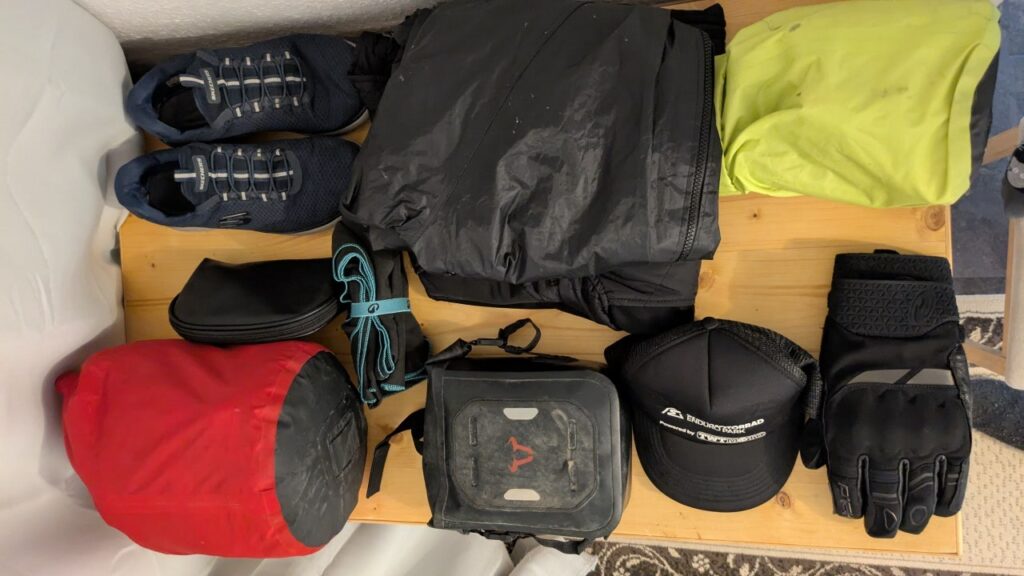
What actually goes: clothes for two days, basic hygiene articles, water, zip-ties, and a minimal toolkit. That’s the core. Everything else is optional, and most of it gets left out.
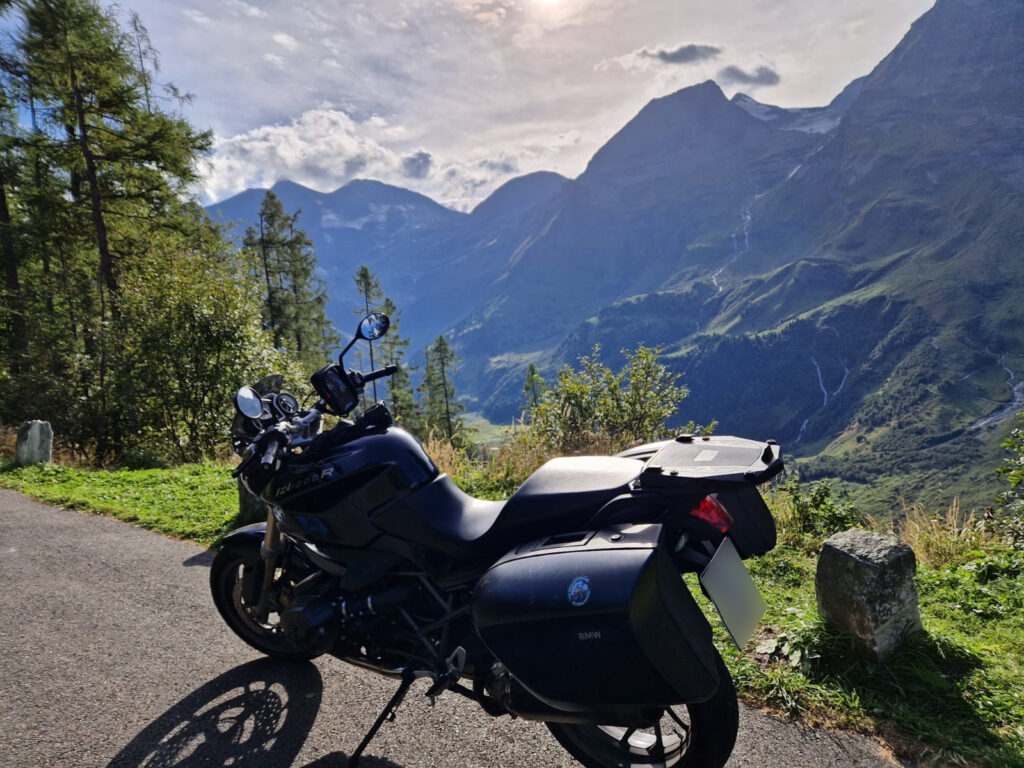
Travelling lighter also changes how the bike feels — and how the riding feels. A V85 TT or a BMW R 1200 R loaded for a weekend handles noticeably differently to the same bike loaded for a fortnight. The difference is real and worth experiencing. Pack only what you need, and notice what that does to the ride.
If you’re not sure what to bring, start with less than you think you need. You’ll find out quickly what was missing — and that list is almost always shorter than you expected. See What to Pack for Spring Motorcycle Travel for a baseline kit to work back from.
The Weather Decision
Weather has an outsized effect on a short trip. On a two-week tour, a storm on day three is an inconvenience — you adapt, you wait it out, you have eleven more days. On a weekend trip, a storm on day one is potentially the entire weekend. Get the weather decision right.
When to go anyway
Rain that’s moving through, a grey morning that’s forecast to clear, overcast conditions with no precipitation — these are manageable. The gear exists for a reason and wet riding on a good road is still good riding. If the forecast is unpleasant but not dangerous, the default answer is go. You can always stop earlier than planned. You almost never regret having gone.
When to stay home
Last year I’d been planning a first proper off-road weekend with Dervisa’s stablemate Ludmila, the DR 800 S. I’d sourced a set of old fairings specifically so I wouldn’t be heartbroken if she went down on unfamiliar terrain. Second wheel set, knobbly tires, route sorted, accommodation booked. Two days before departure the forecast shifted — what had looked like light rain was now tracking as a serious storm directly over the destination for the entire weekend. I sat with it for a day, convinced myself it might not be that bad, and then checked the forecast one more time and cancelled.
The storm arrived exactly as predicted. A weekend of riding in those conditions wouldn’t have been unpleasant — it would have been genuinely dangerous, on terrain I didn’t know well, on a bike I was still learning. Staying home was the right call, made slightly too late in the decision process.
The lesson: a bad weather weekend isn’t a lost weekend. It’s a rescheduled one. The road will still be there in two weeks. Make the call early, make it based on the actual forecast rather than the forecast you’d prefer, and book the same trip again before the week is out.
Making It Feel Like a Trip, Not a Chore
Everything above is in service of one thing: coming home feeling like you actually went somewhere. That feeling is available on a weekend. It isn’t guaranteed by default.
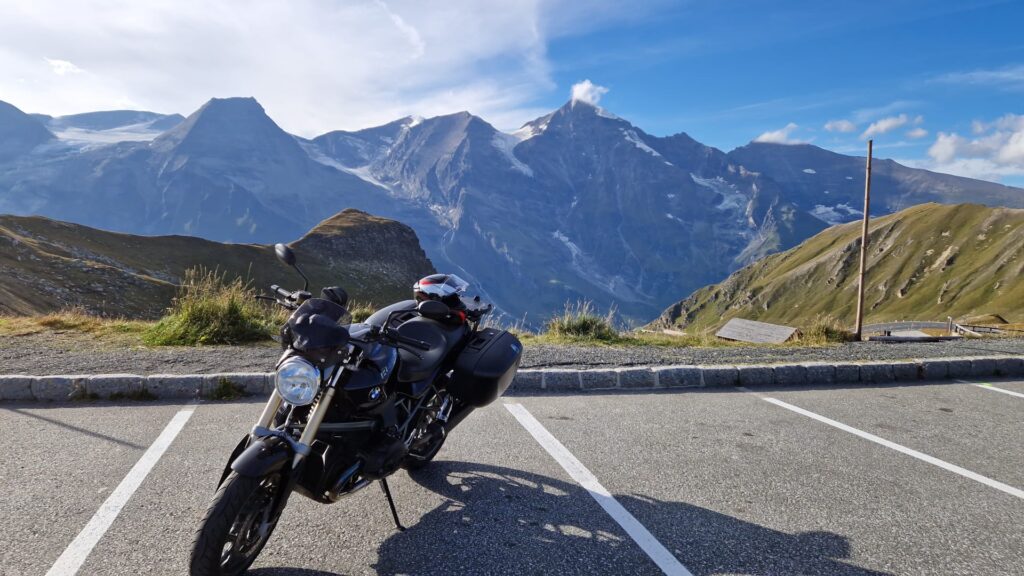
The benchmark, for me, is a weekend I did on the BMW R 1200 R — a proper road bike, no concessions to anything other than tarmac. The route crossed the Gerlospass, the Grossglockner, and the Nockalmstraße in a single day. Three passes that could each justify a dedicated trip on their own, compressed into one long day of riding with no dead mileage between them — every kilometer either climbing toward something or descending away from it, with nothing ordinary anywhere in the route.
That’s the benchmark: highlight density. Not how far you went. Not how many days it took. How many moments per kilometer made you glad you were on a motorcycle. A weekend built around that principle doesn’t feel like a short trip. It feels like exactly the right length.
A Word on Camping
Camping on a weekend motorcycle trip can be genuinely good — especially if you’re based near terrain where a site in the mountains or beside a lake is part of the experience rather than just a cheaper alternative to a hotel. For riders within easy reach of the Alps, an overnight at altitude is one of the better things a short trip can deliver.
But it reduces daily mileage, adds planning overhead, and depends heavily on where you’re riding from. If your route already includes a long transit leg, adding a campsite to the logistics can tip the balance from enjoyable to complicated. A clean guesthouse with secure parking often makes more sense on a tight schedule.
Know what you’re optimizing for, and decide accordingly. Camping for the experience is worth it. Camping to save 30 € on a two-day trip might not be.
Two Days Is Enough
A motorcycle weekend trip isn’t a short version of a longer tour. It’s its own format with its own logic. Get the departure timing right. Be honest about your daily mileage. Eliminate dead kilometers wherever you can. Pack only what you need and leave the rest at home. Make the weather call early and make it based on facts.
Do those things and two days on the right road is enough. It’s always been enough. The riders who say otherwise are planning the wrong kind of weekend — and missing some excellent riding in the process.
When you’re ready to turn a strong weekend into a longer Balkan adventure, Balkan Motorcycle Route: Plan Your Best 2-Week Trip is the next step.