So you’re planning a long motorcycle trip and staring at luggage options online, wondering if you should drop €1,000+ on hard panniers or go with soft bags for a fraction of the price. Trust me, I’ve been there! The luggage debate Hard Panniers vs Soft Luggage is one of the most discussed topics in motorcycle touring circles, and for good reason—your choice affects everything from how your bike handles to whether your clothes stay dry in a downpour.
Here’s what makes this decision tough: both systems have genuine advantages. Hard panniers offer unmatched security and weather protection, but they’re expensive and add significant weight. Soft luggage is affordable and flexible, but it won’t protect your gear as well and might not last as long. There’s no universally “right” answer—it depends on your riding style, budget, and the type of trips you’re planning.
In this guide, I’ll break down the real-world pros and cons of each system based on actual touring experience across Europe. We’ll talk about durability, cost, convenience, and all those details that matter when you’re living out of bags for weeks at a time. Whether you’re planning a two-week vacation or a year-long adventure, understanding these differences will help you make the choice that’s right for your journey!
What Are Hard Panniers and Soft Luggage?
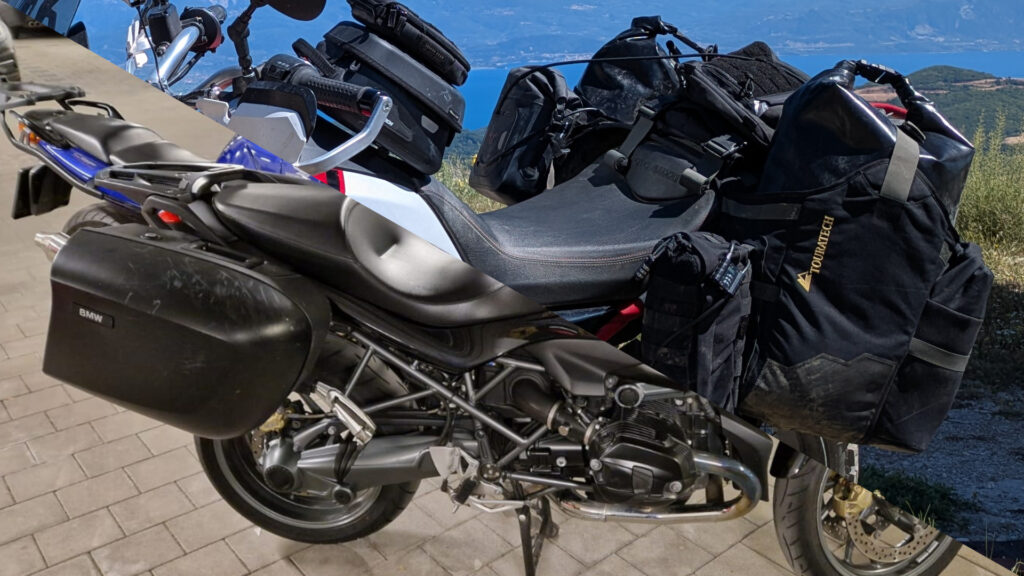
Let’s start with basics. Hard panniers are rigid cases made from aluminum, plastic, or composite materials that mount to dedicated rack systems on your motorcycle. Think Givi, SW-Motech, Touratech, or the OEM options from BMW and other manufacturers. They’re lockable, waterproof boxes that stay mounted to your bike.
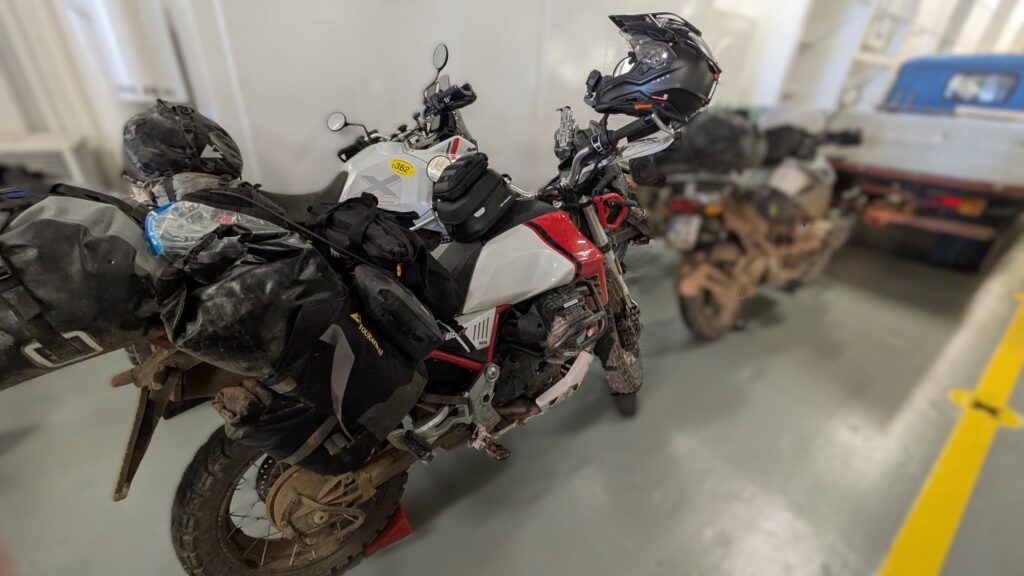
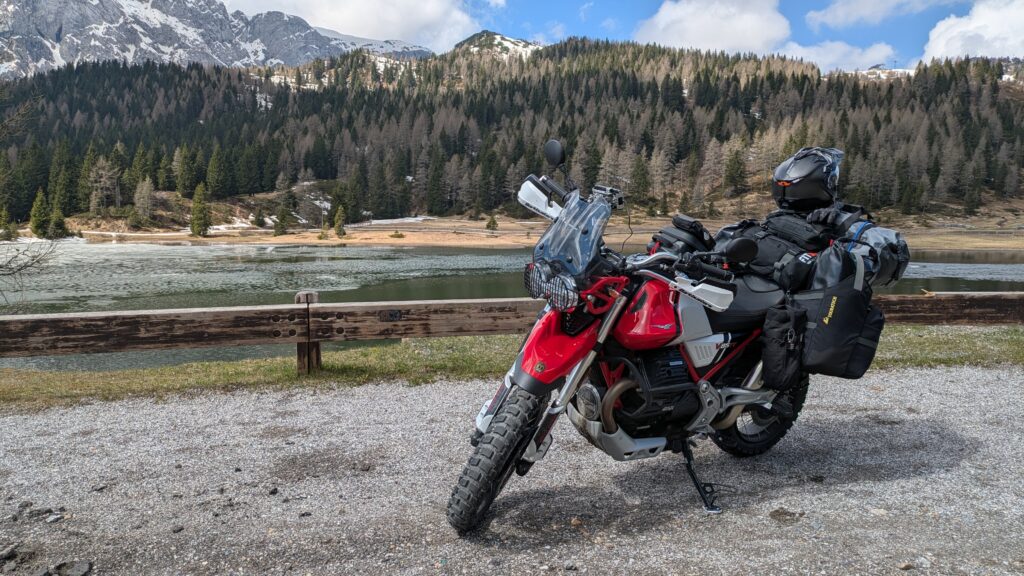
Soft luggage is the fabric option—typically made from heavy-duty nylon or Cordura material. Brands like Kriega, Ortlieb, Mosko Moto, and Wolfman dominate this space. These bags use various mounting systems, from throw-over saddlebags to strap-on designs to more sophisticated quick-release systems. Some don’t require any mounting hardware at all.
There’s also a middle ground of semi-rigid bags that try to combine benefits of both, but for this comparison we’re focusing on the two main categories. The choice matters more for long-distance touring than day trips because you’ll be living with the consequences—good or bad—for weeks at a time.
Hard Panniers – The Advantages
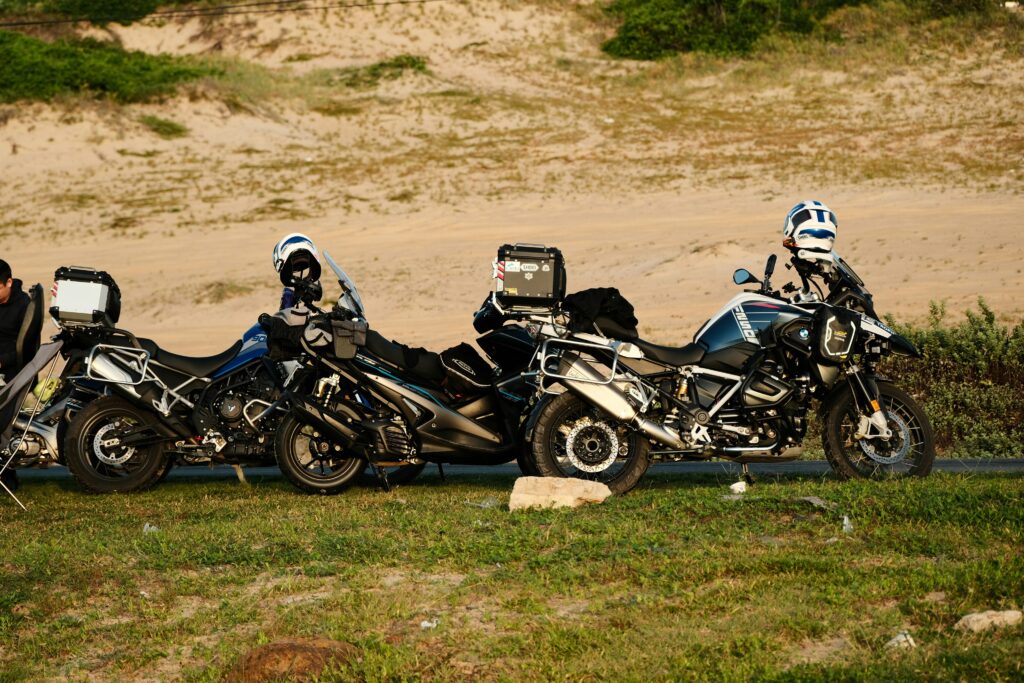
The security factor is huge. Being able to lock your gear and walk away from your bike is genuinely liberating. Need to grab coffee? Check into a hotel? Explore a town on foot? Your stuff is secured. In cities where motorcycle theft is common, this peace of mind is worth a lot. Plus, some insurance policies treat secured luggage differently than unsecured bags.
Weather protection is where hard cases truly shine. They’re 100% waterproof—no rain covers needed, no worrying about seams leaking, no water-logged bags. I’ve ridden through absolute downpours where other riders were frantically checking if their electronics survived, and I didn’t think twice about it. Cross a stream? No problem. Everything inside stays bone dry.
Durability is another major plus. Quality hard panniers can last a decade or more with proper care. They handle tip-overs, crashes, and rough roads better than fabric. Sure, aluminum dents and plastic cracks, but they protect your gear in the process. Many manufacturers sell replacement parts too, so you can fix damage rather than replace entire cases.
The convenience features are nice. Depending on design, you can access them without dismounting. Some serve as passenger backrests. Many have internal organization pockets. And when you need to walk around with your luggage, quality hard cases work reasonably well off the bike too.
Hard Panniers – The Disadvantages
Let’s talk about cost, because it’s the first barrier most riders hit. A quality hard pannier system runs €800-€1,500, and that’s before mounting racks which add another €200-€400. If you change bikes, you’ll likely need new bike-specific racks. Budget options exist, but they often have quality issues that defeat the purpose of hard cases.
Weight is a real consideration. You’re adding 15-25 kilograms to your motorcycle before packing a single item. On a big touring bike, that’s manageable. On a smaller adventure bike or anything under 500cc? It noticeably affects handling, makes the bike harder to pick up when dropped, and reduces your payload capacity for actual gear.
The bike-specific mounting requirement can be frustrating. You need the right rack for your exact motorcycle model, which limits flexibility. Not all bikes have good solutions available. And if you want to swap bikes mid-trip or borrow a friend’s motorcycle, your expensive luggage system stays behind.
Width is a practical issue people don’t always consider until they’re trying to squeeze through narrow European village streets or split lanes in traffic. Hard panniers add serious width to your bike. They get caught on obstacles off-road, make ferry loading more complicated, and create more wind resistance at highway speeds.
The scratch marks on both of my hard pannier sets tell countless storys from when i forgot how much wider the bike is with them – hitting guardrails, walls or scratching the asphalt when leaning over too far. The width of hard panniers isn`t just an inconvenience from time to time, it`s also dangerous if you forget them.
Soft Luggage – The Advantages
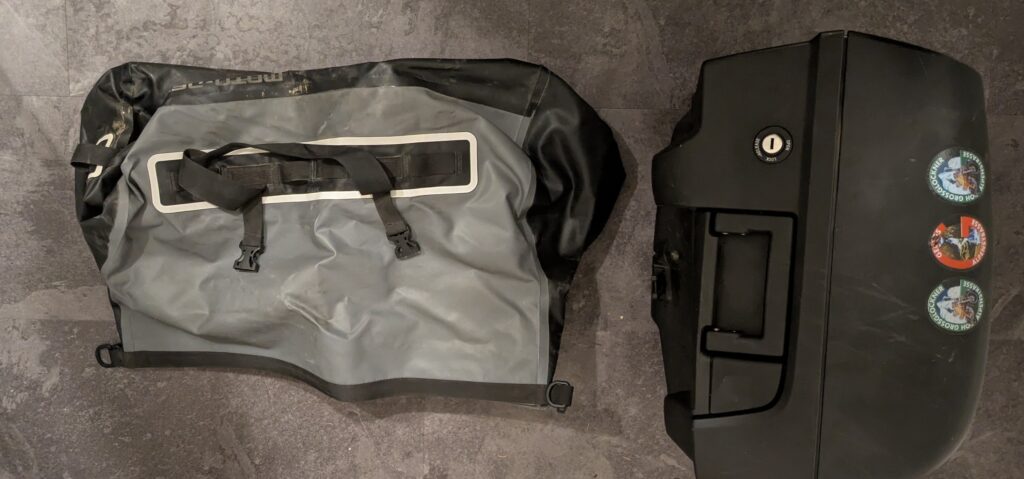
Affordability is the obvious winner. You can get a quality soft luggage system for €200-€600, and most designs don’t require expensive mounting racks. For riders who tour occasionally or those just getting started, that lower barrier to entry makes sense. Why invest €1,500 if you’re not sure how much touring you’ll actually do?
The weight savings are significant—typically 5-10 kilograms lighter than equivalent hard panniers. That keeps your bike more nimble, improves fuel economy slightly, and makes recovery from drops much easier. On smaller displacement bikes, this weight difference can be the deciding factor.
Flexibility is underrated until you experience it. Soft bags compress when partially full, expand when you need more space, and adapt to irregularly shaped items. Need to carry a bottle of wine or an oddly-shaped souvenir? Soft luggage accommodates it. Hard cases? Not so much.
The versatility between bikes is fantastic. Most soft luggage works across multiple motorcycles with minimal adjustment. Throw-over designs literally need no mounting hardware. If you own multiple bikes or like to rent bikes while traveling, soft luggage moves with you. And off the bike, quality soft bags work as regular luggage better than hard cases.
Crash safety matters too. Fabric absorbs impact rather than transmitting force. It won’t trap your leg in a fall the way rigid cases can. Minor damage is often repairable with patches or stitching—you’re not looking at expensive case replacements after a low-speed tip-over.
Soft Luggage – The Disadvantages
Weather protection is the weak point. Most soft luggage claims to be “waterproof,” but seams can leak in sustained heavy rain. You’ll want additional waterproof liners or dry bags for electronics, documents, and clothes you want to keep dry. This adds cost, weight, and complexity. Some riders end up with soaked gear learning this lesson the hard way.
Security is a legitimate concern. You can’t lock soft bags, which means taking everything with you at every stop. Quick coffee break? Grab your bags. Hotel check-in? Haul everything inside. Restaurant dinner? Your luggage comes along. In high-risk areas, soft bags are attractive targets if left on the bike.
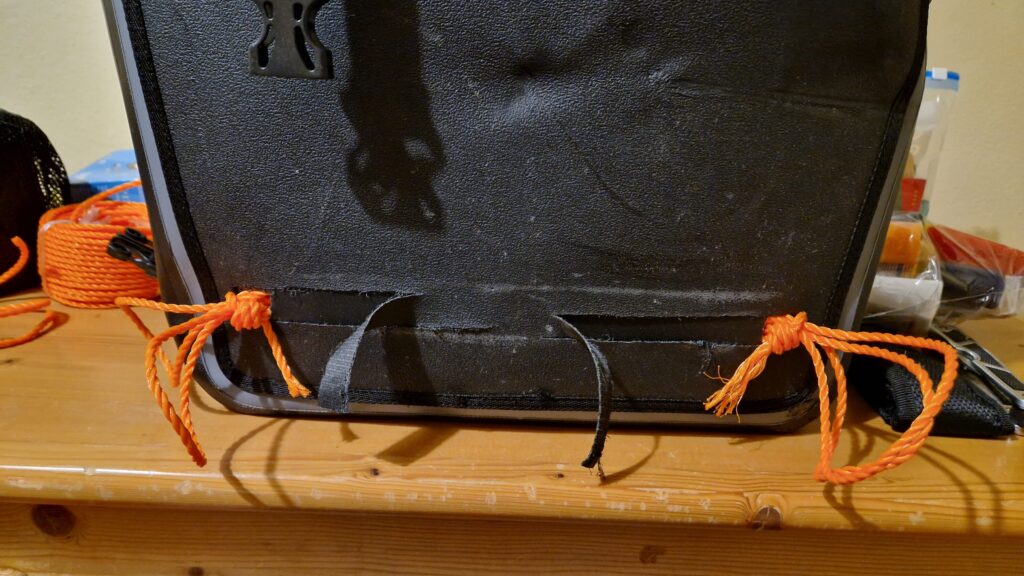
On the trips where i don`t want to take hard panniers (e.g. when i am sure to encounter a lot of unpaved sections) i secure my soft luggage with a 2m long cable connecting my luggage to the frame and locking it up with a padlock. With all the time this takes to set up every morning and every evening it still doesnt`achieve the same secureness than hard panniers.
Durability has limits. Even quality fabric wears through from abrasion eventually. Buckles break, zippers fail, UV exposure degrades materials over time. With heavy use, expect replacement every 3-5 years. Repairs are easier than with hard cases, but you’ll need them more frequently.
Mounting takes more effort. Straps need proper securing to prevent movement, and they can loosen over rough roads. There’s real risk of bags contacting hot exhaust pipes or wheels if not carefully positioned. It takes longer to properly secure soft bags than clicking hard cases onto mounting points, and stability at highway speeds isn’t quite the same.
Cost Comparison Over Time
Here’s where things get interesting. Yes, hard panniers cost more upfront—let’s say €1,200 for cases plus €300 for racks, total €1,500. Soft luggage might be €400 all-in. That’s a €1,100 difference.
But quality hard panniers last 10+ years with proper care. Soft luggage typically needs replacement after 3-5 years of regular touring use. Over a 10-year period, you might buy soft luggage three times (€1,200 total) while those hard panniers are still going strong.
Factor in resale value too. Hard panniers hold value well and sell easily in the second-hand market. Worn soft luggage? Not so much. If you tour regularly and plan to keep riding for years, the math actually favors hard panniers. If you tour occasionally or aren’t sure about long-term commitment, soft luggage makes more financial sense.
There’s also a middle approach: start with soft luggage to learn what you need, then upgrade to hard panniers once you’re committed. Or mix systems—one hard top case for valuables and security, with soft side bags for clothing and flexibility.
Making Your Decision
Think about your actual riding. Weekend trips a few times per year? Soft luggage is probably sufficient. Multi-week tours annually? Hard panniers start making more sense. Planning a year-long adventure? Weather protection and security of hard cases might be worth the investment.
Consider your bike too. Smaller displacement motorcycles (under 500cc) really feel the weight of hard panniers. Larger touring bikes are designed to handle it. Check your bike’s payload capacity—hard panniers eat into that before you pack anything.
Budget matters, obviously. If €1,500 for luggage means you can’t afford the actual trip, go soft. Better to tour with budget gear than not tour at all. But if you’ve got the funds and plan to tour regularly, quality hard panniers are an investment that pays off over time.
Security needs vary by where you ride. Touring mostly in Scandinavia or Switzerland? Soft luggage is probably fine. Riding through major cities or areas with higher theft rates? Lockable hard cases provide real peace of mind.
Hybrid Solutions Worth Considering
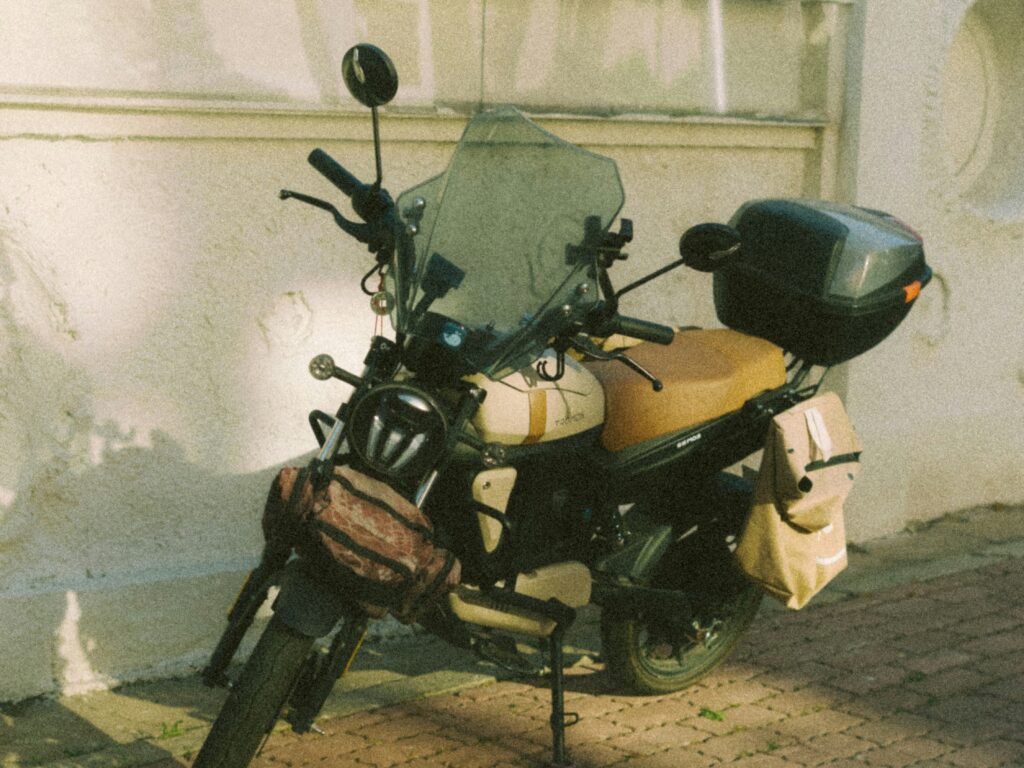
Many experienced tourers don’t run pure hard or pure soft—they mix systems. A common setup is one hard top case for valuables, documents, and electronics, with soft side bags for clothes and less critical gear. You get security where it matters and save weight elsewhere.
Another approach is seasonal. Hard panniers for multi-week summer tours when you’re carrying more gear and encountering varied weather. Soft bags for shorter shoulder-season trips when you’re packing light. The beauty of soft luggage is you can easily take it off when not needed.
Some riders keep both systems. Hard panniers stay mounted for commuting and daily security, but they swap to soft luggage for long tours to save weight and increase flexibility. Mounting hardware stays on the bike, making switches relatively easy.
Hard Panniers vs Soft Luggage – Conclusion
The hard panniers vs. soft luggage debate isn’t really about which is “better”—it’s about which better matches your riding style, budget, and the adventures you’re planning. Hard panniers offer unbeatable security and convenience for serious long-distance tourers who can justify the investment, while soft luggage provides flexibility and affordability for riders who value lightweight simplicity.
After years of touring across Europe, I’ve seen successful trips with both systems. The riders having the most fun aren’t necessarily the ones with the most expensive gear—they’re the ones whose luggage choice fits their actual needs. Start by honestly assessing your typical trips, your budget, and what matters most to you on the road.
Remember that you’re not locked into your first choice forever! Many riders start with soft luggage to learn what they actually need, then upgrade to hard panniers once they’re committed to regular touring. Others go the opposite direction, ditching heavy cases for the freedom of lightweight bags. Your perfect luggage system might even be a hybrid approach that combines the best of both worlds.
What luggage system are you currently using, and what’s been your experience? Have you switched between hard and soft over the years? Share your thoughts in the comments—your real-world experience helps other riders make better decisions!