Nothing ruins a motorcycle trip faster than a breakdown 500 kilometers from home. You’re stuck in a small town where the mechanic doesn’t speak English, parts take a week to arrive, and your carefully planned itinerary falls apart. The frustrating part? Most breakdowns on tour are completely preventable with proper pre-trip maintenance.
I learned this the hard way on an early trip when my chain snapped in rural Albania because I’d ignored the wear indicators. Three days waiting for a replacement chain in a town with one mechanic taught me that pre-trip preparation isn’t optional—it’s essential. Now I spend a full day going through my bike before any multi-day trip, and I haven’t had a mechanical failure force me off the road since.
This checklist covers everything you need to inspect, service, and potentially replace before heading out on a long motorcycle tour. Some items you can handle yourself with basic tools, while others require a professional mechanic. We’ll break it down by priority—critical safety items, important reliability checks, and nice-to-have preventive measures. Whether you’re planning a weekend trip or a multi-month adventure, this guide helps ensure your bike is ready!
Timeline: When to Do Pre-Trip Maintenance
Start early. Four to six weeks before departure, schedule any major service work if you’re approaching intervals like valve adjustments or major mile markers. Mechanics get busy, especially before riding season, and you need time to test everything after service. Two to three weeks out, complete your full inspection checklist and order any parts you’ll need to replace. One week before departure, install those new parts, make repairs, and do final adjustments.
Two to three days before leaving, do your final check of all systems and take a proper test ride with luggage mounted and loaded. This reveals handling changes and mounting issues while you’re still close to home. The day before departure, top off all fluids, set tire pressures for loaded touring, verify all lights work, and make sure your emergency kit is complete and accessible.
Why this timeline matters: parts availability can surprise you, mechanics need scheduling time, and you need to test any repairs before you’re hundreds of kilometers from home. The worst approach? Doing everything the night before departure when you have no time to fix problems you discover.
Critical Safety Items You Must Check
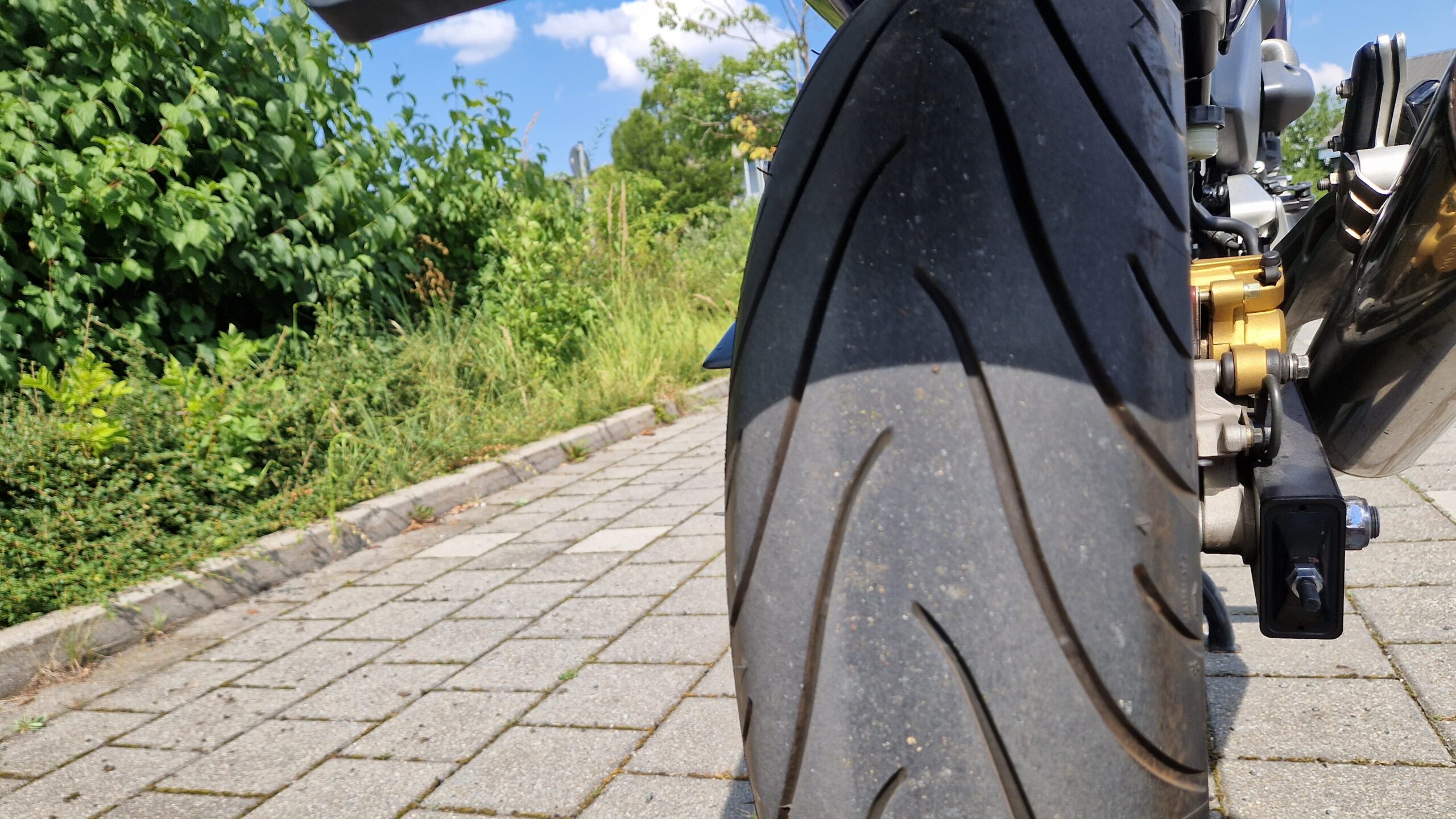
Tires deserve your first attention. Measure tread depth—legal minimum is typically 1.6mm, but for a long trip you want at least 3mm remaining. Consider that you’ll wear them down during your tour. Check the age code on the sidewall. Tires over five years old should be replaced regardless of tread depth because rubber degrades over time. Inspect sidewalls carefully for any cracks, bulges, or damage.
Set tire pressure according to your bike’s manual for loaded touring—this is usually higher than what you run for daily riding. Don’t forget to check valve stems for damage and ensure caps are present. Tire failure is both dangerous and strands you in potentially remote areas.
I once delayed replacing tires that “looked fine” despite being six years old. Two days into a Balkans trip, the rear tire developed a slow leak from sidewall degradation. I spent an entire afternoon at a small-town shop in Croatia getting it replaced at premium pricing because they had to special order the size. The tire I’d delayed replacing at home cost me three times as much on the road plus half a day of riding time. Now I replace tires proactively before any long tour.
Brakes are equally critical. Check brake pad thickness on both front and rear—if you’re within 30% of the replacement point, just replace them before leaving. Inspect brake fluid level and color. Dark or contaminated fluid should be replaced. If your brake fluid is over two years old, replace it anyway—brake fluid absorbs moisture over time and its performance degrades. Check all brake lines for cracks, bulges, or leaks. Squeeze the brake lever and pedal—they should feel firm without sponginess. Measure rotor thickness if you have gauges, or at minimum inspect for scoring or damage.
Lights and electronics matter more than you might think. European countries strictly enforce lighting regulations, and riding with a broken light can result in fines. Test your headlight on both high and low beam. Check tail light, brake light, all four turn signals, and license plate light. Verify your instrument panel and warning lights function. Test your horn. These seem minor, but a non-functioning brake light is genuinely dangerous, and a broken turn signal will get you pulled over.
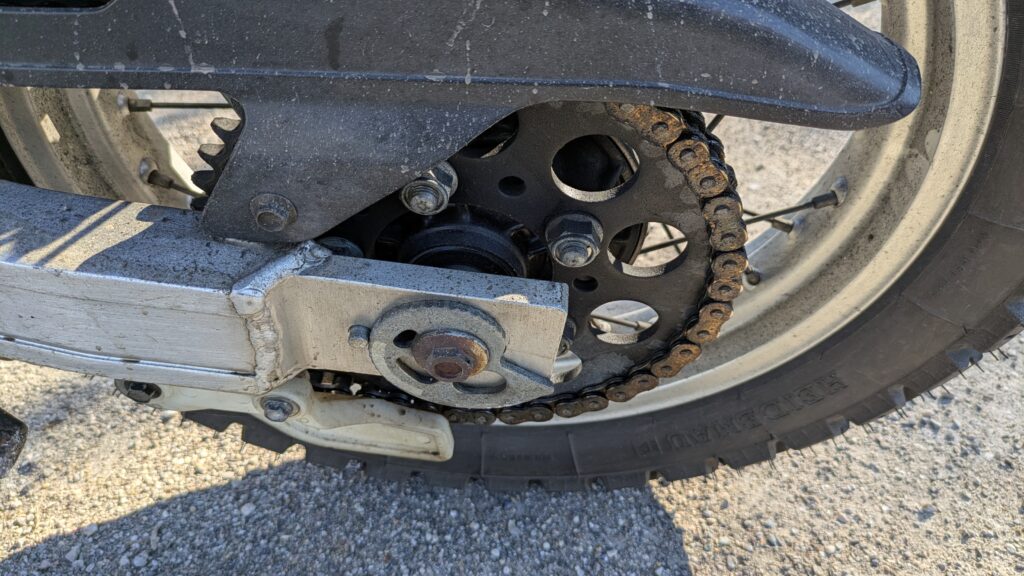
Your chain or belt drive needs careful inspection. Measure chain slack and adjust to your bike’s specifications—this changes with wear, so don’t assume it’s still correct from last time. Check chain wear indicators or measure elongation if you know how. Inspect both sprockets for worn teeth—shark fin shaped teeth mean it’s time for replacement. The chain should be clean and properly lubricated. If you have a belt drive, inspect for cracks, fraying, and proper alignment. Chain failure stranded me in Albania, as I mentioned, and I don’t recommend that experience.
Engine, Fluids, and Reliability Items
Check your engine oil when the engine is warm. Look at the level, but also inspect the oil’s condition—color, smell, and check for any metal particles. If you’re within 1,000 kilometers of your next oil change interval, just do it before the trip. Use the correct specification oil for the temperatures you’ll encounter in Europe. Replace the oil filter with the oil change. Engine failure far from home is a nightmare scenario you want to avoid at all costs.
Coolant level should be checked in the overflow reservoir when the engine is cool. Look at the coolant’s condition and color—it should be bright, not rusty or contaminated. If your coolant is over two years old, replace it. Consider a pressure test of the cooling system if you’re uncertain about its condition. Inspect all hoses by squeezing them—they should be firm and pliable, not cracked or brittle. Check radiator fins for damage and clean them if they’re dirty or blocked.
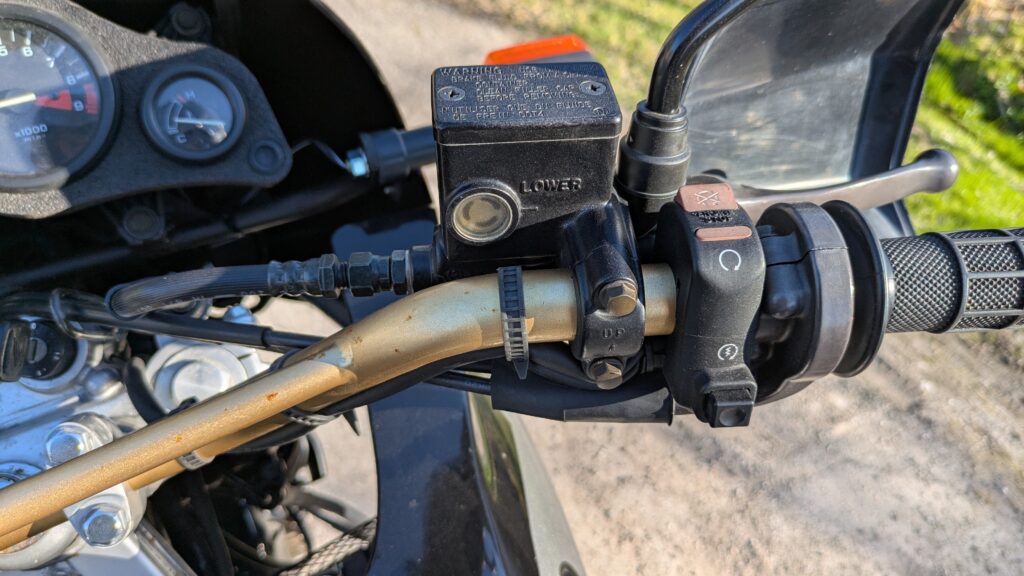
Don’t forget other fluids. Check brake fluid in both front and rear reservoirs. If you have a hydraulic clutch, check that fluid too. Inspect fork seals for leaks, and consider fork oil service if it’s old or you’re unsure of its history. Shaft drive bikes need final drive oil checked. If you have a non-sealed battery, check electrolyte levels.
Your air filter affects performance and fuel economy. Pull it out and inspect—paper filters should be replaced if dirty, while foam or oiled filters need cleaning and re-oiling. This is especially important if you’re riding dusty Balkan roads where air filters clog faster. A clean air filter improves fuel economy and prevents engine damage from contamination.
Spark plugs should be inspected for condition and proper gap. If you’re near a service interval, replace them before the trip. Make sure you’re using the correct heat range for touring. Consider carrying spare plugs on long trips—they’re small, light, and can save you if one fails.
Chassis, Suspension, and Structural Items
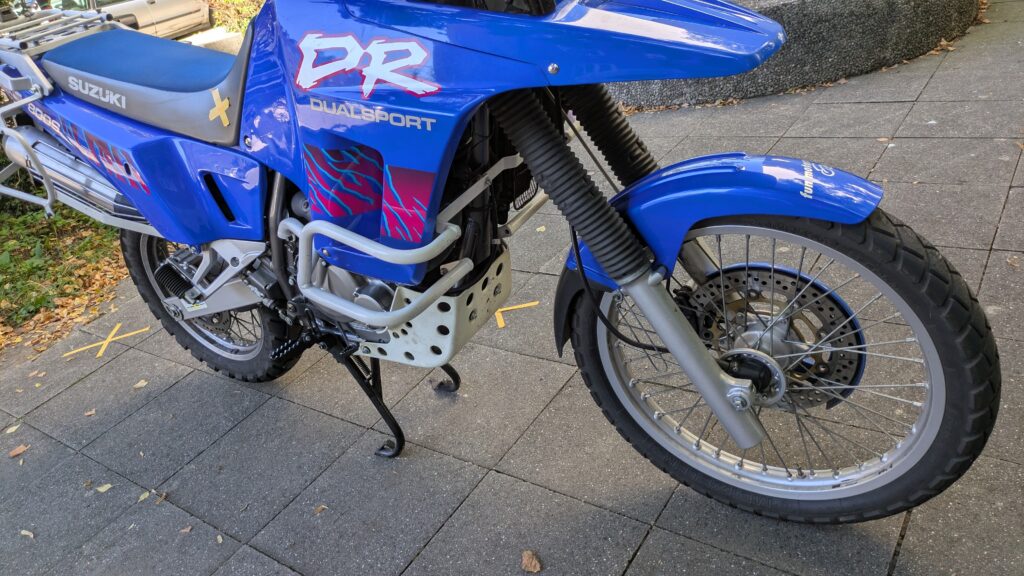
Suspension takes a beating when touring fully loaded. Check fork seals carefully for any oil leaking. Inspect your shock absorber for leaks or damage. Measure suspension sag, especially with luggage loaded—you may need to adjust preload for touring weight. If your bike has damping adjustments, consider setting them for loaded riding. Suspension problems get worse under touring loads, so address them before leaving.
Steering head bearings are critical for safety. Lift the front wheel off the ground and check for any play in the steering. The steering should move smoothly without notchiness or resistance. Check wheel bearings by lifting the bike and spinning the wheels—they should spin freely without roughness or play. Swingarm bearings or bushings should be checked for play. Inspect linkage bearings on bikes with linkage-style rear suspension.
Go through critical fasteners with a torque wrench or at minimum a visual inspection. Check engine mounts, axle bolts, suspension mounting bolts—anything critical to the bike staying together. Look for loose or missing bolts anywhere on the bike. Consider thread lock on important fasteners that tend to vibrate loose. Pay special attention to luggage mounting points since those will carry weight and vibration depending on wether you use hard or soft luggage. Check mirrors, levers, foot pegs, and controls for tightness.
Electrical System and Accessories
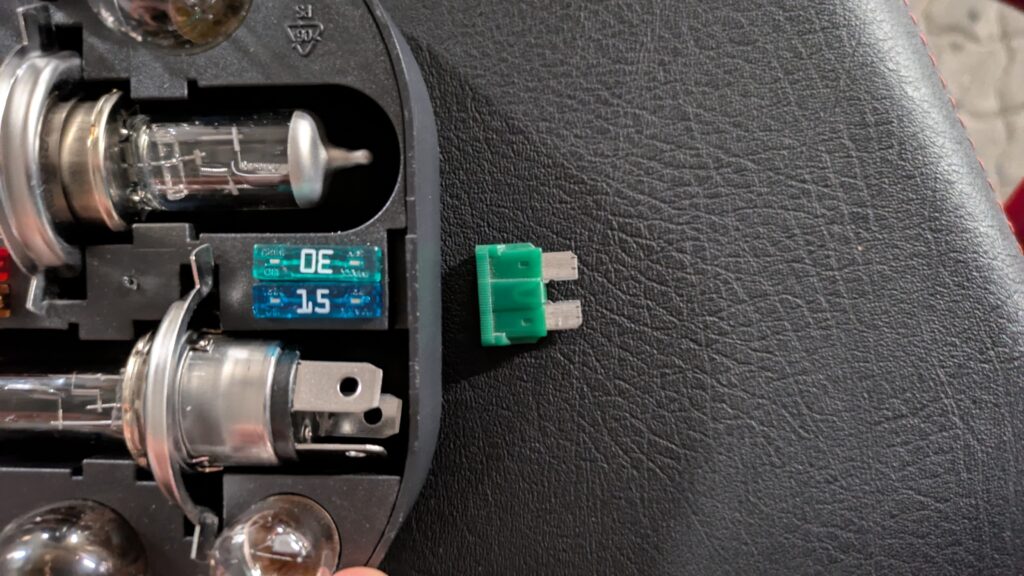
Test your battery voltage—it should read 12.6 volts or higher when fully charged. If your battery is over two years old, consider a load test to verify it’s still healthy. Clean battery terminals and ensure they’re tight. Test your charging system by running the engine at 3,000 RPM and checking voltage—you should see 13.5 to 14.5 volts. If your battery is marginal, replace it now rather than risk failure on the road. A new battery costs less than a tow truck and ruined travel day.
Inspect visible wiring for damage, rubbing, or exposure. Check connector cleanliness, especially any that are exposed to weather. Put dielectric grease on critical connections to prevent corrosion. If you’ve added accessory wiring for GPS, heated gear, or other electronics, verify all connections are secure and properly routed without rubbing or pinch points.
Test all your accessories. Make sure your GPS mount is secure and your GPS charges properly. Check USB charger function. Test heated grips if you have them. Verify auxiliary lights work correctly. Ensure your phone mount is stable and secure. These aren’t critical to getting home, but they’re annoying to troubleshoot on the road.
Test Ride and Final Checks
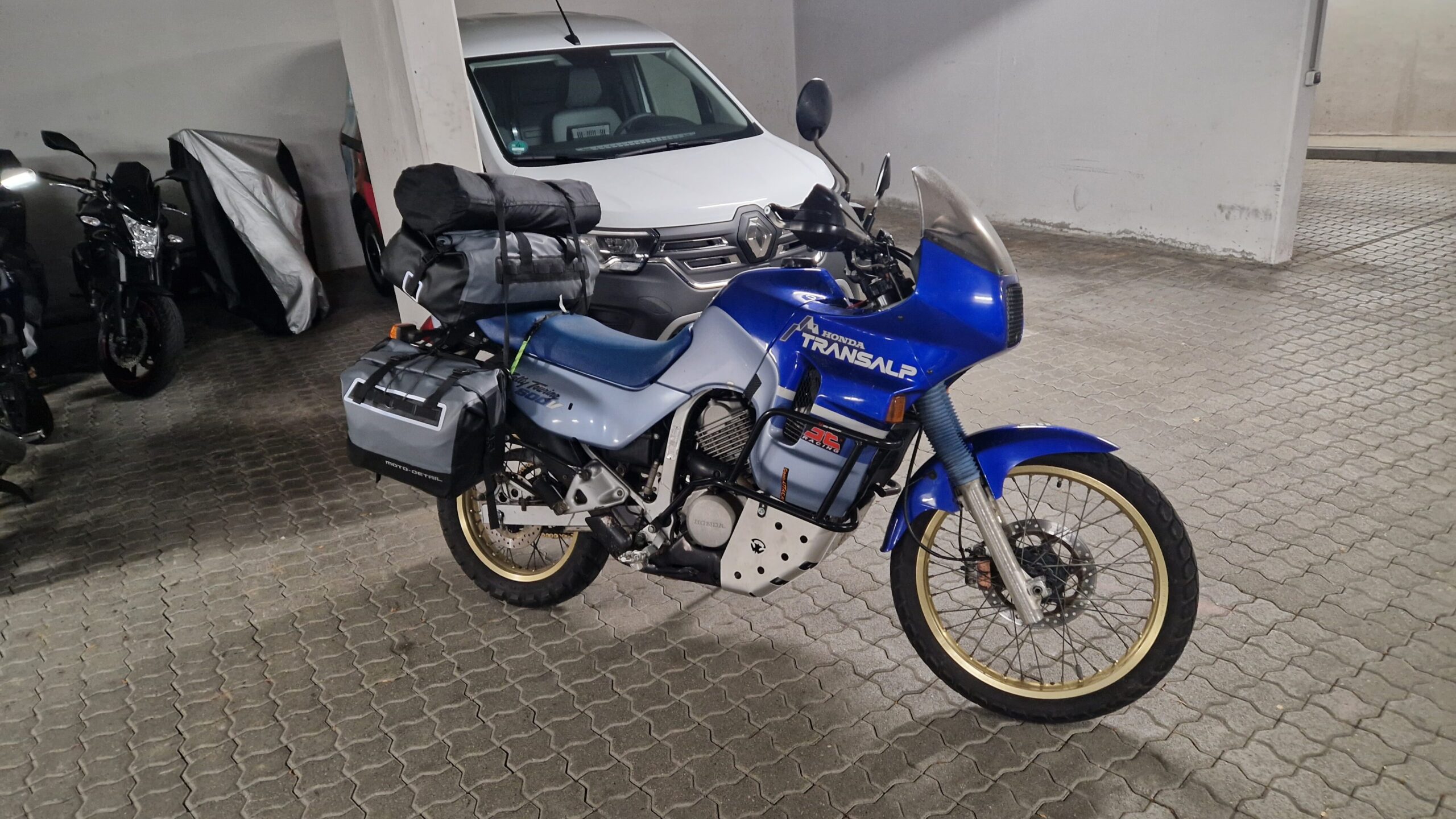
Never skip the loaded test ride. Your bike handles completely differently when carrying 20-30 kilograms of luggage. Take at least a 30-60 minute ride with everything packed as it will be on tour. Include highway speeds to test stability. Test braking with the full load—stopping distances increase significantly. Pay attention to any noise or rattling from luggage.
After the test ride, check luggage security—vibration can loosen bolts. Adjust suspension if the bike felt too soft or harsh with weight. Re-torque luggage mounting bolts after the first ride. This test ride often reveals small issues you can fix before departure rather than discovering them hundreds of kilometers from home.
The day before you leave, do a final walk-around. Top off all fluids. Set tire pressures correctly for loaded touring. Test all lights one more time. Verify clutch, throttle, and brake operation. Make sure luggage is balanced and secure. Confirm your emergency kit is complete and accessible. Organize your documents so they’re easy to find. Fill up with fuel so you start with a full tank. Clean your visor and mirrors so you’re not riding the first day with bugs and dirt from the test ride.
When to DIY vs. Seek Professional Help
You can handle chain adjustment and lubrication yourself. Fluid level checks are straightforward. Setting tire pressure requires only a gauge and pump. Basic cleaning and inspection don’t need special skills. Installing luggage and checking accessories are within most riders’ abilities.
But some things warrant professional help. Valve adjustments require special tools and knowledge. Major service intervals often involve procedures best left to trained mechanics. Brake system bleeding, suspension service, and electrical diagnostics benefit from professional expertise. If you’re uncertain about anything, get help. The peace of mind before a long trip is worth the cost. A professional mechanic can spot issues you might miss and has the tools to fix them properly.
Conclusion
A thorough pre-trip maintenance check might seem like overkill when your bike runs fine around town, but long-distance touring puts different stresses on your machine. Fully loaded weight, long hours at highway speeds, variable road conditions, and remote locations all combine to reveal any weakness in your bike’s condition. Better to discover a worn tire or loose bolt in your garage than on a mountain pass in Bosnia.
The checklist above looks long, but most items take just minutes to inspect. Set aside a full day 2-3 weeks before your trip, work through the list systematically, and address anything marginal. Yes, it means spending money on parts or service you might have put off otherwise, but it’s insurance against breakdowns that could cost far more in towing, repairs abroad, and lost travel time.
Every hour spent on pre-trip maintenance is an hour you won’t spend stranded on the roadside. Every euro spent on preventive replacement is money you won’t spend on emergency repairs in unfamiliar places. The goal isn’t just avoiding breakdowns—it’s peace of mind that lets you focus on enjoying the ride instead of worrying about mechanical issues. Check your bike, fix the problems, then ride with confidence!
What’s on your pre-trip maintenance routine? Have you learned any lessons the hard way about what to check before long tours? Share your tips in the comments to help other riders prepare their bikes!