The Balkans are one of Europe’s best-kept secrets for motorcycle travel. Stunning coastal roads along the Adriatic, dramatic mountain passes through the Dinaric Alps, ancient villages perched on hillsides, and some of the most affordable riding on the continent. But here’s the catch: timing matters enormously. Visit in August and you’ll battle cruise ship crowds on Croatia’s coast and sweltering heat in Greece. Show up in November and half the mountain passes are closed with many coastal towns shuttered for winter.
I’ve ridden through the Balkans in spring sunshine, summer heat, autumn rain, and even attempted some questionable late-season trips that taught me valuable lessons about mountain weather. The region’s Mediterranean and continental climate creates distinct seasons with different advantages and challenges. Unlike Western Europe where you can reasonably tour year-round, the Balkans have clear optimal windows and definite seasons to avoid.
This guide breaks down every month of the year across the major Balkan countries—Croatia, Slovenia, Albania, Bosnia and Herzegovina, Montenegro, and Greece. You’ll learn when to find perfect riding conditions, when to save money in shoulder season, and when to simply stay home and plan for next year with the help of our guide. Whether you’re chasing empty coastal roads or alpine adventures, understanding Balkan seasons helps you time your trip perfectly!
Understanding Balkan Climate and Geography
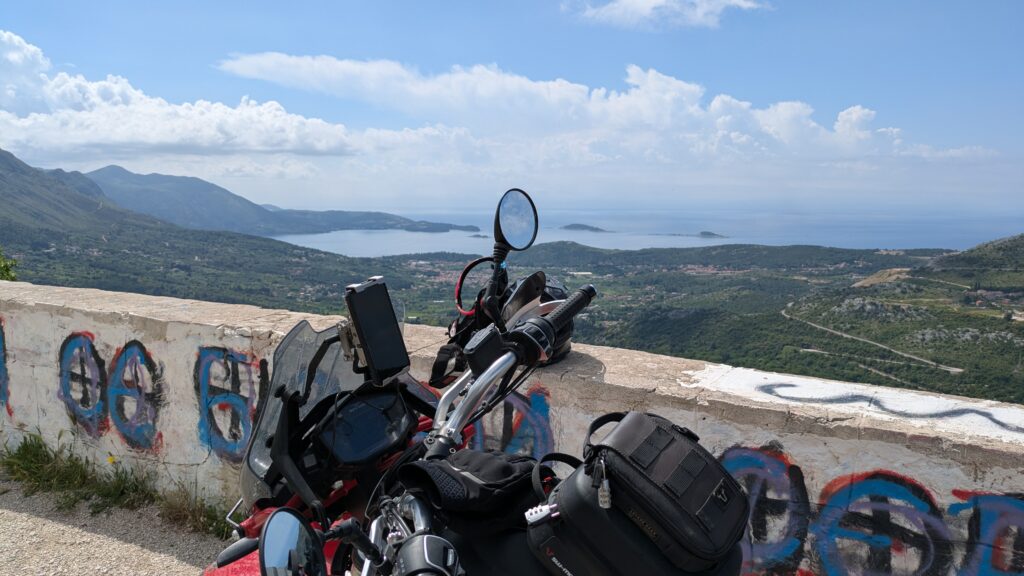
Before diving into specific months, you need to understand the region’s climate patterns. The Balkan coast enjoys a Mediterranean climate—hot, dry summers with mild, wet winters. Move inland or into the mountains, and you’re dealing with continental climate: warm summers but cold, snowy winters. This creates dramatic differences even within small areas.
Altitude plays a huge role too. You can start the day at sea level in Dubrovnik at 25°C, ride two hours inland to mountain passes at 1,500 meters, and find yourself in 10°C temperatures. The Dinaric Alps running through the region create weather barriers and micro-climates that make forecasting tricky.
Rainfall follows predictable patterns—wettest in autumn and winter, driest in summer. But “dry summer” in the mountains still means afternoon thunderstorms. Tourism seasons affect more than just crowds. Many coastal hotels, restaurants, and even gas stations in remote areas close completely from November through March. Ferry schedules to Greek islands operate seasonally, with reduced or eliminated routes in winter. Mountain passes close with first significant snow, usually November, and don’t reopen until May or June depending on elevation as discussed here.
Spring: March Through May
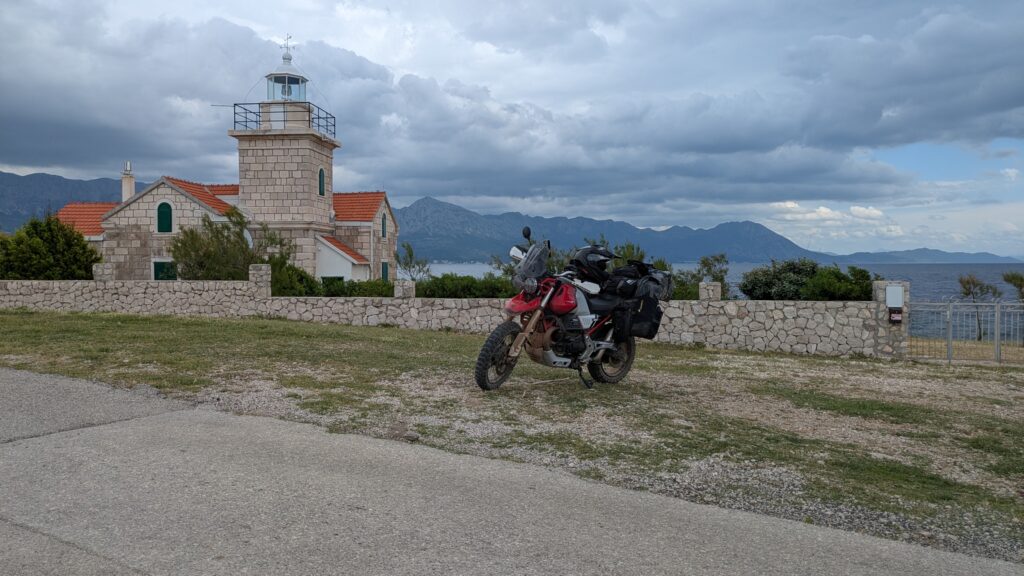
March is honestly a gamble. The weather is warming but unpredictable—expect 10-15°C on the coast and 5-10°C inland with high rainfall. Most mountain passes remain closed, though coastal roads are accessible. The upside? Virtually no crowds and rock-bottom prices. The downside? Many places are still closed for the season, and you’ll need serious rain gear. If you’re traveling in March, stick to Greece or Croatia’s coast, and keep expectations flexible.
April improves significantly. Temperatures climb to 15-20°C on the coast and 10-15°C inland. Rain decreases, though it’s still common. Lower mountain passes start opening, making inland routes accessible. Crowds remain very light—you’ll mostly encounter locals. Costs stay low, and more accommodations open for the season. Greece and Albania are particularly good choices in April, with wildflowers at peak bloom and pleasant riding temperatures. Watch for Orthodox Easter, which can fall in April some years and brings busy weekends throughout the region.
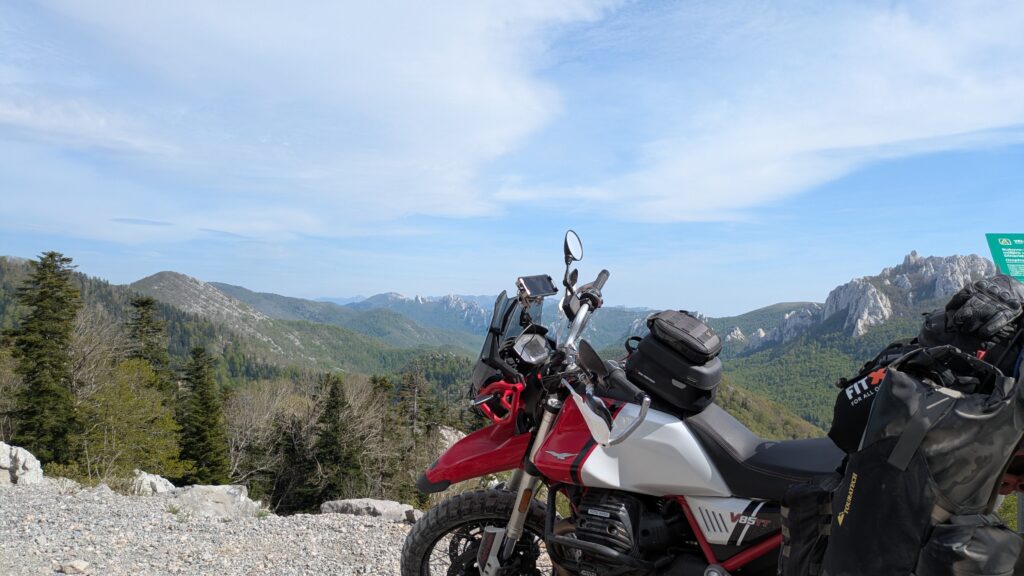
May hits the sweet spot. Weather becomes excellent with 20-25°C on the coast, 15-20°C inland, and mostly dry conditions. Most mountain passes open by late May, giving you access to the full Balkan road network. Crowds are moderate—European holidays are starting but haven’t reached overwhelming levels. Prices remain reasonable before peak season kicks in.
I planned a Balkans loop one May and the conditions were nearly perfect. Warm days, cool evenings, roads mostly empty except in major cities. The coastal roads along Montenegro and Albania had stunning views without the traffic I’d experienced in previous summer trips. Mountain passes were freshly opened with patches of snow still visible on peaks, creating dramatic scenery. Hotels were happy to have business and several owners gave recommendations for routes and local restaurants. The only challenge was occasional afternoon rain in mountain areas, but it never lasted long. May taught me that shoulder season often beats peak season for actual riding enjoyment.
Long daylight hours in May (14+ hours) make covering distance easy. Sea temperatures are warming but still cool for swimming at 17-20°C. Every Balkan country works well in May—it’s genuinely the best all-around month if your schedule allows.
Summer: June Through August
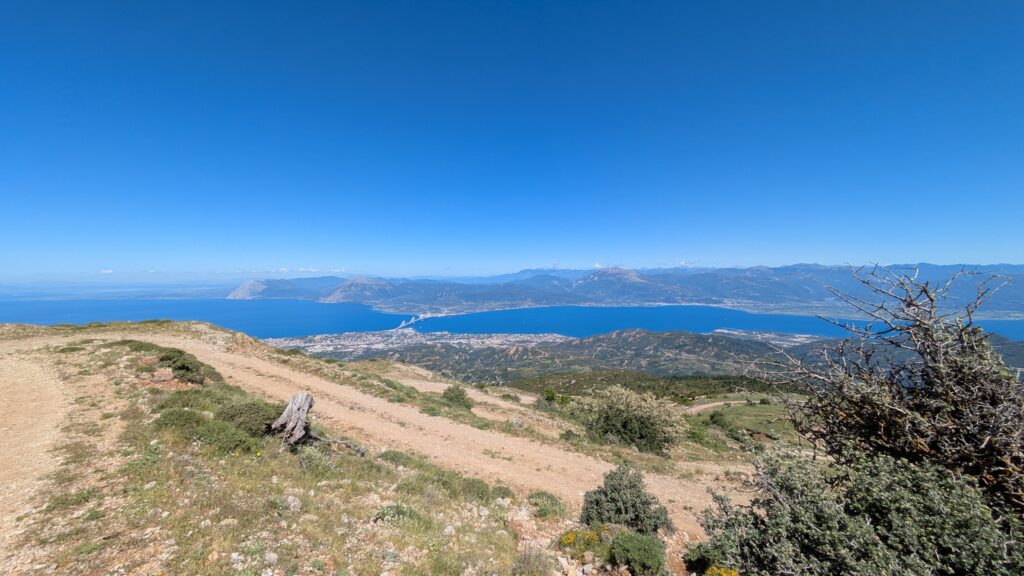
June delivers peak riding conditions with warm, sunny weather—25-30°C on the coast and 20-25°C inland. Rainfall drops to very low levels, making it the driest month in many areas. All mountain passes are open with perfect conditions. Crowds are building as European school holidays begin late in the month, but it’s not yet overwhelming. Costs rise toward peak levels, so booking accommodation ahead becomes important as shown in our article about travel budget.
Sea temperatures hit perfect swimming range at 22-24°C. Mountain riding is excellent with stable high-altitude weather. If you want guaranteed good weather and don’t mind paying a bit more, June works beautifully. Montenegro, Bosnia, and Slovenia offer stunning mountain riding, while all coastal areas provide excellent conditions.
July brings high season heat. Expect 28-35°C on the coast and 25-30°C inland with relentless sunshine. Precipitation is almost non-existent—some areas experience extreme drought. All roads are open, but the heat makes midday riding genuinely challenging. Crowds peak, especially on Croatia’s Dalmatian coast and popular Greek islands. Prices hit yearly maximums.
Honestly? July is only worth considering if work or family constraints force it. The coastal congestion in Croatia can be frustrating—traffic jams, packed beaches, expensive accommodations. Island ferries require advance booking, and you might wait hours for space. If you must ride in July, adjust your strategy. Start riding at dawn (6 AM) when temperatures are reasonable. Take a long siesta from noon to 4 PM when heat becomes dangerous. Resume riding in the evening. Albania, Bosnia, and Montenegro’s mountain regions stay cooler and less crowded than coastal areas.
August is peak everything—hottest weather (30-38°C coast, 27-32°C inland), maximum crowds, highest prices. Precipitation is essentially zero with high fire risk in many regions. Roads are all open, but afternoon riding in extreme heat is exhausting. Most Europeans take August vacation, so accommodations and roads fill completely.
I attempted an August coastal ride once and learned my lesson. By 11 AM, the heat radiating off the pavement was overwhelming even with vented gear. Hydration became a constant concern—I was drinking 4+ liters daily and still felt dehydrated. The Croatian coast was bumper-to-bumper traffic through every town. Hotel prices were double what I’d paid in June. Beach parking lots were full by 9 AM. After three days, I redirected to Bosnia’s mountains where elevations kept temperatures 10°C cooler and crowds disappeared. August taught me that sometimes the “best weather” on paper creates the worst actual riding conditions.
If August is your only option, head to higher elevations. Northern Slovenia, mountain regions of Bosnia and Montenegro, and Albanian highlands offer relief from coastal chaos. But honestly, if you can choose your timing, pick other months.
Autumn: September Through November
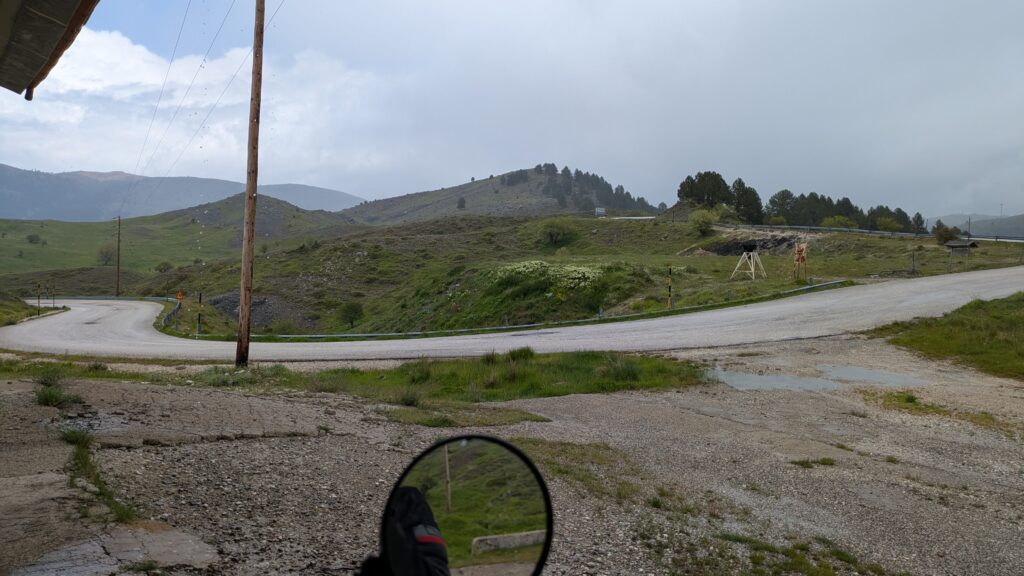
September returns to sweet spot territory. Temperatures drop to 25-28°C on the coast and 20-25°C inland—still warm but less intense than summer. Precipitation increases slightly but remains mostly dry early in the month. All roads stay open through mid-September, with mountain passes closing late in the month as first snows arrive.
The magic happens after the first week. European schools return to session, and crowds drop dramatically. Prices fall from peak levels with good deals reappearing. Sea temperatures remain warm at 23-25°C, perfect for swimming after long riding days. September rivals May as one of the best overall months for Balkan touring. All countries work well in September, though timing matters—first two weeks are generally better than the last two when autumn storms can roll in.
October brings shoulder season conditions. Cooling temperatures (18-23°C coast, 15-20°C inland) and increasing rainfall mark the transition to off-season. Mountain passes close, limiting you to coastal and lower-elevation routes. Crowds become minimal—you’re back to seeing mostly locals. Costs drop significantly with many places offering end-of-season deals.
If you’re comfortable with rain and want budget riding, October works for coastal focus [link: Wild Camping Laws in Europe]. Autumn colors in mountain regions are beautiful. Greece, Albania, and coastal Croatia remain decent options. Avoid mountain regions, Slovenia, and Bosnia highlands where weather turns genuinely poor. The risk factor is autumn storms, which can be severe on the coast with high winds and heavy rain.
November marks the true off-season. Cool, wet conditions (12-18°C coast, 8-12°C inland) and frequent rain systems make riding unpleasant. Most mountain passes are closed. Coastal roads remain open but wet and often windy. Crowds disappear because many tourist facilities close for winter. Costs are very low where places remain open, but availability is limited.
Ferry schedules to islands are reduced or stopped completely. Many hotels, restaurants, and even some gas stations in rural areas shut down. Unless you’re an extremely dedicated budget traveler willing to deal with closures and poor conditions, skip November. Use the time for planning next year’s trip instead.
Winter: Skip It and Plan Ahead
December through February is winter break from Balkan motorcycle touring. Coastal temperatures drop to 8-15°C with inland areas at 0-8°C and freezing common in mountains. High precipitation brings snow to mountains and northern regions. Mountain passes are closed, and some coastal routes face storm closures. Tourism is non-existent.
Most motorcycle-relevant businesses close. The few that remain open offer irrelevant pricing since you shouldn’t be touring anyway. Greece occasionally has warm spells that might theoretically allow coastal riding, but limited services and poor conditions make it impractical. Use winter for bike maintenance, route planning [link: How to Plan a Motorcycle Trip], and dreaming about spring trips.
Country-Specific Timing Recommendations
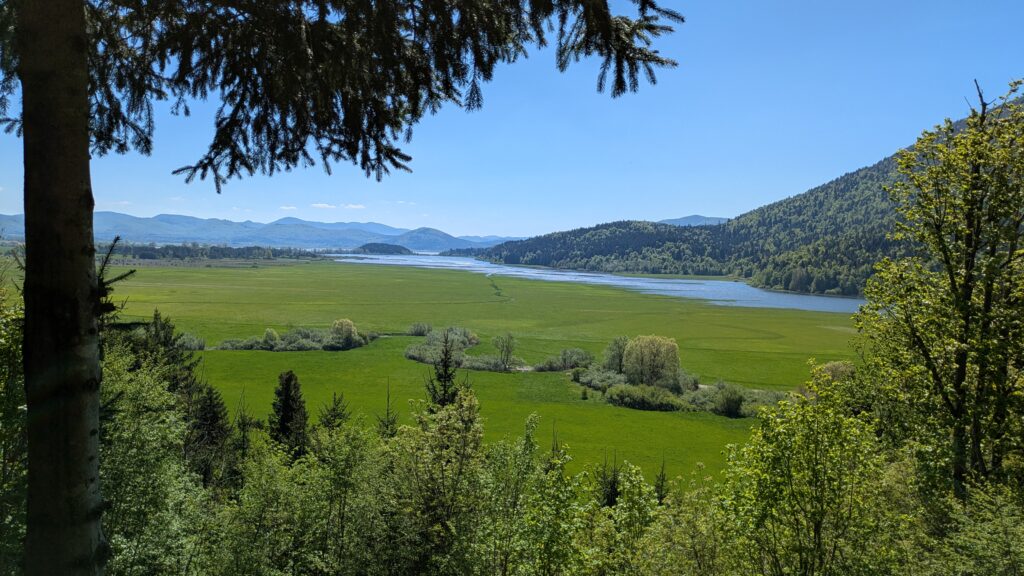
Croatia shines in May, June, and September. Avoid July-August when the coast becomes overwhelmed with cruise ship tourists and prices skyrocket. Shoulder season (April and October) offers value if you stick to coastal areas. Island ferry access is best June through September with reduced schedules outside those months. Plitvice Lakes is most beautiful in May when waterfalls are full and September when crowds thin.
Slovenia works best in May, June, and September. Skip December-March with winter conditions and July-August when it gets hot and crowded. Mountain passes typically open late May and close in October. The Julian Alps show peak beauty in June and September. Lake Bled looks gorgeous year-round but riding access is practical May-September.
Albania has a longer season—May, June, September, and October all work well. Avoid July-August extreme heat and November-March heavy rain. The coastal advantage here is less crowding than Croatia even in peak months, and the Albanian Riviera extends your season possibilities. Mountain roads are accessible May-October. Budget travelers appreciate that Albania offers great value even during peak months [link: How to Create Your Motorcycle Trip Budget].
Bosnia and Herzegovina is best in May, June, and September. Winter months (December-February) bring snow and cold while July-August creates very hot conditions inland. The Sarajevo mountain region is accessible May-October. Mostar area gets extremely hot in summer—May, June, and September are more pleasant. Many tourist areas go quiet November-March.
Montenegro peaks in May, June, and September. The coast gets crowded and very hot in July-August, while November-March sees limited services. The Bay of Kotor is beautiful May-October but packed in peak summer. Mountain interior is best June-September. A notable characteristic is the temperature difference between coast and mountains—often 10°C or more on the same day.
Greece has the longest riding season in the Balkans. May, June, September, and October all provide excellent conditions. August is unbearably hot, while December-February sees many islands completely shut down. Island hopping works best May-June and September when you have good weather and functional ferry schedules. Mainland mountain passes are rideable June-September. You can potentially extend to March-November, making Greece the most flexible Balkan destination for timing.
Budget Considerations by Season
Timing dramatically affects your budget. Peak season (July-August) sees accommodation costs at 2-3 times shoulder season prices. A hotel room that costs 40 € in May might be 100 € in August. Shoulder season (May, June, September) offers moderate prices with good value—you pay more than off-season but get reliable services and weather.
Off-season (October-April) provides the cheapest prices but with major trade-offs. Many places close entirely, and those that remain open often have limited services. Fuel costs stay consistent year-round, with Albania offering the cheapest gas in the region. Ferry prices increase in summer, particularly in Croatia where demand is high. Restaurant prices in tourist areas rise noticeably in peak season—the same meal costs more in August than May.
Camping costs decrease outside July-August at established campgrounds. Wild camping tolerance actually increases outside peak tourist season when locals are less concerned about overcrowding [link: Wild Camping Laws in Europe]. Overall, you can save 40-50% on trip costs by traveling in May versus August while getting better riding conditions. Budget-conscious riders should absolutely target shoulder season.
Building Your Balkan Trip Timeline
For a two-week trip, May or September timing works best. Focus on one or two countries maximum—trying to see everything creates rushed riding without time to enjoy places. A Croatia plus Bosnia combination or Albania plus Montenegro pairing works well in this timeframe. If you want to find out how to calculate your daily mileage look here!
Three to four week trips should target June or September for best conditions. You can cover three to four countries comfortably. Consider Slovenia to Croatia to Montenegro to Albania as a logical flow, or start in Greece and work north. This duration lets you mix coastal riding with mountain passes without constant rushing.
Extended trips of six weeks or more can run May through September. You have time to cover all Balkans countries if desired. One strategy is starting north (Slovenia) in May and working south to Greece by July, taking advantage of each region’s optimal timing. Alternatively, start south (Greece) in April when it’s pleasant there and work north as summer arrives, finishing in Slovenia by September.
Regardless of duration, build 2-3 buffer days into your itinerary for weather delays or mechanical issues. Don’t over-plan daily distances, especially in summer heat when midday breaks become necessary. Have both coastal and mountain route options prepared so bad weather days don’t derail your entire plan. Flexibility makes the difference between frustration and adventure when conditions change.
Conclusion
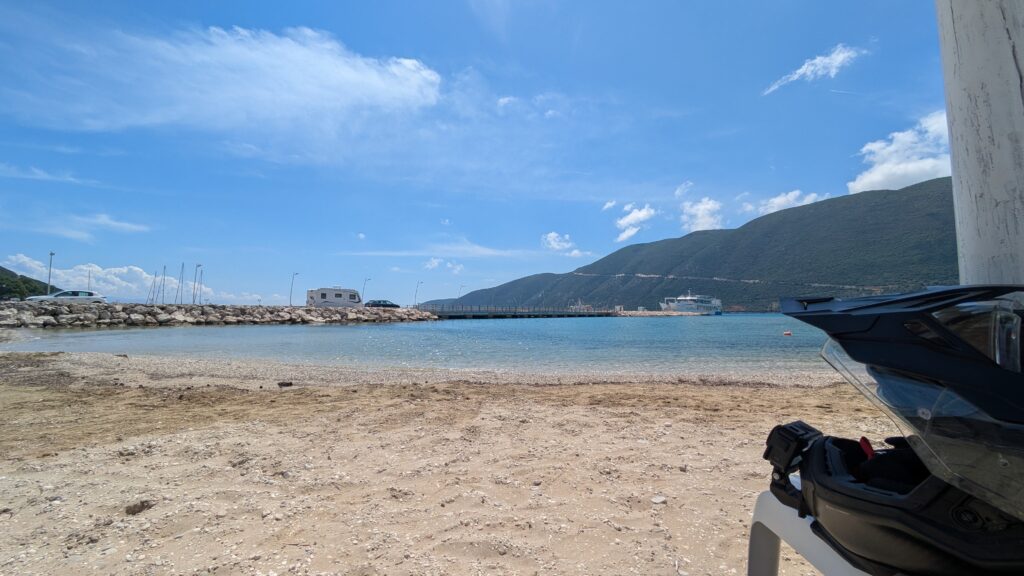
The Balkans offer incredible motorcycle touring, but timing makes the difference between a dream trip and a challenging slog through crowds, heat, or rain. May, June, and September stand out as the sweet spot months—excellent weather, reasonable crowds, and all routes accessible. July and August bring guaranteed sunshine but also extreme heat and peak tourism that can diminish the experience. Spring (April) and autumn (October) offer budget opportunities for riders willing to accept weather gambles and limited services.
Your ideal timing depends on your priorities. Want empty roads and rock-bottom prices? Brave April or October. Need guaranteed sun and don’t mind crowds? June works well. Seeking the perfect balance? May and September deliver consistently. Want to avoid? Skip July-August on the coast and December-March everywhere.
The beauty of the Balkans is that even in peak season, you can escape crowds by heading inland or to less-touristy countries like Albania or Bosnia. Unlike Western Europe where summer is often ideal, the Balkans reward shoulder-season travelers with better conditions and experiences. Plan smart, time it right, and you’ll discover why this region is becoming Europe’s next great motorcycle destination.
Have you ridden the Balkans? Which month worked best for you, and what surprised you about the timing? Share your seasonal experiences in the comments to help fellow riders plan their adventures!